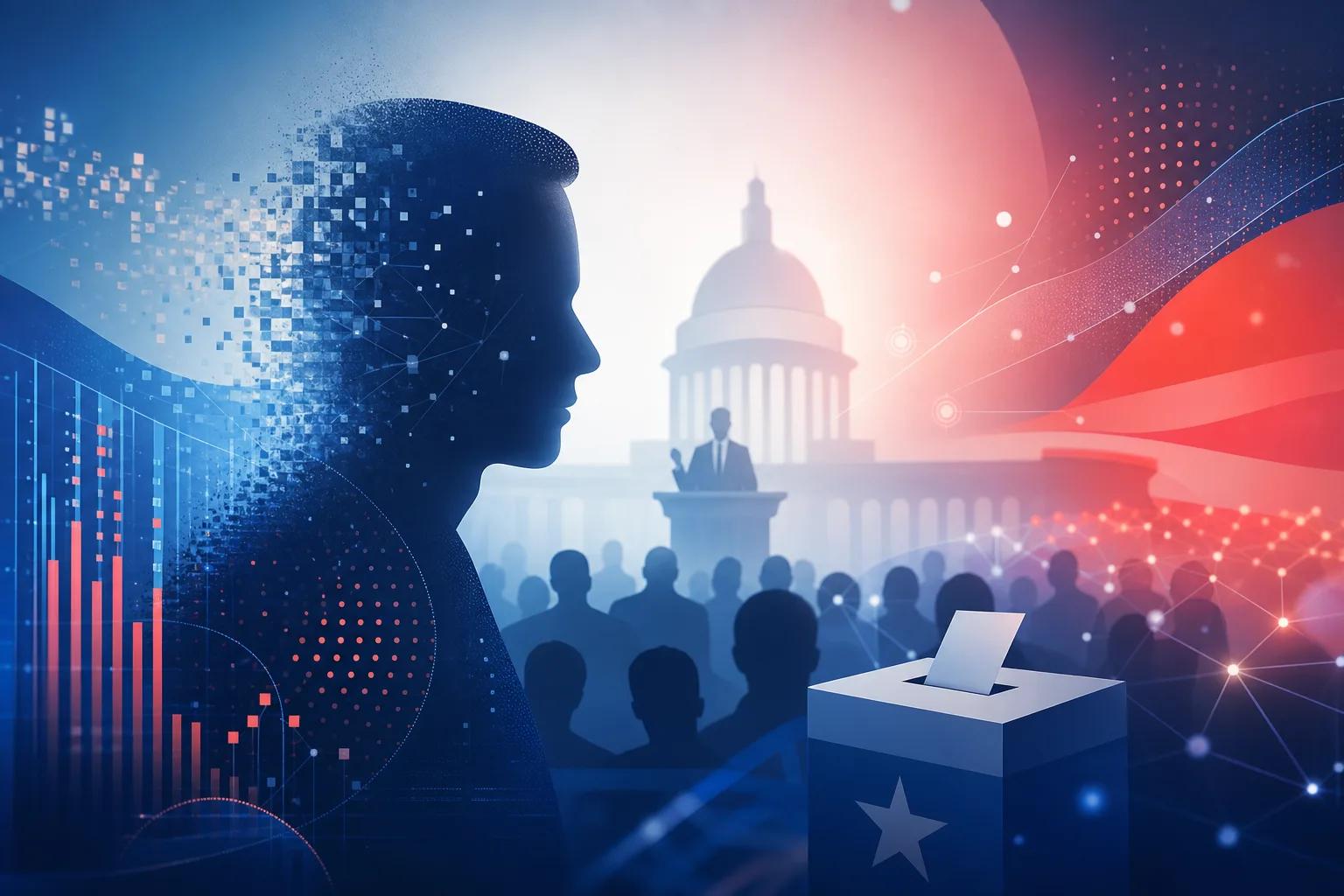
In the fast-evolving landscape of political campaigning, leveraging technology is no longer optional—it's essential. With the advent of AI video strategies, political campaigns can now reach and engage their constituents in ways previously unimaginable. As we dive into 2026, understanding how to harness these tools effectively can make or break a campaign's success.
AI video technologies offer a dynamic approach to political messaging, allowing campaigns to personalize content and deliver it at scale. Whether you're looking to enhance voter engagement or streamline campaign operations, AI provides innovative solutions tailored to the demands of modern political arenas. In this article, we'll explore strategic applications of AI video in political campaigns, highlighting best practices and cutting-edge tools.
Why AI Video is Crucial for Political Campaigns
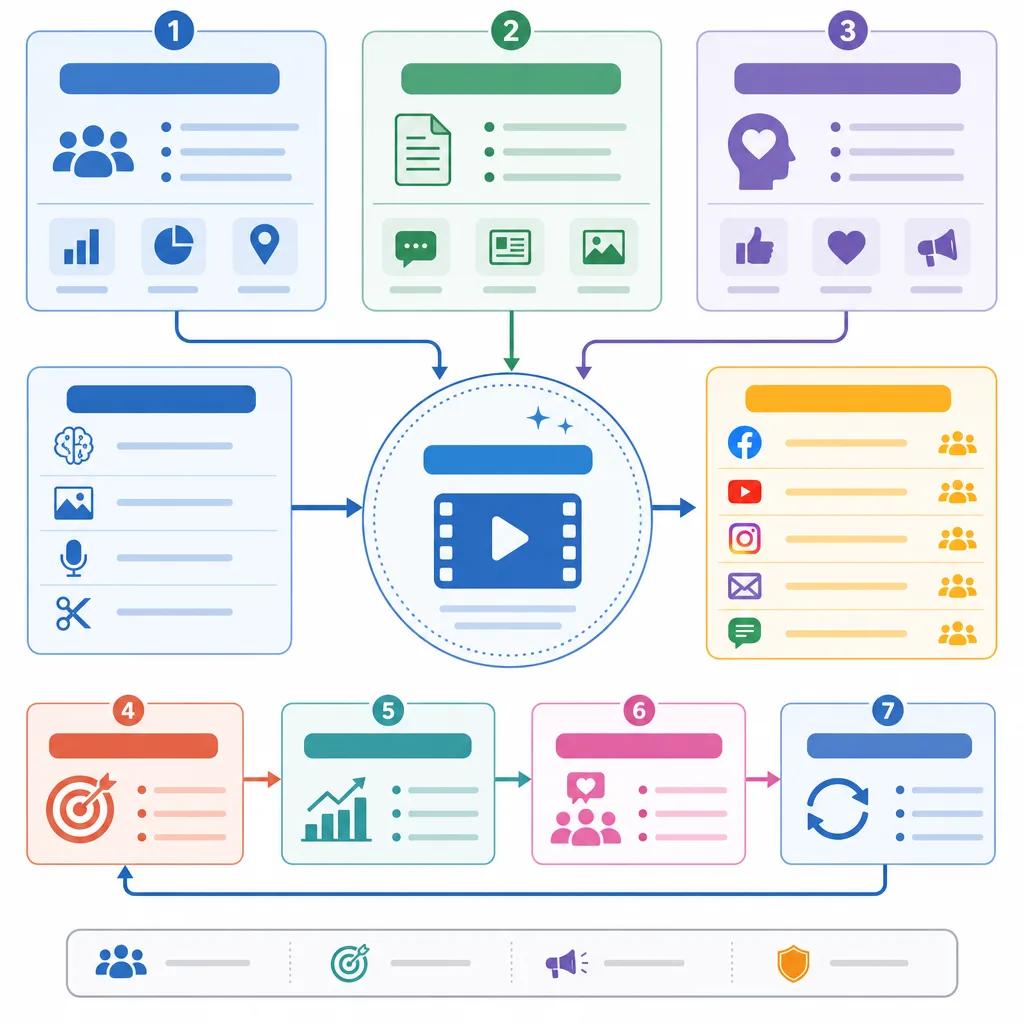
AI video strategies are transforming how political campaigns communicate with voters. By using AI, campaigns can create personalized video content that resonates with specific voter demographics. This personalization ensures messages are more impactful and relevant. AI tools can analyze voter data to predict which messages will drive engagement, helping campaigns optimize their outreach efforts.
Moreover, AI video tools allow for faster content generation, reducing the time and resources needed for video production. This efficiency enables campaigns to respond quickly to political developments and voter issues. For instance, if a new policy discussion arises, an AI-powered tool can help produce a relevant video within hours, ensuring the campaign stays at the forefront of the conversation.
Implementing AI Video Strategies Effectively
To effectively implement AI video strategies, campaigns must first define their goals and target audience. Understanding these elements helps in selecting the right AI tools and approaches. For example, if a campaign's goal is to increase youth voter turnout, the content must be engaging and optimized for platforms popular among younger demographics, such as TikTok and Instagram.
AI can also be used to analyze social media trends and voter sentiment, providing insights that guide content creation. This analytical capability allows campaigns to tailor their messages, making them more compelling and relevant. Furthermore, tools such as link('voice cloning AI', '/blog/ai-video-voice-cloning-guide-2026') can be used to maintain consistency in messaging while reducing the workload on campaign staff.
Choosing the Right AI Tools for Your Campaign
Selecting the right AI tools is crucial for maximizing the impact of video strategies. There are numerous AI platforms available, each offering unique features. Campaigns should prioritize tools that offer robust analytics and easy integration with existing campaign infrastructure. An example is Vexub, which provides user-friendly interfaces and powerful analytics capabilities.
Additionally, campaigns should consider AI tools that offer multilingual support to reach diverse voter bases. This feature is particularly important in regions with significant non-English speaking populations. By leveraging these tools, campaigns can ensure their messages are accessible and engaging for all constituents.
Leveraging AI for Real-Time Campaign Adjustments
One of the significant advantages of AI video strategies is the ability to make real-time adjustments based on voter feedback and engagement metrics. AI tools can provide detailed insights into how voters are interacting with campaign content, allowing for immediate tweaks to improve effectiveness.
For example, if a particular message is underperforming, AI analytics can identify the issue, whether it's the tone, length, or platform used. Campaigns can then adjust their strategy, ensuring resources are focused on the most effective tactics. This agility is crucial in the fast-paced world of political campaigns, where timely responses can greatly influence voter perceptions.
Create videos like this with AI
Script, voiceover, images and subtitles — automated in minutes.
Integrating AI Video with Traditional Campaign Strategies
While AI video strategies offer modern solutions, integrating them with traditional campaign methods can enhance overall effectiveness. Combining AI-generated content with traditional media such as TV and radio can amplify reach. AI can also optimize traditional strategies by providing data-driven insights into voter behavior.
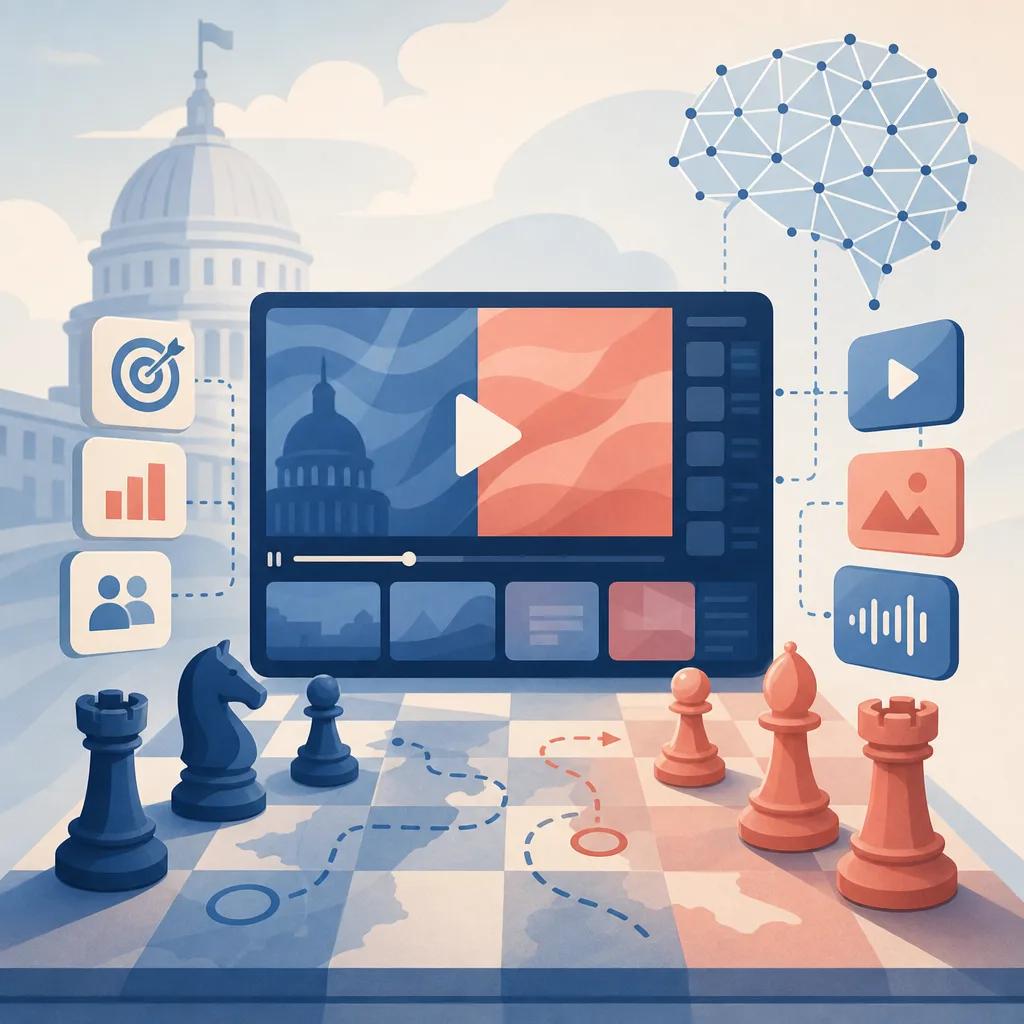
For example, a campaign could use AI to script video content that complements a radio ad campaign, ensuring consistent messaging across channels. This synergy between AI and traditional methods can broaden a campaign's appeal and effectiveness. Learn more about optimizing AI videos for different platforms in our article on link('how to optimize AI videos for SEO', '/blog/how-to-optimize-ai-videos-for-seo').
The Future of AI in Political Campaigns
As we look ahead, the role of AI in political campaigns is set to expand even further. With advancements in AI technology, campaigns will be able to create even more sophisticated and personalized content. This evolution will likely lead to AI becoming a standard tool in the political toolkit.
Moreover, the ethical considerations surrounding AI use in politics will continue to be a topic of discussion. Ensuring transparency and fairness in AI-generated content will be crucial. Campaigns must stay informed about these issues and adapt their strategies accordingly. For insights into the ethical implications of AI in video content, check out our article on link('ethics of AI-generated video content', '/blog/ethics-ai-generated-video-content').
In conclusion, AI video strategies offer powerful tools for political campaigns to connect with constituents effectively. By staying ahead of the technology curve and integrating AI with traditional methods, campaigns can enhance their outreach and influence in 2026 and beyond.