
Introduction to AI in Storytelling
In 2026, the landscape of storytelling has dramatically evolved with the incorporation of AI video techniques. These innovative methods are not just enhancing the way stories are told but are also transforming the viewer's experience by making it more immersive and personalized. As a content creator, leveraging these tools can set your work apart, ensuring it resonates deeply with your audience.
Understanding how to effectively utilize AI in your video storytelling can be a game-changer. Whether you're crafting a brand narrative or creating educational content, AI offers tools that help you tell your story in more engaging and compelling ways. Let's explore how you can master these techniques to captivate your audience.
The Role of AI in Crafting Narratives
AI plays a crucial role in developing engaging narratives by analyzing viewer preferences and feedback to tailor stories that meet audience expectations. With AI, you can automatically edit videos to highlight key moments, adjust pacing, and even personalize stories for different segments of your audience.
For instance, AI can analyze viewer data to determine which parts of a video are most engaging and then suggest edits to emphasize these points. Additionally, AI tools like those offered by Vexub enable creators to experiment with different storytelling formats seamlessly.
Integrating AI for Visual Storytelling
Visual storytelling is at the heart of video content, and AI enhances it by offering tools for dynamic visual effects and seamless transitions. AI algorithms can suggest visual elements that enhance the narrative, such as adding relevant graphics or animations that align with the story's mood.
Using AI, creators can automate the process of adding subtitles, translating content, and even altering the visual style of videos. This is particularly useful for reaching a global audience with tailored content. By using platforms like Vexub, you can easily integrate these elements into your projects.
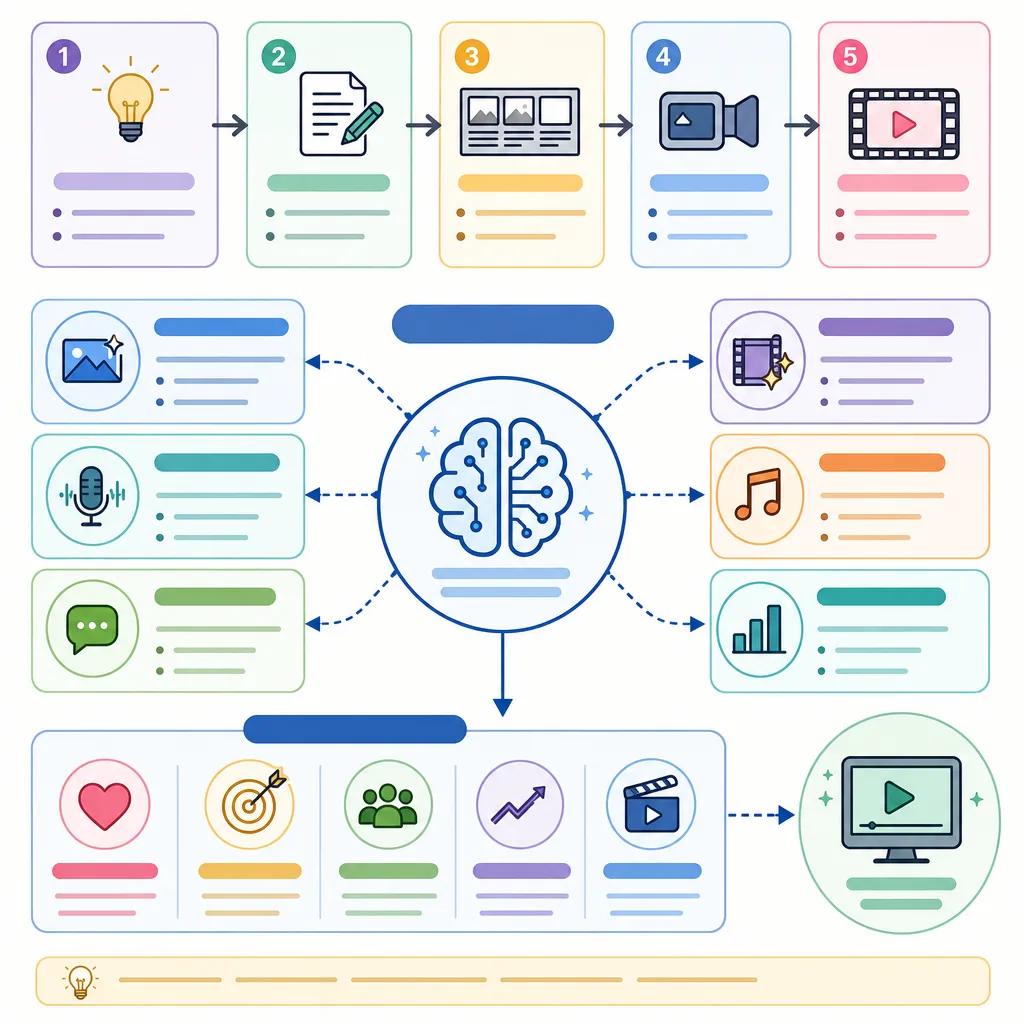
Enhancing Emotional Engagement
Emotional engagement is key to effective storytelling, and AI can significantly enhance this aspect by analyzing viewer reactions and adapting content accordingly. AI can track viewer emotions in real time, allowing creators to adjust the narrative flow to maintain high levels of engagement.
For example, if a viewer seems disinterested during a particular scene, AI can suggest edits or alternative scenes that might capture their interest better. This adaptability ensures that your story maintains its emotional impact throughout.
Real-Time Feedback and Iteration
One of the most powerful aspects of AI in storytelling is the ability to receive real-time feedback and iterate on your content. By analyzing data from viewer interactions, AI provides insights into what works and what doesn't, allowing you to refine your story continuously.
Platforms like Vexub offer tools to gather and analyze this feedback, helping creators improve their content iteratively. This approach not only enhances the storytelling process but also ensures that your content remains relevant and impactful.
Create videos like this with AI
Script, voiceover, images and subtitles — automated in minutes.
Creating Personalized Video Experiences
Personalization is a significant trend in content creation, and AI is at the forefront of this movement. By leveraging AI, you can create personalized video experiences that speak directly to individual viewers, enhancing their connection to the content.
AI tools can analyze viewer data to tailor content based on preferences, viewing history, and even cultural context. This level of personalization ensures that each viewer receives a unique experience, increasing both engagement and retention.

Best Practices for AI-Driven Storytelling
To make the most out of AI in storytelling, it's important to follow certain best practices. First, always start with a clear narrative goal—know what you want to achieve with your story. Use AI tools to enhance but not overshadow this goal.
It's also crucial to maintain a balance between automation and creativity. While AI can handle many technical aspects, the creative vision should always be human-driven. Use AI to handle repetitive tasks, allowing you to focus on the creative aspects.
Conclusion: Embracing the Future of Storytelling
AI video techniques are revolutionizing the way stories are told, offering unprecedented opportunities for creativity and engagement. By integrating AI into your storytelling process, you can craft narratives that are not only visually stunning but also emotionally resonant.
As we move further into 2026, the potential of AI in storytelling continues to expand. Whether you're creating content for entertainment, education, or marketing, embracing AI tools like those offered by Vexub can help you stay ahead in the ever-evolving digital landscape.