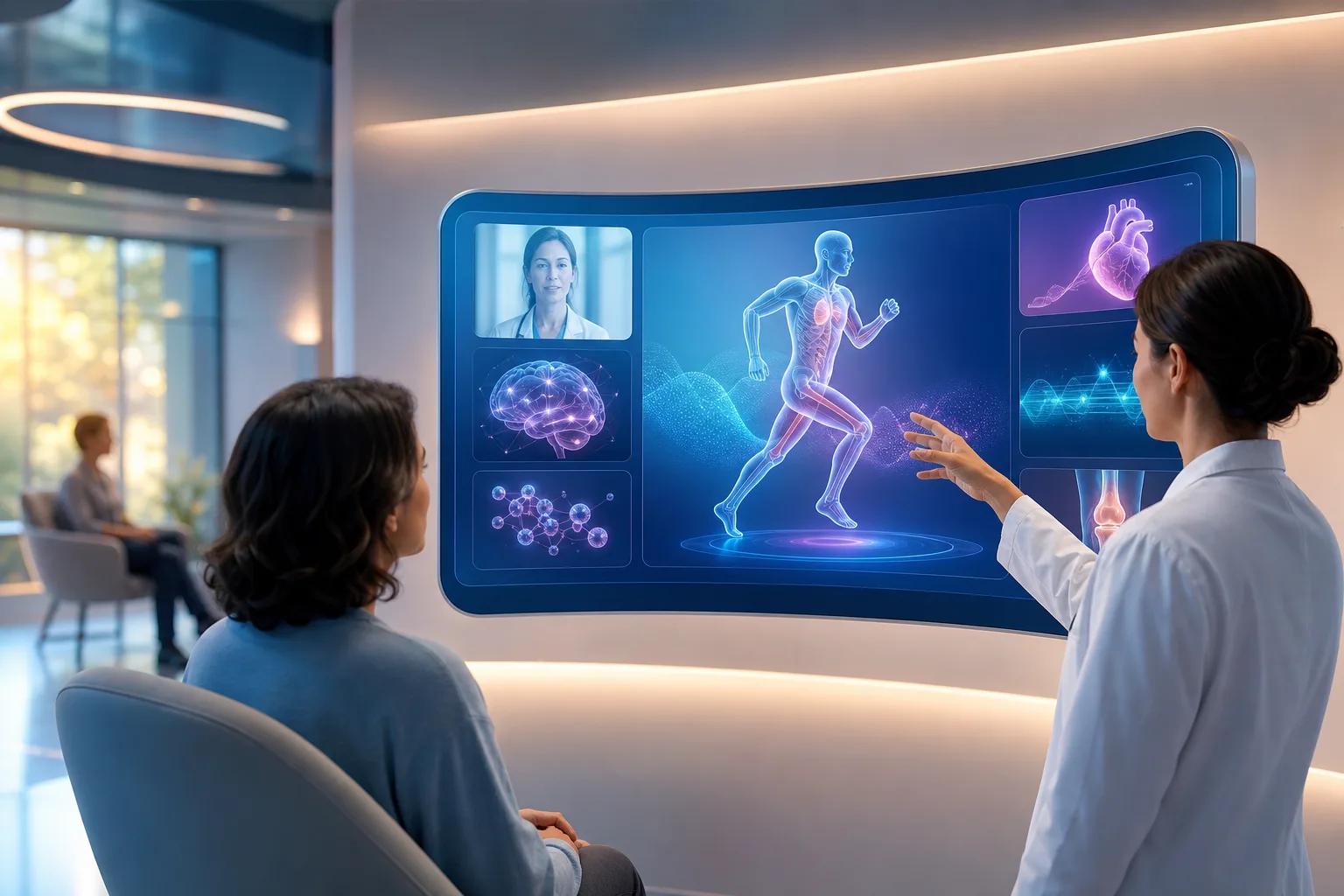
Healthcare professionals increasingly rely on digital tools to convey complex medical information effectively. With the rise of AI video tools, content creators in healthcare can now produce engaging educational videos tailored to patient needs.
In 2026, creating high-quality medical videos is more accessible than ever, thanks to AI advancements. These tools offer innovative ways to educate patients and improve understanding of medical procedures and health management.
Why AI Video Tools Matter in Healthcare
AI video tools are transforming the healthcare industry by enabling professionals to create personalized and comprehensive educational content. These tools help in breaking down complex medical topics into understandable visuals, enhancing patient engagement and comprehension.
By using AI, healthcare providers can ensure that the information shared is accurate and consistent across different platforms. This technological shift is crucial for maintaining patient trust and delivering high-quality care.
Top AI Video Tools for Healthcare Professionals
Choosing the right AI video tool can drastically impact the quality of educational videos produced. Here are some of the leading tools that healthcare content creators are utilizing in 2026:
Vexub: Known for its intuitive interface and robust AI capabilities, Vexub allows creators to easily produce videos that are both informative and engaging.
RemakeIt: Offers customizable templates specifically designed for healthcare professionals, making video creation efficient and effective.
Pictory: Provides advanced AI features that automate the video editing process, saving time and ensuring professional quality output.
These tools not only streamline the video creation process but also enhance the overall educational experience for patients.
Enhancing Patient Education Through AI
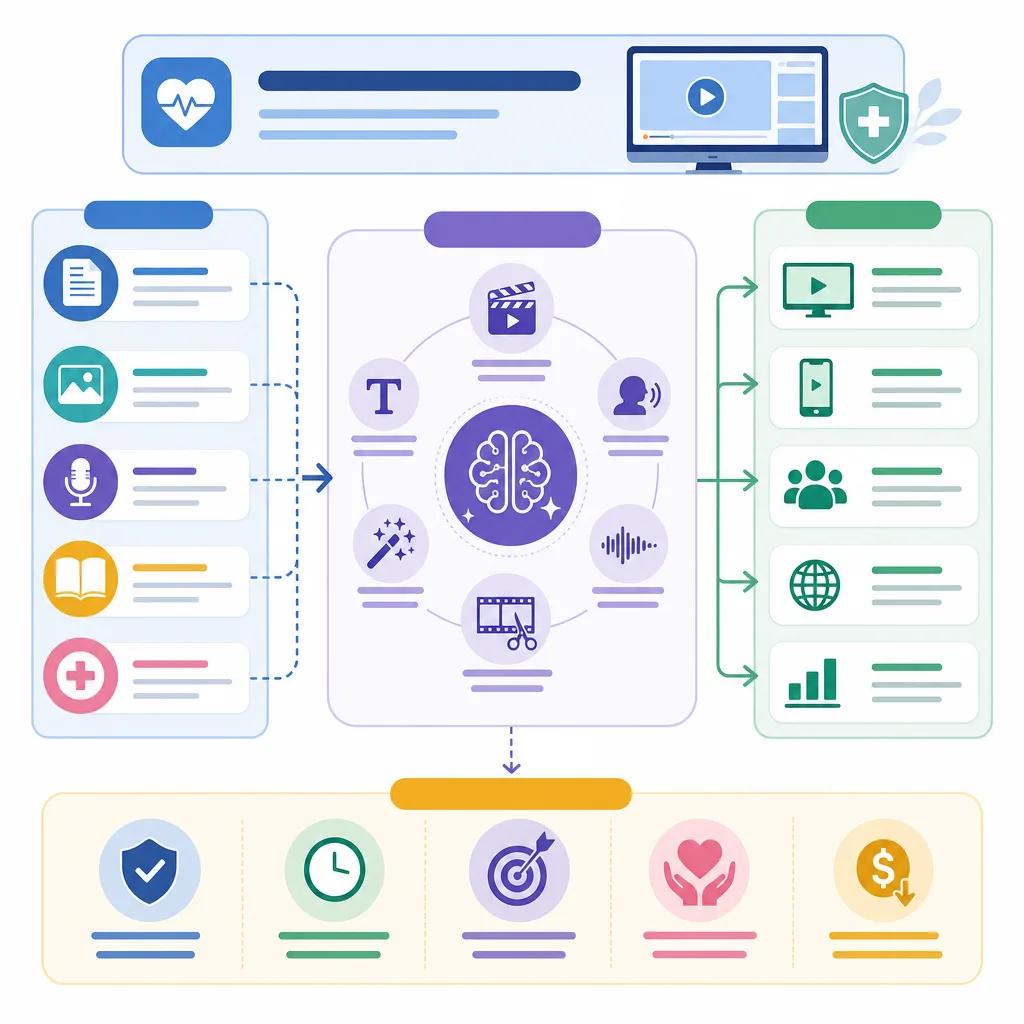
The use of AI in video creation allows for the development of content that is not only informative but also interactive. By incorporating elements such as quizzes and feedback loops, healthcare professionals can better assess patient understanding and adapt educational strategies accordingly.
AI tools also offer language translation and subtitle generation features, which are essential for reaching a diverse patient population. This ensures that educational content is accessible to non-English speakers, broadening the reach of healthcare information.
Overcoming Challenges with AI Video Tools
While AI video tools offer numerous benefits, they also present certain challenges, such as ensuring data privacy and managing the learning curve associated with new technology. Healthcare professionals must stay informed about the latest AI developments and best practices to maximize the benefits of these tools.
Collaborating with IT professionals and investing in regular training sessions can help healthcare providers overcome these challenges and leverage AI technology effectively.
Create videos like this with AI
Script, voiceover, images and subtitles — automated in minutes.
Case Studies: Successful Implementations
Several healthcare institutions have successfully integrated AI video tools into their patient education programs. For example, a hospital in New York reported a 30% increase in patient satisfaction scores after introducing AI-generated videos into their pre-surgery education program.
Similarly, a clinic in London used AI tools to create a series of videos on chronic disease management, resulting in improved patient adherence to treatment plans and a reduction in hospital readmissions.
These examples highlight the potential of AI video tools to enhance healthcare delivery and patient outcomes.
Future Trends in AI Video Tools for Healthcare
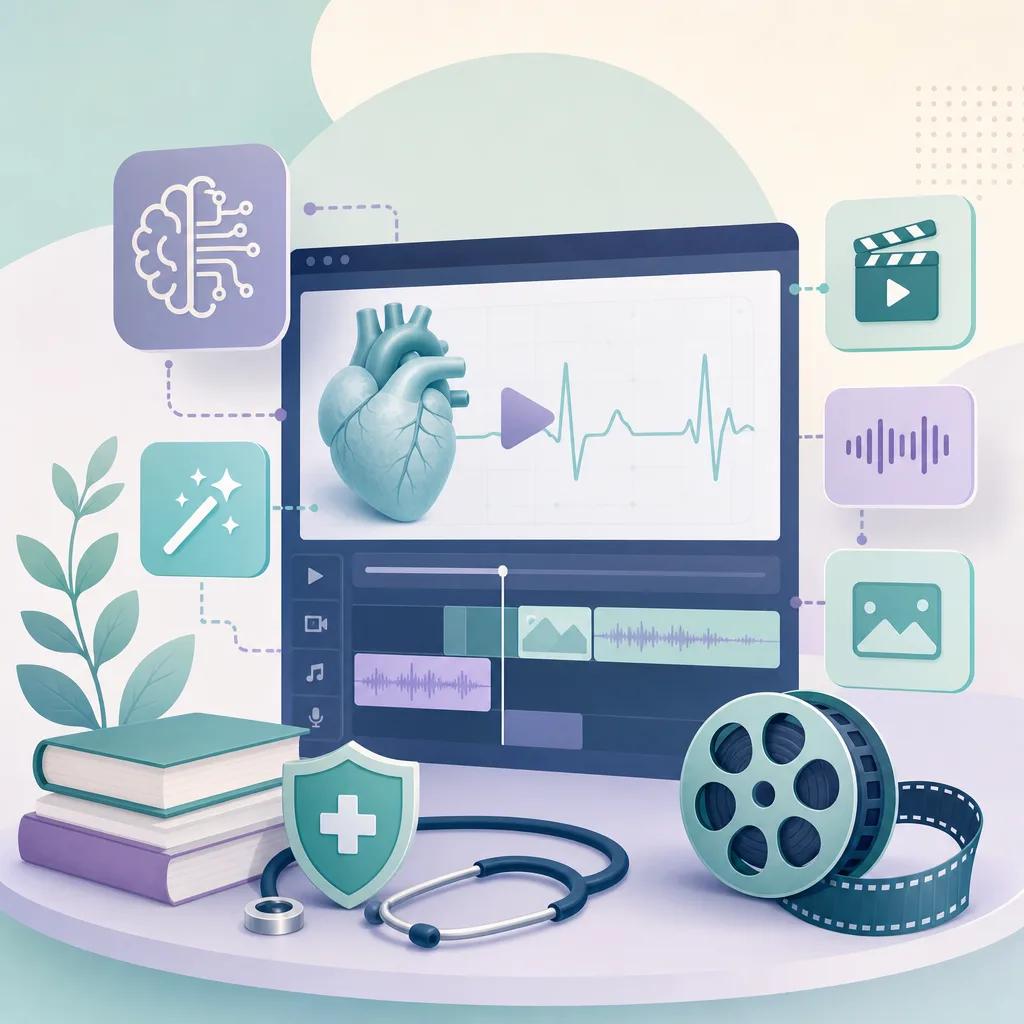
Looking ahead, AI video tools will continue to evolve, offering even more sophisticated features to healthcare professionals. Future trends include the integration of virtual reality (VR) and augmented reality (AR) to create immersive educational experiences.
Additionally, AI-driven analytics will provide valuable insights into patient engagement and video performance, allowing for continuous improvement of educational content.
As AI technology advances, healthcare providers must stay abreast of new developments to ensure they are utilizing the most effective tools available. By doing so, they can enhance their capability to deliver exceptional patient education and care.
For more on the impact of AI in healthcare education, explore our article on how to create AI videos for educational purposes.