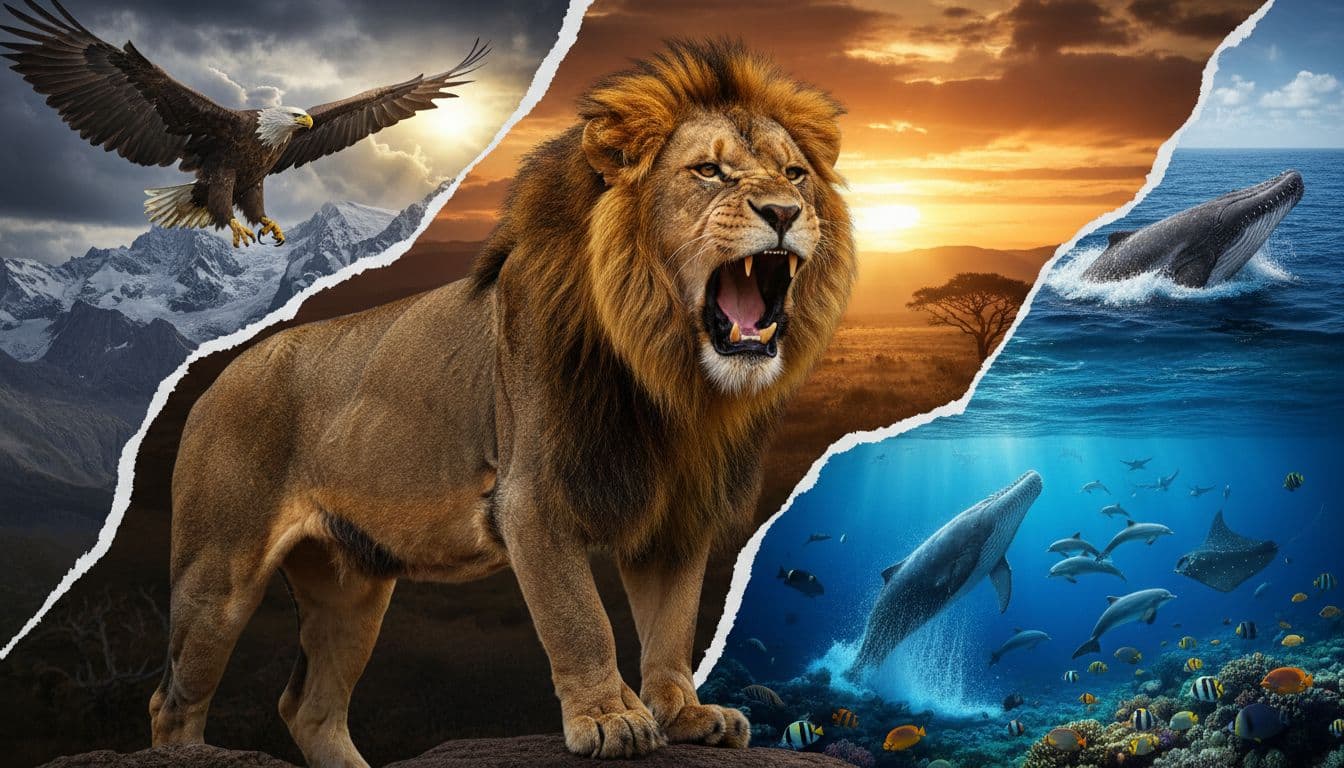
Animal facts channels dominate YouTube with billions of views, and creators earn substantial income without ever appearing on camera. Channels like The Dodo and Brave Wilderness prove that wildlife content captivates audiences, but you don't need expensive camera equipment or dangerous animal encounters to succeed in this niche.
AI technology now enables anyone to create professional wildlife videos with realistic animal visuals, engaging narration, and educational value. This guide shows you exactly how to build a faceless animal facts channel that attracts subscribers and generates revenue.
The animal content niche offers unique advantages: evergreen topics that remain relevant for years, global audience appeal transcending language barriers, and minimal competition from traditional creators who lack access to rare wildlife footage.
Why Animal Facts Channels Succeed
Wildlife content performs exceptionally well on YouTube because it triggers both educational interest and emotional responses. Viewers click for information but stay for the compelling visuals and surprising facts.
The numbers prove this niche works:
High watch time: Animal videos average 6-8 minutes per view compared to 3-4 minutes for general content.
Broad demographics: Animal content appeals to viewers aged 8-80, maximizing your potential audience.
Strong monetization: Family-friendly content qualifies for premium advertisers willing to pay higher CPM rates.
Viral potential: Unusual animal facts generate shares across social media platforms, driving organic growth.
Faceless animal channels avoid the burnout plaguing personality-driven creators. You maintain privacy, focus on content quality, and scale production without appearing on camera. Learn more about this approach in our complete faceless YouTube channel guide.
Finding Your Animal Content Angle
Successful animal facts channels differentiate themselves through specific positioning. Generic wildlife content gets lost in competition, but focused angles attract dedicated audiences.
Profitable Animal Content Niches
Extinct and prehistoric animals: Dinosaurs, mammoths, and ancient creatures fascinate viewers who can't find this content elsewhere.
Ocean life mysteries: Deep sea creatures, marine biology, and underwater ecosystems generate massive engagement.
Dangerous animals: Predators, venomous species, and survival content appeals to thrill-seeking audiences.
Unusual animal behaviors: Strange mating rituals, symbiotic relationships, and intelligent animal actions surprise viewers.
Comparison videos: Animal battle scenarios, size comparisons, and 'what if' matchups drive comments and shares.
Animal rescue and conservation: Heartwarming content about endangered species attracts passionate communities.
Research Your Audience
Analyze successful channels in your chosen angle. Identify gaps in their content coverage, read viewer comments requesting specific topics, and track which video formats generate the most engagement. Use YouTube's search suggestions to discover what people actively search for within animal facts.
Your unique angle might combine two interests: 'Ancient Ocean Predators' or 'Intelligent Animal Problem Solving.' Specific positioning helps YouTube's algorithm understand your content and recommend it to interested viewers.
Create videos like this with AI
Script, voiceover, images and subtitles — automated in minutes.
Creating AI-Generated Wildlife Visuals
Traditional wildlife videography requires expensive equipment, dangerous locations, and months of patience. AI tools now generate realistic animal visuals that match or exceed amateur wildlife footage quality.
Image Style Selection
Choose visual styles that match your content angle and audience expectations:
Photorealistic renders: Modern AI generates near-photographic animal images perfect for educational content requiring accuracy.
Documentary style: Cinematic visuals with natural lighting and habitats create professional wildlife documentary aesthetics.
Illustrated explanations: Digital art styles work well for prehistoric animals or concepts requiring visual clarity over realism.
Dramatic compositions: High-contrast, action-focused visuals grab attention in thumbnails and maintain engagement throughout videos.
Vexub offers multiple image styles optimized for different animal content types. Test various styles with your first videos and analyze which generates better retention rates.
Generating Consistent Animal Visuals
Consistency matters for channel branding and viewer recognition. Create a visual template that defines:
Color grading and lighting preferences that match across all videos
Camera angles and framing that emphasize dramatic moments
Background environments that look natural for featured animals
Transition styles between different scenes and facts
AI video generators maintain consistency when you use detailed prompts. Describe not just the animal but the mood, lighting, and composition you want. Instead of 'show a lion,' try 'male lion at sunset, low angle shot, golden hour lighting, dusty savanna background.'
Writing Engaging Animal Fact Scripts
Your script determines whether viewers watch 30 seconds or 8 minutes. Structure content to hook immediately, deliver value consistently, and build curiosity throughout.
Script Structure That Retains Viewers
Successful animal facts videos follow proven patterns:
Hook (0-5 seconds): Start with your most shocking fact or question: 'This animal's bite force exceeds a lion's by 300%.'
Promise (5-15 seconds): Tell viewers what they'll learn: 'Today you'll discover five ocean predators with abilities science can't explain.'
Main content (middle 80%): Deliver 5-10 distinct facts, each building on the previous one's surprise factor.
Pattern interrupts (every 60-90 seconds): Insert unexpected information, questions, or transitions that reset viewer attention.
Call-to-action (final 10 seconds): Direct viewers to subscribe, watch related videos, or comment their thoughts.
Research Credible Facts
Accuracy builds trust with your audience and protects your channel from misinformation strikes. Source facts from:
Peer-reviewed scientific journals and research papers
Reputable wildlife organizations and conservation groups
Academic institutions with marine biology or zoology departments
Published books by recognized wildlife experts
Always verify surprising facts through multiple sources. If information seems too incredible, note the source in your script or video description. Audiences appreciate transparency about extraordinary claims.
Making Facts Memorable
Transform dry information into engaging content through:
Comparisons: 'A blue whale's heart weighs as much as a small car' beats 'A blue whale's heart weighs 400 pounds.'
Storytelling: Frame facts within narratives about survival, evolution, or animal behavior rather than listing statistics.
Visual descriptions: Paint mental pictures that your AI visuals will complement: 'Imagine standing next to an elephant seal—now picture one twice that size. That's a prehistoric sea creature that hunted whales.'
Questions: Pose questions that make viewers predict answers before revealing surprising truths.
AI Voiceover for Wildlife Content
Professional narration elevates animal facts from amateur slideshow to documentary-quality content. AI voices now deliver natural-sounding narration that maintains viewer engagement.
Select voices that match your content's tone:
Documentary narrator: Deep, authoritative voices work for serious educational content about conservation or science.
Enthusiastic educator: Energetic, mid-range voices suit surprising facts and entertainment-focused animal content.
Calm explainer: Warm, conversational voices create approachable content for younger audiences.
Vexub's AI voiceover technology generates natural inflection and pacing. Preview multiple voice options with the same script to find the perfect match for your channel's personality.
Adjust pacing strategically: slow down for shocking revelations, speed up slightly for lists, and pause after questions to let information sink in. These micro-adjustments dramatically improve retention.
Optimizing Videos for Discovery
Creating great content means nothing if nobody finds it. YouTube's algorithm prioritizes videos that match viewer intent and maintain engagement.
Keyword Research for Animal Content
Animal facts searchers use specific patterns you can exploit:
Specific species + attribute: 'killer whale intelligence,' 'komodo dragon venom'
Superlatives: 'strongest animal,' 'fastest predator,' 'most venomous snake'
Comparisons: 'shark vs dolphin,' 'lion vs tiger size'
Questions: 'why do elephants have trunks,' 'how do octopuses change color'
Lists: 'top 10 dangerous ocean animals,' '5 extinct animals scientists want to bring back'
Use YouTube's search bar to identify autocomplete suggestions. These represent high-volume searches where you can compete. Tools like TubeBuddy or VidIQ reveal search volume and competition levels, but manual research works equally well.
Thumbnail Psychology for Wildlife
Animal content thumbnails benefit from specific elements that trigger clicks:
Close-up animal faces: Eyes create emotional connection; predator stares trigger curiosity about danger.
Size comparisons: Show animals next to humans or familiar objects to emphasize scale.
Action moments: Capture mid-hunt, mid-flight, or mid-attack poses that suggest motion.
Bright, contrasting colors: Saturated colors stand out in YouTube's feed; use complementary colors for text overlays.
Minimal text: Three to five words maximum; viewers scroll quickly and need instant comprehension.
Test thumbnails with different animal poses, text placement, and color schemes. YouTube Studio analytics reveal which thumbnails generate the highest click-through rates.
Titles That Promise Value
Balance keyword optimization with genuine curiosity:
Front-load keywords: 'Great White Shark Facts' performs better than 'Facts About the Great White Shark'
Include numbers: 'Top 10' and '5 Reasons' formats outperform vague promises
Create gaps: 'This Tiny Fish Kills Sharks (Here's How)' makes viewers click to close the knowledge gap
Use power words: 'Shocking,' 'Incredible,' 'Impossible,' 'Never,' 'Always' boost emotional appeal
Avoid clickbait that doesn't deliver. YouTube's algorithm punishes videos where viewers click but don't watch. Your title must accurately represent your content while maximizing appeal.
Scaling Your Animal Facts Channel
Consistent uploading accelerates growth more than individual viral videos. Build systems that enable regular content production without sacrificing quality.
Content Calendar Planning
Organize topics into themes that interconnect and encourage binge-watching:
Series format: 'Ocean Predators Week' with five videos about different marine hunters
Seasonal relevance: Migration patterns in fall, mating behaviors in spring
Trending topics: Create videos about animals in current news or viral moments
Evergreen foundation: Build a library of timeless content that generates views for years
Plan four weeks ahead to maintain upload consistency during busy periods. Batch-create scripts for related topics, then generate all visuals and voiceovers in dedicated production sessions.
Repurposing for Multiple Platforms
Your animal facts content works across platforms with minor adjustments. Extract 30-60 second clips from YouTube videos for TikTok and Instagram Reels. These short-form versions drive traffic to your full YouTube content while building audiences on multiple platforms.
Focus each platform's content on that audience's preferences. TikTok users prefer quick, surprising facts with trending audio. YouTube viewers want deeper dives with comprehensive information. Instagram Reels audiences engage with visually stunning animal moments. Check out strategies for growing TikTok animal channels to maximize cross-platform reach.
Automation and Efficiency
AI tools transform multi-hour production into 30-minute workflows:
Generate complete scripts from topic prompts using AI writing assistants
Create all visuals for a video in one Vexub session using consistent style settings
Generate voiceovers instantly instead of recording and editing audio
Auto-generate captions and subtitles that improve accessibility and retention
Batch-process multiple videos in sequence without manual intervention
This efficiency lets solo creators maintain 3-5 uploads weekly—the frequency that triggers YouTube's algorithm to prioritize your channel. Quality still matters more than quantity, but AI enables both simultaneously.
Monetization Strategies Beyond AdSense
YouTube ad revenue provides baseline income, but diversified monetization maximizes earnings per view. Animal content channels access multiple revenue streams that complement advertising.
Affiliate marketing works naturally with animal facts content:
Pet product recommendations for viewers interested in exotic pets
Wildlife photography equipment for aspiring nature photographers
Outdoor and safari gear for adventure-seeking audiences
Educational books and documentaries about featured animals
Create dedicated videos reviewing products or services, or integrate subtle mentions within regular content. Transparency about affiliate relationships builds trust—most audiences accept affiliate links when you genuinely recommend valuable products.
Digital products scale infinitely without inventory costs. Animal facts creators successfully sell:
Comprehensive animal fact ebooks or guides
Exclusive video content or extended cuts for members
Custom animal fact calendars or educational posters
Online courses about wildlife photography or animal behavior
Sponsorships from conservation organizations, eco-friendly brands, or educational platforms pay premium rates for animal content. Once you reach 50,000 subscribers, companies actively seek partnerships with creators in this niche.
Avoiding Common Mistakes
New animal facts creators repeatedly make errors that limit growth. Learn from others' failures instead of experiencing them yourself.
Content Accuracy Issues
Viral misinformation damages credibility permanently. One inaccurate video can destroy months of trust-building. Always verify facts through multiple reliable sources, cite sources in descriptions for controversial claims, and issue corrections immediately when errors surface.
Copyright and Fair Use
Using wildlife footage from other creators without permission violates copyright law. AI-generated visuals solve this problem entirely—you own the rights to your generated content. Avoid using footage from nature documentaries, wildlife photographers, or other YouTube channels unless you have explicit permission or proper licensing.
Oversaturation Without Differentiation
Creating another generic 'amazing animal facts' channel guarantees obscurity. Successful channels own specific angles: extinct predators, ocean mysteries, animal intelligence, or unusual behaviors. Define your unique positioning before creating your first video.
Inconsistent Upload Schedule
YouTube's algorithm rewards consistency more than perfection. Uploading weekly on the same day trains both the algorithm and your audience. Viewers know when to expect new content, and YouTube learns to promote your videos at optimal times.
Long-Term Growth and Channel Evolution
Sustainable channels evolve with their audience while maintaining core identity. Start focused, prove your concept works, then expand strategically.
Track analytics religiously. YouTube Studio reveals which topics generate the highest retention, which thumbnails drive clicks, and which videos attract subscribers. Double down on what works and eliminate what doesn't.
Engage your community through comments, polls, and community posts. Ask viewers what animals or topics they want covered next. This direct feedback ensures you create content your audience actually wants rather than guessing their interests.
Consider collaborations with other faceless creators once you reach 10,000 subscribers. Cross-promotion introduces your channel to established audiences interested in similar content. Educational channels, science communicators, and other animal content creators make natural collaboration partners.
Eventually, expand into related niches that share your core audience. Animal facts viewers often enjoy nature documentaries, science explainers, or environmental content. Gradual expansion prevents alienating existing subscribers while attracting new viewers.
The animal facts niche offers long-term sustainability because curiosity about wildlife never diminishes. Channels created today will generate views and revenue for years. Your content library becomes a compounding asset—each video attracts new viewers who then discover your entire catalog.