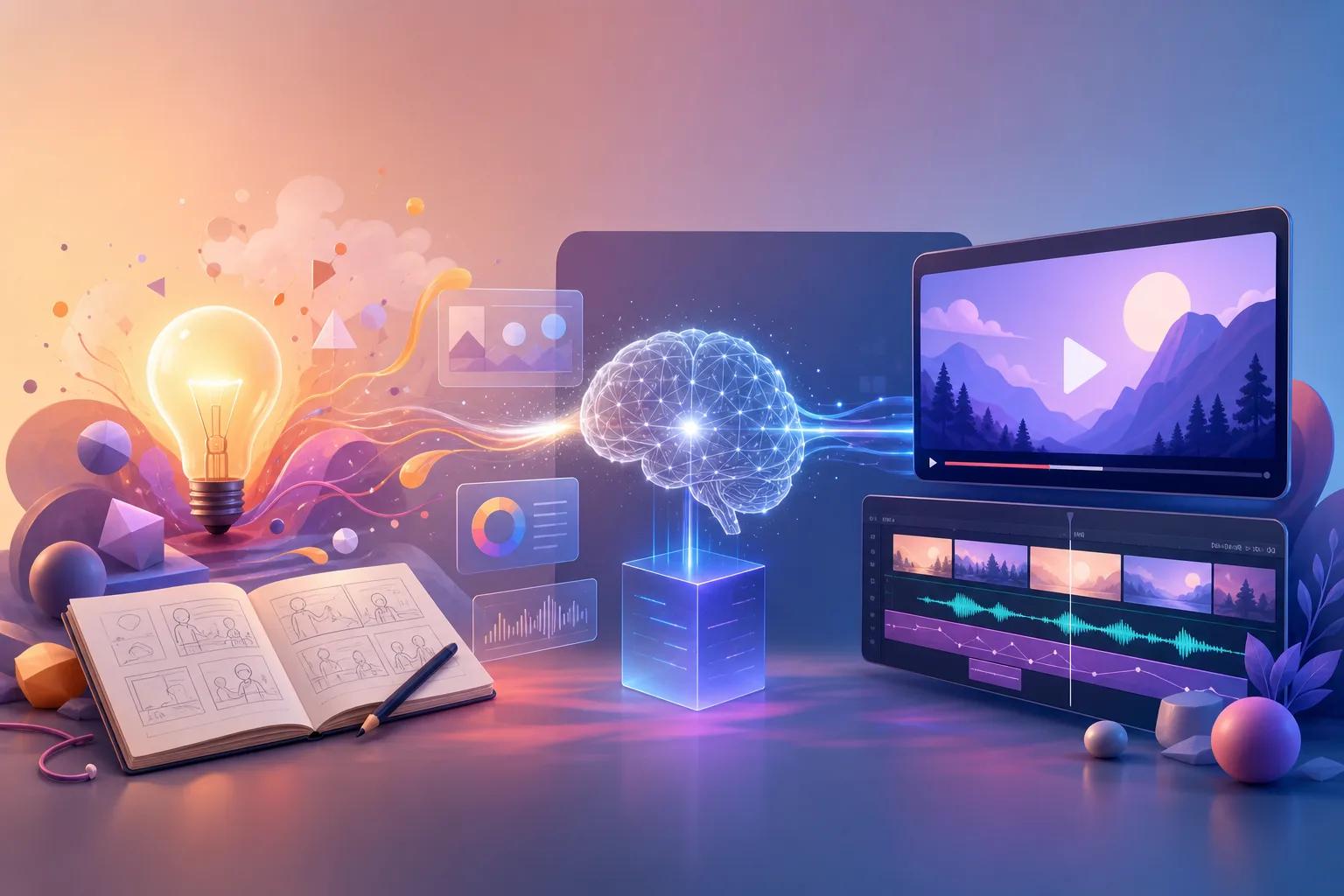
Creating explainer videos that effectively engage your audience can be a daunting task. However, leveraging AI technology simplifies this process, making it accessible even for those without extensive video production skills. If you're wondering how to create AI-driven explainer videos, you're in the right place.
In this guide, we'll explore step-by-step methods to help you craft videos that not only inform but also captivate your audience. By utilizing AI tools, you can streamline the creation process, allowing you to focus on the content that matters most.
Understanding AI-Driven Explainer Videos
Before jumping into the creation process, it's crucial to understand what AI-driven explainer videos are. These videos use artificial intelligence to automate many aspects of video production, from scripting to editing. This technology enables creators to produce high-quality content with minimal manual input.
AI-driven videos are particularly effective in delivering complex information in an easy-to-digest format. They can be tailored to a variety of industries, making them a versatile tool for businesses aiming to enhance their communication strategy.
With platforms like Vexub, you can seamlessly integrate AI capabilities into your video production workflow, ensuring that your videos are both engaging and informative.
Choosing the Right AI Tools
Selecting the appropriate tools is a critical step in creating successful AI-driven explainer videos. With numerous options available, it's important to choose a solution that aligns with your specific needs and budget. Popular tools include ", Sora 2 by Vexub, ", which offers comprehensive AI-driven features tailored for explainer videos.
When evaluating tools, consider factors such as ease of use, customization options, and support for various video formats. Additionally, take advantage of free trials or demos to get a feel for the platform before making a commitment.
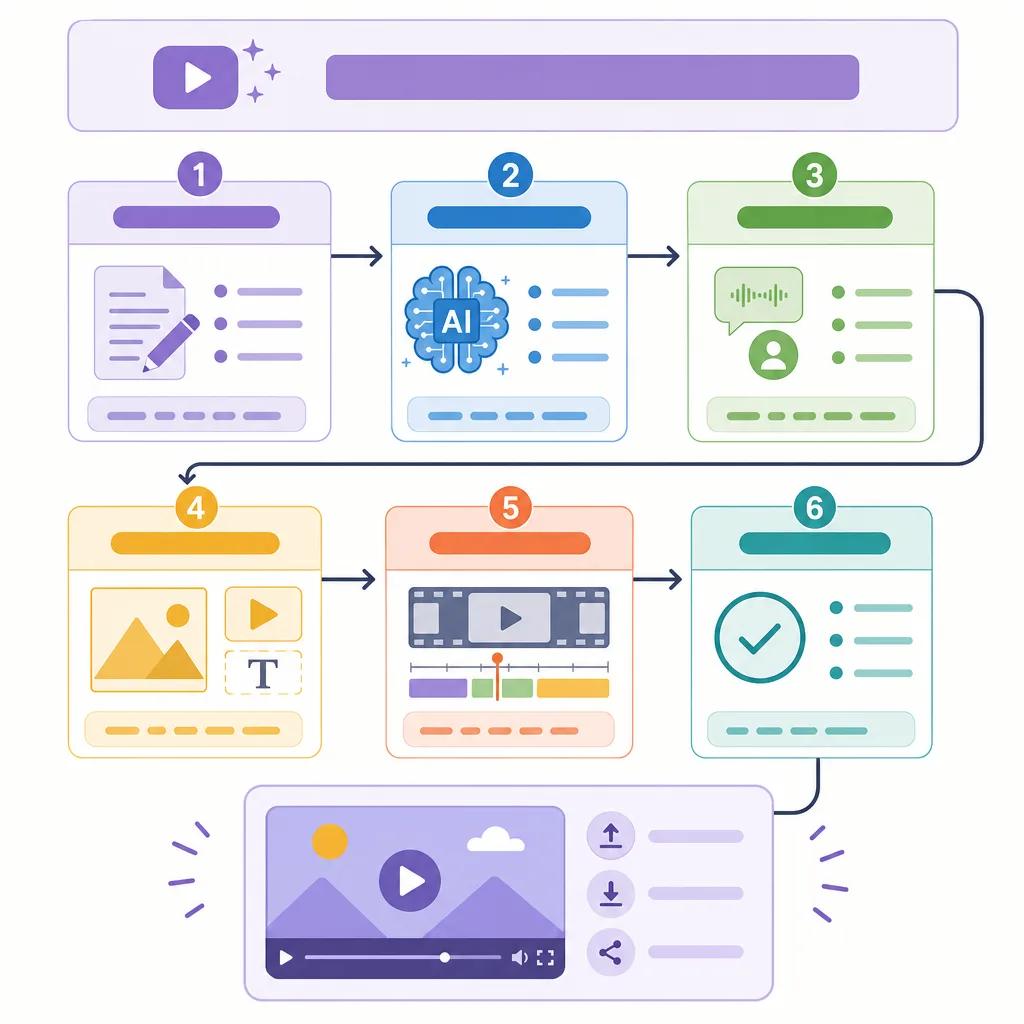
Crafting an Effective Script
The script is the backbone of any explainer video. AI tools can assist in generating scripts by analyzing text inputs and suggesting improvements. However, it's essential to tailor the script to your audience's needs and the video's objectives.
Start by defining the key message you wish to convey and break it down into concise, clear segments. Keep the language simple and direct to maintain viewer engagement. Remember, the goal is to explain, not to overwhelm.
You can enhance your script by incorporating data-driven insights. Tools like Vexub allow you to integrate analytics that highlight viewer preferences, enabling you to refine your content further.
Designing Visual Elements
Visuals play a critical role in maintaining viewer interest in explainer videos. AI can assist in creating dynamic visuals that align with your script and overall narrative. From animated characters to interactive infographics, the possibilities are vast.
Consider using AI tools that offer predefined templates and assets to speed up the design process. Customization options should allow you to adapt these elements to fit your brand's identity, ensuring consistency across all content.
It's also beneficial to explore link(\"best practices for AI video storytelling\", \"/blog/best-practices-ai-video-storytelling\") to enhance the narrative flow of your visuals.
Editing and Finalizing Your Video
Once your visuals and script are in place, the next step is to edit and finalize your video. AI-driven editing tools can automatically adjust video length, transitions, and even background music to suit the tone of your message.
During the editing phase, focus on pacing. An effective explainer video maintains a rhythm that keeps viewers interested without moving too quickly. Use AI analytics to identify sections where viewers might lose interest and adjust accordingly.
Finally, ensure your video is optimized for various platforms. Whether it's for social media, your website, or link(\"e-commerce platforms\", \"/blog/ai-video-trends-ecommerce-2026\"), your video should be formatted correctly to reach the widest audience possible.
Measuring Success and Iterating
Creating an explainer video doesn't end with its publication. Measuring its success is crucial for understanding its impact and planning future content. Utilize AI analytics to track viewer engagement, retention rates, and conversion metrics.
These insights will guide you in making necessary adjustments to improve your video's effectiveness. Experiment with different formats, styles, and messages to see what resonates best with your audience.
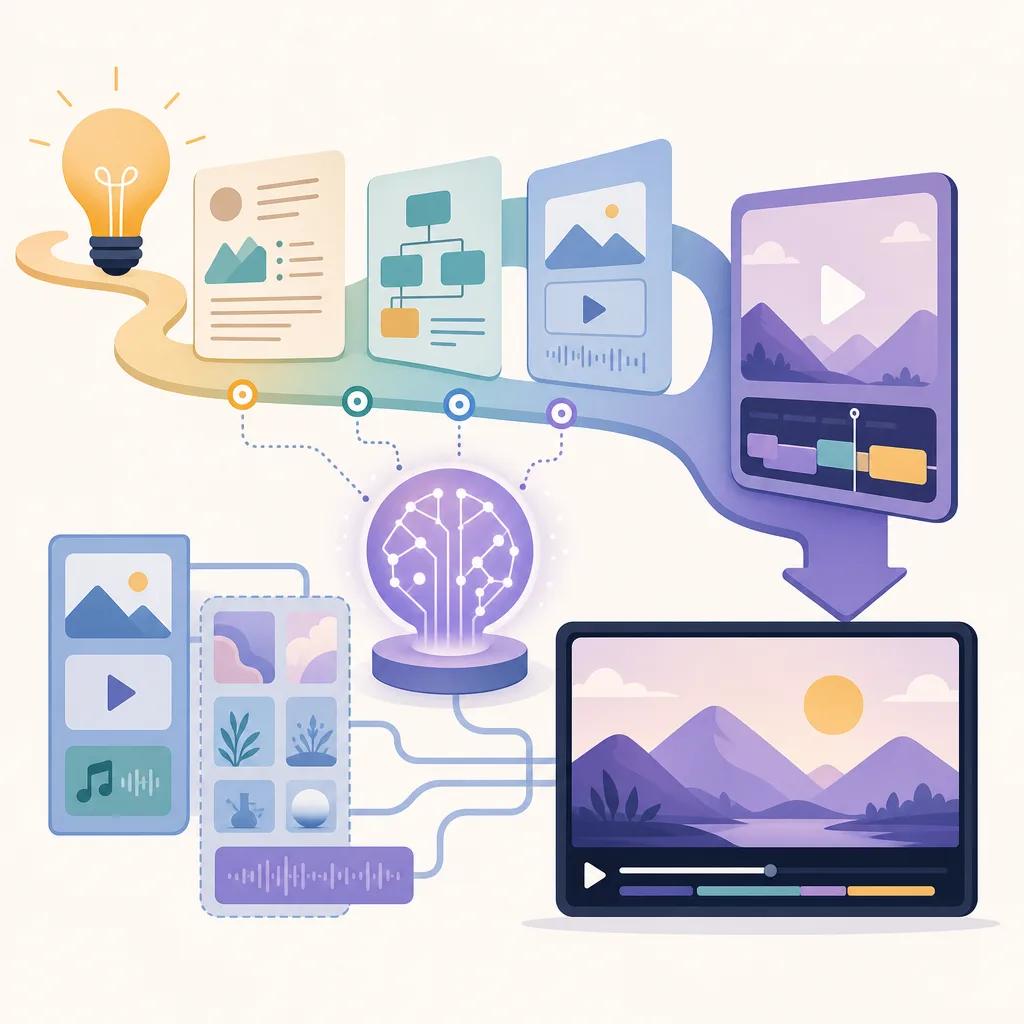
Create videos like this with AI
Script, voiceover, images and subtitles — automated in minutes.
Conclusion: Start Creating Now
AI-driven explainer videos are a powerful tool for conveying complex information in an engaging way. By understanding the available tools and strategies, you can create impactful videos that resonate with your audience.
Platforms like Vexub provide the resources needed to streamline this process, making it easier than ever to produce professional-quality content. Whether you're a seasoned video creator or a beginner, AI technology opens new possibilities for your storytelling.
Explore more about link(\"AI video tools for content creators\", \"/blog/ai-video-tools-content-creators-2026\") and see how they can enhance your content strategy.