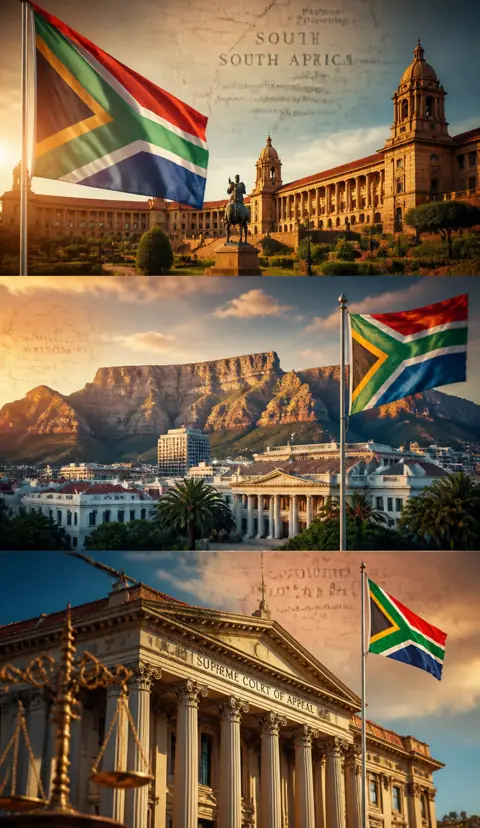
Travel content generates billions of views on YouTube, but traditional travel creators face a critical problem: producing quality travel videos requires expensive equipment, international trips, and weeks of filming. AI-generated travel videos eliminate these barriers entirely.
You can now build a profitable faceless travel channel that showcases destinations worldwide without leaving your home. AI tools generate stunning destination visuals, animated maps, atmospheric B-roll, and professional narration—all from simple text prompts. Channels using this approach are already generating 500K+ monthly views with content created in hours, not weeks.
This guide shows you exactly how to build, optimize, and monetize a faceless travel YouTube channel using AI video generation.
Why Faceless Travel Channels Work in 2026
Travel content ranks among YouTube's most popular categories, with viewers seeking both practical destination guides and vicarious experiences. The demand is massive and growing.
Traditional travel vloggers face prohibitive costs: international flights, accommodation, camera equipment, and months away from home. AI-powered faceless channels bypass these limitations while delivering the visual richness and information viewers want.
Production speed: Create 10 destination videos in the time a traditional creator films one trip.
Zero travel costs: Showcase Bali, Iceland, and Tokyo without spending on flights or hotels.
Consistent posting: Maintain weekly uploads regardless of weather, travel restrictions, or budget.
Scalable content: Cover hundreds of destinations impossible for solo creators to visit.
Monetization freedom: Build revenue from ads, affiliates, and sponsorships without personal brand dependency.
Successful AI travel channels prove this model works. Channels like "Destination Discoveries" and "Atlas Explorer" generate 2-3 million monthly views using AI-generated visuals, maps, and voiceovers. Their audiences care about the information and visual experience, not seeing a creator on camera.
Choosing Your Travel Channel Niche
Generic travel content struggles against established channels with millions of subscribers. Specific niches attract dedicated audiences and face less competition.
The most successful faceless travel channels focus on defined audience segments with clear content angles.
Proven Travel Channel Niches
Budget travel destinations: "Top 10 Countries Where $1000 Lasts a Month" targets cost-conscious travelers.
Digital nomad locations: "Best Cities for Remote Workers in 2026" serves the growing remote work audience.
Hidden destinations: "Unknown European Villages Tourists Miss" appeals to experience seekers.
Extreme destinations: "Most Dangerous Travel Destinations Explained" attracts adventure audiences.
Cultural deep dives: "Japanese Temple Etiquette Explained" serves specific traveler interests.
Visa and logistics: "Countries Americans Can Visit Visa-Free" solves practical planning problems.
Seasonal travel: "Best Winter Sun Destinations Under $500" captures seasonal search traffic.
Travel ranking comparisons: "Switzerland vs Norway: Which is Worth Visiting?" leverages comparison searches.
Select a niche where you can produce 50+ unique video topics. Check search volumes using YouTube's autocomplete and Google Trends to validate audience demand before committing.
Creating AI Travel Videos with Vexub
Vexub transforms travel scripts into complete videos with destination visuals, maps, transitions, and narration. The platform handles the complex technical work while you focus on research and storytelling.
The process starts with a well-structured script that balances information with visual descriptions. AI then generates corresponding imagery that brings your destination guide to life.
Travel Video Script Structure
Effective travel video scripts follow a proven format that works with AI generation:
Hook (0-10 seconds): "This European city offers Michelin-star dining for under $30 per meal."
Introduction (10-30 seconds): Brief destination overview and what viewers will learn.
Main content sections: 3-7 specific topics (best areas, costs, activities, food, logistics).
Practical tips: Transportation, best times to visit, money-saving strategies.
Call to action: Ask viewers to subscribe for more destination guides.
For a 5-minute video, write approximately 650-750 words. Each sentence becomes a visual opportunity—describe specific scenes, landmarks, activities, and atmospheres that AI can illustrate.
Create videos like this with AI
Script, voiceover, images and subtitles — automated in minutes.
Generating Destination Visuals
Vexub's AI image generation creates destination-specific visuals from your script descriptions. The key is writing prompts that specify visual details rather than abstract concepts.
Instead of "Porto is beautiful," write "Colorful buildings line the Douro River waterfront in Porto, with traditional rabelo boats moored along the stone quayside." This gives AI concrete visual elements to generate.
Architectural landmarks: "The Gothic spires of Sagrada Familia rise against a blue Barcelona sky."
Street scenes: "Narrow cobblestone alleys wind through the Alfama district in Lisbon."
Natural landscapes: "Turquoise waters lap against white limestone cliffs in the Algarve."
Cultural activities: "Local vendors sell fresh produce at the Mercado de San Miguel in Madrid."
Atmospheric moments: "Sunrise casts golden light across the rice terraces of Bali's Tegallalang."
Select image styles that match your niche. Cinematic photographic styles work for luxury travel content. Illustrated styles suit family-friendly or educational channels. Test different styles to see what resonates with your audience.
Essential Elements for Travel Videos
Professional travel videos combine multiple visual elements beyond static destination shots. Maps, statistics, and varied perspectives maintain viewer engagement throughout longer content.
Maps and Geographic Context
Animated maps help viewers understand location and scale. Include map segments showing:
Country or region overview with destination highlighted
City layout with neighborhoods or districts labeled
Routes between attractions or areas
Proximity to airports, train stations, or borders
Describe these elements in your script: "The coastal town sits 45 minutes south of Barcelona airport, accessible by direct train." Vexub can generate accompanying map visuals from these descriptions.
Cost Comparisons and Data
Budget-focused travel content performs exceptionally well. Present costs clearly with visual backing:
Average meal prices by restaurant type
Accommodation costs per night by area
Transportation expenses (metro, taxi, rental car)
Attraction entry fees and passes
Use Vexub's text overlay features to display specific numbers while narration provides context. Visual data makes content more shareable and screenshot-worthy.
Voice and Narration Strategy
AI-generated voiceovers deliver consistent quality without recording equipment or voice training. The right voice selection significantly impacts perceived video quality and channel identity.
For travel content, select voices that sound knowledgeable and trustworthy without being overly dramatic. Mid-range pitch with moderate pacing works best—too slow sounds patronizing, too fast overwhelms viewers processing visual information.
British accents: Add perceived authority for European and luxury travel content.
American neutral: Works universally across all travel niches and destinations.
Australian accents: Suit adventure and outdoor-focused travel channels.
Maintain the same voice across all videos to build channel recognition. Viewers associate the voice with your brand, creating familiarity that encourages subscription and return viewership.
Optimizing Travel Videos for Discovery
YouTube's algorithm prioritizes watch time and click-through rate. Travel content competes in a crowded space, so optimization determines whether your videos reach their audience.
Titles That Drive Clicks
Effective travel video titles balance curiosity with specificity. Generic titles like "Visiting Paris" lose to specific angles like "Paris on $50 a Day: Budget Travel Guide 2026."
High-performing title formulas for travel content:
Number lists: "7 European Cities Cheaper Than Thailand in 2026"
Cost-focused: "How Much Does 2 Weeks in Japan Actually Cost?"
Comparison: "Bali vs Thailand: Which is Better for Digital Nomads?"
Superlatives: "The Most Underrated City in South America"
Misconceptions: "What Nobody Tells You About Living in Portugal"
Problem-solving: "How to Visit Iceland Without Going Broke"
Include the year (2026) in evergreen content titles to appear current. Update and re-upload videos annually with refreshed information and updated years.
Thumbnails for Travel Content
Travel thumbnails must showcase visual appeal while communicating specific value. Export a striking frame from your AI-generated video, then add text overlay that reinforces the title angle.
Effective thumbnail elements:
Vibrant destination imagery (beaches, mountains, architecture, street scenes)
Clear, large text highlighting the key value ("Under $30/Day" or "Hidden Gem")
Contrasting colors that stand out in YouTube's interface
Faces rarely help faceless channels—focus on destination visuals instead
A/B test thumbnails using YouTube Studio analytics. High CTR (above 8% for travel content) indicates effective thumbnail design.
Building Your Content Pipeline
Consistency drives YouTube channel growth more than individual video quality. Establish a sustainable production schedule that maintains regular uploads without creator burnout.
Most successful faceless travel channels publish 2-4 videos weekly. With AI generation, you can batch-create content efficiently.
Batch Production Workflow
Research phase: Spend one day researching 10-15 destinations with notes on costs, attractions, and unique angles.
Script writing: Write 5-8 scripts in one session, using similar structure for efficiency.
Video generation: Upload scripts to Vexub and generate all videos in one batch.
Review and export: Check generated videos for accuracy, adjust if needed, and export finals.
Schedule uploads: Upload to YouTube and schedule releases across 2-3 weeks.
This approach creates weeks of content in focused production sessions, preventing last-minute scrambling and maintaining consistent quality.
Monetization Strategies for Travel Channels
Travel channels monetize through multiple revenue streams beyond YouTube ad revenue. Diversified income protects against algorithm changes and platform policy updates.
YouTube Partner Program
Reach 1,000 subscribers and 4,000 watch hours to enable monetization. Travel content averages $3-8 CPM (revenue per 1,000 views), with higher rates for videos about expensive destinations or luxury travel.
A channel generating 500,000 monthly views earns approximately $1,500-4,000 monthly from ads alone. Growth to 2-3 million views brings $6,000-12,000 monthly ad revenue.
Affiliate Marketing
Travel affiliate programs offer higher per-sale commissions than most niches:
Booking.com: 25-40% commission on hotel bookings clicked from your video descriptions.
GetYourGuide: 8% commission on tours and activities.
Travel insurance: $20-50 per policy sold through SafetyWing or World Nomads.
Credit cards: $50-200 per approved application for travel rewards cards.
Include affiliate links in video descriptions and pin a comment with your recommended booking platforms. A 100,000-view video might generate 500-1,000 link clicks, converting to $200-800 in affiliate commissions depending on niche and audience quality.
Sponsored Content
Travel brands pay for featured mentions in videos. Tourism boards, hotel chains, booking platforms, and travel gear companies all seek YouTube promotion.
Channels with 50,000+ subscribers command $500-2,000 per sponsored video. At 200,000+ subscribers, sponsorship rates reach $2,000-5,000 per video. Build a media kit showcasing your audience demographics and engagement metrics to approach potential sponsors.
Scaling Your Faceless Travel Channel
Once you've validated your niche and content format, systematic scaling accelerates growth and revenue.
The faceless YouTube channel guide covers broader scaling strategies applicable to travel content. Key tactics include:
Series creation: Develop repeatable formats like "Budget Breakdown" or "Digital Nomad City Reviews" that viewers anticipate.
Trending destinations: Monitor Google Trends and news for emerging travel hotspots, creating timely content around viral destinations.
Seasonal content: Produce winter destination guides in October-November, summer content in March-April, capturing seasonal search traffic.
Collaboration opportunities: Partner with other faceless travel creators for cross-promotion, expanding reach without on-camera appearances.
Consider expanding successful channels into related niches. A budget travel channel might spawn a second channel focused on digital nomad destinations or family travel guides, leveraging your existing production skills and AI workflows.
Common Mistakes to Avoid
New faceless travel creators often make preventable errors that limit growth. Avoid these pitfalls:
Generic content: "Top 10 Places to Visit in Europe" has been done 10,000 times. Find specific angles or unique combinations.
Outdated information: Verify current visa requirements, costs, and travel restrictions. Outdated advice damages credibility.
No clear audience: Mixing luxury hotels with budget hostels confuses viewers about who the content serves.
Inconsistent upload schedule: Monthly uploads fail to build momentum. Commit to weekly minimum.
Ignoring comments: Respond to viewer questions and requests. This engagement signals quality to YouTube's algorithm.
Over-reliance on AI: Review generated content for accuracy. AI occasionally produces incorrect costs or outdated information.
The world facts guide shows how fact-checking and accuracy build authority in information-focused channels—principles that apply equally to travel content.
Launch Your AI Travel Channel
AI-generated travel content removes traditional barriers to building a successful YouTube channel. You don't need expensive cameras, international flights, or years of filming experience. You need destination knowledge, consistent content production, and strategic optimization.
Start with a focused niche, create your first 10 videos using Vexub, and establish a publishing schedule you can maintain long-term. Track analytics closely, double down on content formats that perform, and adjust based on audience response.
The travel content space continues growing as more people plan trips and seek destination inspiration online. Your AI-powered faceless channel can capture this audience and build sustainable revenue through ads, affiliates, and sponsorships—all while working from home.