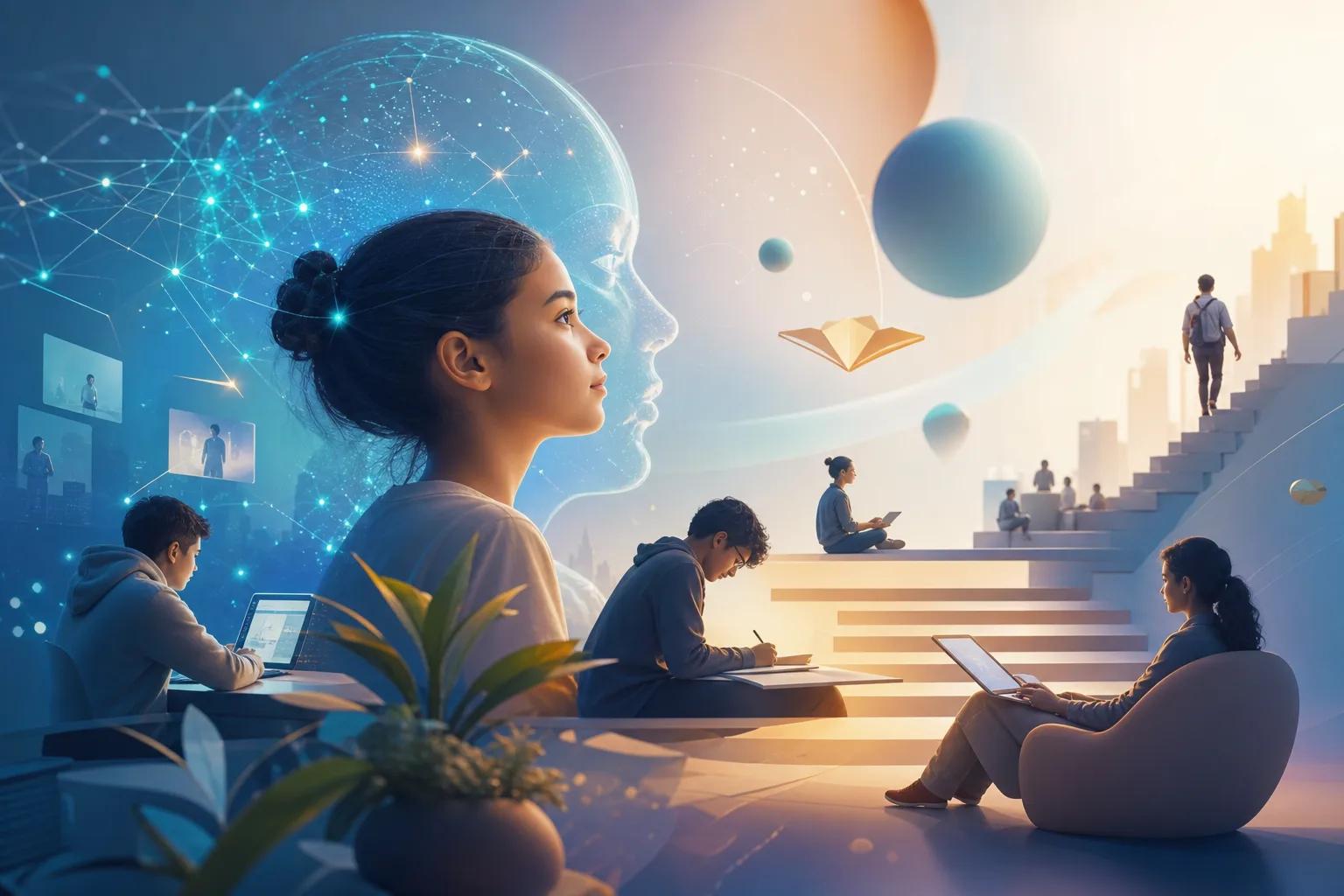
In 2026, the landscape of education is undergoing a transformation, driven by advancements in AI video technology. These changes are not just enhancing the way educational content is delivered but also reshaping pedagogical approaches. As educators and institutions navigate these new waters, understanding the trends in AI video for education becomes crucial.
AI video technology is proving to be a game-changer in education, offering personalized learning experiences and unprecedented engagement levels. With the rapid pace of technological innovation, educators now have tools that were once the realm of science fiction. From adaptive learning systems to immersive virtual classrooms, these developments are setting the stage for a new era in education.
Which Type of AI Videos are Trending in 2026?
In 2026, several types of AI-powered videos are gaining traction in the educational sector. One prominent trend is the use of interactive video content that adapts to the learners' pace and understanding. These videos often incorporate branching scenarios that allow students to choose their learning path, making education more engaging and personalized.
Another trend is the integration of virtual reality (VR) and augmented reality (AR) in educational videos. These technologies provide immersive experiences that can enhance understanding and retention of complex subjects. For instance, in science education, students can explore the human anatomy in a 3D environment, gaining insights that traditional methods might not offer.
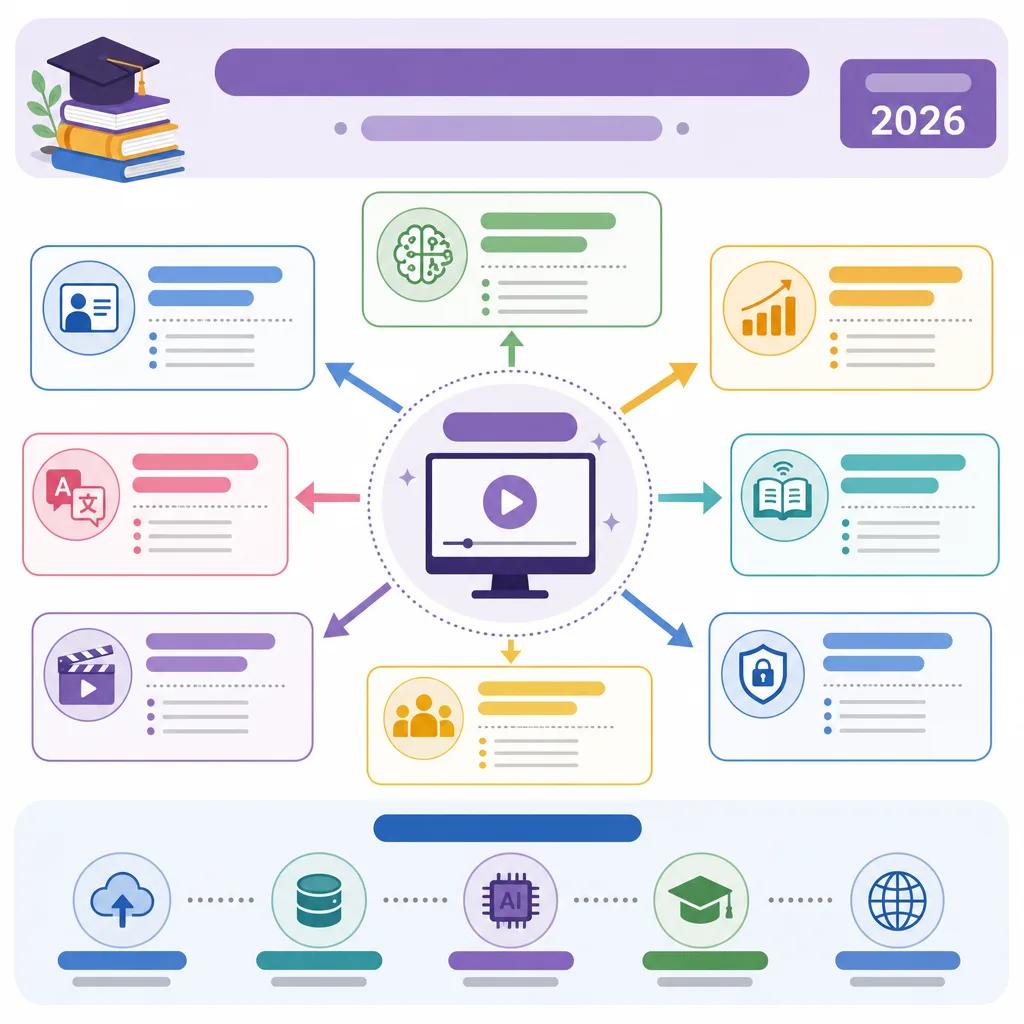
What are the Trends for Artificial Intelligence in 2026?
The overarching trend in AI for 2026 is the emphasis on ", bold("personalization and adaptability"), ". AI algorithms are becoming sophisticated enough to tailor educational content to individual learning styles, interests, and speeds. This trend is particularly evident in platforms that offer ", AI-driven solutions, " for personalized learning pathways.
Moreover, AI video tools are increasingly focusing on accessibility and inclusivity. AI technologies are being developed to support learners with disabilities, offering features like automated sign language translation and audio descriptions. These advancements ensure that educational content is accessible to a broader audience, promoting equity in education.
How to Start Making AI Videos in 2026?
Creating AI-powered educational videos in 2026 is more accessible than ever, thanks to platforms like Vexub that simplify the video production process. To start, you should identify your educational goals and the audience you aim to engage. This involves selecting the right AI tools that align with your content objectives.
Once you have a clear plan, leverage AI video editing tools that offer features like automated editing, voiceovers, and language translations. These tools can significantly reduce production time and enhance the quality of your videos. It's also beneficial to explore ", creative uses of AI in social media videos, " to understand how AI can enhance engagement.
Create videos like this with AI
Script, voiceover, images and subtitles — automated in minutes.
What are the Educational Trends in 2026?
Beyond AI video technology, several broader educational trends are shaping the landscape in 2026. One such trend is the shift towards competency-based education where students progress based on their ability to demonstrate mastery of a topic rather than time spent in a classroom. This approach aligns well with AI technologies that provide targeted feedback and support.
Moreover, there is a growing emphasis on lifelong learning and upskilling in response to evolving job markets. Educational institutions are increasingly incorporating AI into their curricula to prepare students for AI-driven industries. Platforms like Vexub play a crucial role by providing resources that help educators integrate AI into their teaching practices.

Conclusion: Embracing AI Video Trends for a Better Educational Future
As we look towards the future, embracing these trends in AI video technology is essential for educational success. By leveraging AI to create more engaging, personalized, and accessible learning experiences, educators can better meet the diverse needs of their students. Whether you're an educator, institution, or content creator, staying informed about these trends will help you navigate the evolving educational landscape.
Platforms like Vexub are at the forefront of this transformation, providing innovative tools that empower educators and institutions to harness the full potential of AI in education. By adapting to these changes, you can ensure that your educational practices remain relevant and impactful in the years to come.
For further reading, consider our articles on ", how to use AI in cooking videos, " and ", AI video formats for social media marketing, ". These resources offer insights into the diverse applications of AI across different domains.