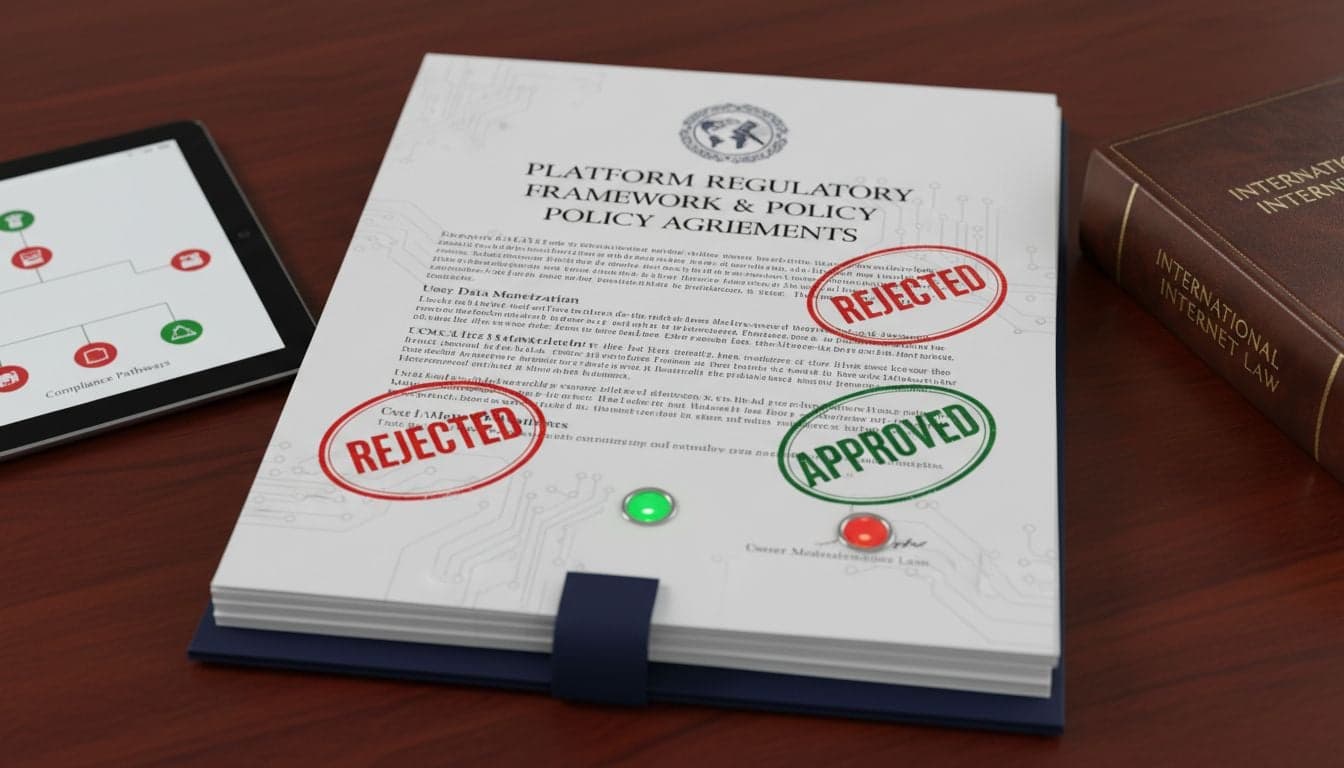
Platform policies for AI-generated video content have evolved dramatically in 2026. YouTube now requires specific metadata tags for AI content, TikTok has implemented automated detection systems, and Instagram has introduced new disclosure guidelines that affect monetization eligibility.
Content creators using AI tools like Vexub need to understand exactly how each platform treats AI-generated videos. The rules vary significantly — what works on YouTube might violate TikTok's guidelines. This guide breaks down the current monetization policies for AI video content across all major platforms.
Compliance isn't just about avoiding penalties. Platforms actively reward creators who follow disclosure guidelines with better algorithmic distribution and higher monetization rates. Transparency has become a competitive advantage.
YouTube AI Video Monetization Policy 2026
YouTube updated its AI content policy in January 2026, introducing mandatory disclosure requirements for all synthetically generated media. The platform distinguishes between AI-assisted content (human-created with AI tools) and fully AI-generated content (minimal human input).
Disclosure Requirements
Creators must check the 'altered or synthetic content' box in YouTube Studio when uploading AI-generated videos. This applies to:
Synthetic voices: AI voiceovers, including cloned voices or text-to-speech narration
AI-generated visuals: Images, video clips, or animations created by AI models
Deepfakes or realistic alterations: Any content that could mislead viewers about authenticity
AI scripts: Content where AI generated the primary narrative or storyline
Failure to disclose results in a three-strike system. First violation: warning and educational module. Second violation: 90-day monetization suspension. Third violation: permanent removal from the YouTube Partner Program.
Monetization Eligibility
AI-generated content remains fully eligible for monetization through YouTube's Partner Program, provided creators meet standard requirements: 1,000 subscribers, 4,000 watch hours (or 10 million Shorts views), and proper disclosure. However, YouTube now applies stricter review to AI content in sensitive categories.
Restricted monetization applies to AI content depicting: real people without consent, medical advice, financial advice, or content that could mislead viewers about current events. These videos may show limited or no ads.
Create videos like this with AI
Script, voiceover, images and subtitles — automated in minutes.
TikTok AI Content Rules and Creator Fund Eligibility
TikTok implemented the most aggressive AI content policy among major platforms. As of March 2026, all AI-generated videos must include the platform's built-in 'AI-generated' label, accessible through the posting interface. The label appears as a small icon in the corner of videos.
Automated Detection System
TikTok deployed an automated detection system that scans uploads for AI characteristics. The system analyzes: voice patterns, visual artifacts common in AI-generated images, frame consistency, and metadata signatures from known AI tools. Videos flagged by the system face mandatory human review before publication.
Creators who consistently fail to label AI content face account restrictions. After three unlabeled AI videos, TikTok reduces account reach by approximately 60% for 30 days and temporarily suspends Creator Fund earnings.
Creator Fund and AI Content
TikTok's Creator Fund accepts AI-generated content with specific conditions:
Original AI generation: Content must be originally created by the account owner, not reposted
Substantial human input: Creators must demonstrate creative direction, editing, or original scripting
No impersonation: AI voices cannot impersonate real people without explicit permission
Proper labeling: All AI content must use the platform's official label
TikTok pays AI content at the same rate as traditional content when these conditions are met. However, videos that trigger the automated detection system without proper labeling receive zero Creator Fund earnings for 14 days, even after retroactive labeling.
Create videos like this with AI
Script, voiceover, images and subtitles — automated in minutes.
Instagram and Facebook AI Video Policies
Meta unified AI content policies across Instagram and Facebook in February 2026. The company requires in-post disclosure for AI-generated content, separate from caption text. This disclosure appears as a tag above the content, similar to paid partnership labels.
Disclosure Implementation
Instagram creators apply the 'Made with AI' label through the advanced settings menu before posting. The label is mandatory for:
Reels featuring AI-generated video clips or animations
Posts with AI-created images as primary content
Videos using AI voiceovers or synthetic audio
Stories containing AI-generated visual elements
Meta's policy distinguishes between enhancement tools (filters, basic editing) and generative AI. Standard filters and editing apps don't require disclosure. AI tools that create new visual content do.
Monetization Through Reels Bonuses
Instagram's Reels Play bonus program accepts AI-generated content without penalties. Meta explicitly states that creation method doesn't affect bonus eligibility — only engagement metrics matter. Creators using Vexub to generate Reels content report no difference in bonus payments compared to traditional video.
However, AI content in sensitive categories faces limited distribution. Meta restricts reach for AI-generated content depicting: political figures, medical procedures, financial advice, or news events. These videos appear less frequently in Explore and Reels feeds.
Brand Collabs Manager, Instagram's official sponsorship platform, requires additional disclosure for AI content in branded partnerships. Creators must inform partners that content uses AI generation before campaign agreements. Meta recommends including this information in media kits.
Cross-Platform Compliance Strategies
Managing AI disclosure across multiple platforms requires systematic processes. Successful creators develop workflows that ensure compliance without slowing production. The key is building disclosure into the creation process, not treating it as an afterthought.
Universal Disclosure Checklist
Before publishing AI-generated content on any platform:
Verify platform-specific disclosure requirements for current month (policies update frequently)
Apply official platform labels where available (YouTube checkbox, TikTok label, Instagram tag)
Add verbal disclosure in video content for YouTube (recommended but not required)
Document AI tools used and creative process for potential platform reviews
Save original project files showing human input and creative decisions
This documentation proves valuable during monetization reviews. Platforms increasingly request proof of substantial human contribution for AI content in sensitive categories. Project files from tools like Vexub, showing editing decisions and creative direction, satisfy these requests.
Platform-Specific Optimization
Each platform's algorithm treats AI disclosure differently. YouTube shows no evidence of algorithmic penalties for properly disclosed AI content. TikTok's algorithm appears to slightly favor traditional content in the For You feed, but the difference is marginal (approximately 5-8% lower reach). Instagram shows no algorithmic preference either way.
For maximum reach across platforms, creators should: customize thumbnails and titles for each platform rather than cross-posting identical content, add platform-specific value (different angles, exclusive segments, or platform-relevant commentary), and engage with community feedback about AI disclosure to build trust.
Copyright and Licensing Considerations
Platform monetization policies intersect with copyright law in complex ways. AI-generated content raises questions about ownership, fair use, and derivative works. Understanding these issues prevents monetization problems down the line.
Most AI video generators, including Vexub, grant users commercial usage rights to generated content. However, platforms may still demonetize videos if they contain copyrighted training data or closely resemble existing copyrighted works. This typically occurs with AI-generated music or voice clones of celebrities.
Safe practices include: using AI voices that don't impersonate specific individuals, generating original music rather than AI recreations of copyrighted songs, creating unique visual content rather than requesting AI to copy specific artistic styles, and documenting the original creative prompts and editing process.
For detailed guidance on copyright issues, see our comprehensive guide on AI video copyright and what creators must know.
Ethical Disclosure Beyond Platform Requirements
Platform policies set minimum requirements, but ethical creators often exceed them. Transparency builds audience trust, which directly impacts long-term monetization success. Viewers who understand and appreciate AI content creation become more engaged, loyal subscribers.
Best practices for ethical AI disclosure include: mentioning AI tools in video descriptions, explaining the creative process in occasional behind-the-scenes content, being upfront about using platforms like Vexub to generate videos, and responding honestly to viewer questions about production methods.
Creators who proactively discuss their AI workflow report higher engagement rates and stronger community connections. Viewers appreciate understanding the production process, especially when creators explain how AI tools enable them to produce more content or explore creative ideas that wouldn't be feasible with traditional methods.
For broader context on maintaining ethical standards with AI content, our article on ethics of AI-generated video content provides detailed guidelines and case studies.
Future Policy Trends to Watch
Platform AI policies continue evolving rapidly. Based on policy updates, platform announcements, and regulatory developments, several trends will likely shape 2026-2027:
Automated disclosure systems: Platforms will increasingly auto-detect and auto-label AI content, reducing creator burden
Tiered AI categories: Platforms may distinguish between different AI generation levels, affecting monetization rates
Verification programs: Premium verification for AI creators who consistently follow best practices and maintain transparency
Regional variations: EU and Asian markets may impose stricter requirements than US markets
Creators who stay informed and adapt quickly maintain monetization advantages. Following platform creator blogs, joining official creator communities, and monitoring policy update announcements ensures compliance with new requirements before they become mandatory.
The landscape favors creators who view AI disclosure as an opportunity for differentiation rather than a burden. As AI content becomes ubiquitous, audiences increasingly value creators who explain their processes, demonstrate expertise with AI tools, and maintain transparent communication about production methods.
Frequently Asked Questions
Can I monetize AI-generated content on YouTube in 2026?
Yes. AI-assisted and AI-generated content remain eligible for the YouTube Partner Program as long as the content offers original value, is not mass-produced or repetitive, and you toggle the 'altered or synthetic content' disclosure in YouTube Studio when relevant. What YouTube cracks down on is inauthentic content (formulaic, low-effort, machine-feeling videos) — not the use of AI per se.
What is YouTube's inauthentic content policy?
In 2026 YouTube renamed its 'repetitious content' guideline to 'inauthentic content'. The scope broadened from spam detection to any channel built on mass-produced templates, recycled clips, slideshows with no narrative, or scripts read verbatim from external sources. The goal is to demonetize content that feels machine-made even if technically allowed by other rules.
Do I need to disclose AI usage on YouTube?
Yes, for any video that includes synthetic voices, AI-generated visuals, deepfakes or realistic alterations, or AI-written scripts where AI generated the primary narrative. You disclose by checking 'altered or synthetic content' in YouTube Studio when uploading. Failure to disclose triggers a three-strike system: warning, 90-day monetization suspension, then permanent YPP removal.
What gets demonetized under the 2026 policy?
Three buckets get hit hardest: (1) readings of materials you did not create, such as text from websites or news feeds read verbatim, (2) mass-produced templates reused across multiple videos with the same structure, (3) image slideshows or scrolling text with no meaningful commentary, narrative or explanation. AI-narrated videos with stock footage and no human point of view fall into bucket 2 and lose monetization fast.
Do TikTok and Instagram have the same AI content rules as YouTube?
Different rules but similar direction. TikTok uses automated detection plus a self-disclosure tag for AI-generated media and ties Creator Fund eligibility to disclosure compliance. Instagram and Facebook follow Meta's policy: AI-generated visuals must be labelled, and monetization through Reels bonuses depends on disclosure. None of the three platforms ban AI per se, but all three penalize undisclosed AI and inauthentic content.
Can wildlife, nature or other niche AI channels still earn revenue?
Yes, when the content adds genuine context — narration, expert insight, original framing or commentary. Pure stock-footage compilations with AI voiceover and no point of view fall under inauthentic content and get demonetized. Channels that pair AI tools with a human angle (a hosted POV, original research, unique editing) consistently keep monetization.
How do I label AI content in YouTube Studio?
During upload, expand the 'Details' section, scroll to 'Altered content', and toggle on 'altered or synthetic content' for the relevant categories: makes a real person appear to say or do something they did not, alters footage of a real event or place, or generates a realistic-looking scene that did not actually occur. Stylized AI animations and beauty filters generally do not require the toggle.
Will AI disclosure hurt my reach or monetization rates?
No measurable negative impact on reach when content quality is high. YouTube has stated that disclosure does not affect ranking, and creator data in 2026 shows disclosed AI content earning RPM rates comparable to non-AI content in the same niche. What hurts reach is being caught hiding AI usage — that triggers demotion plus the strike system.