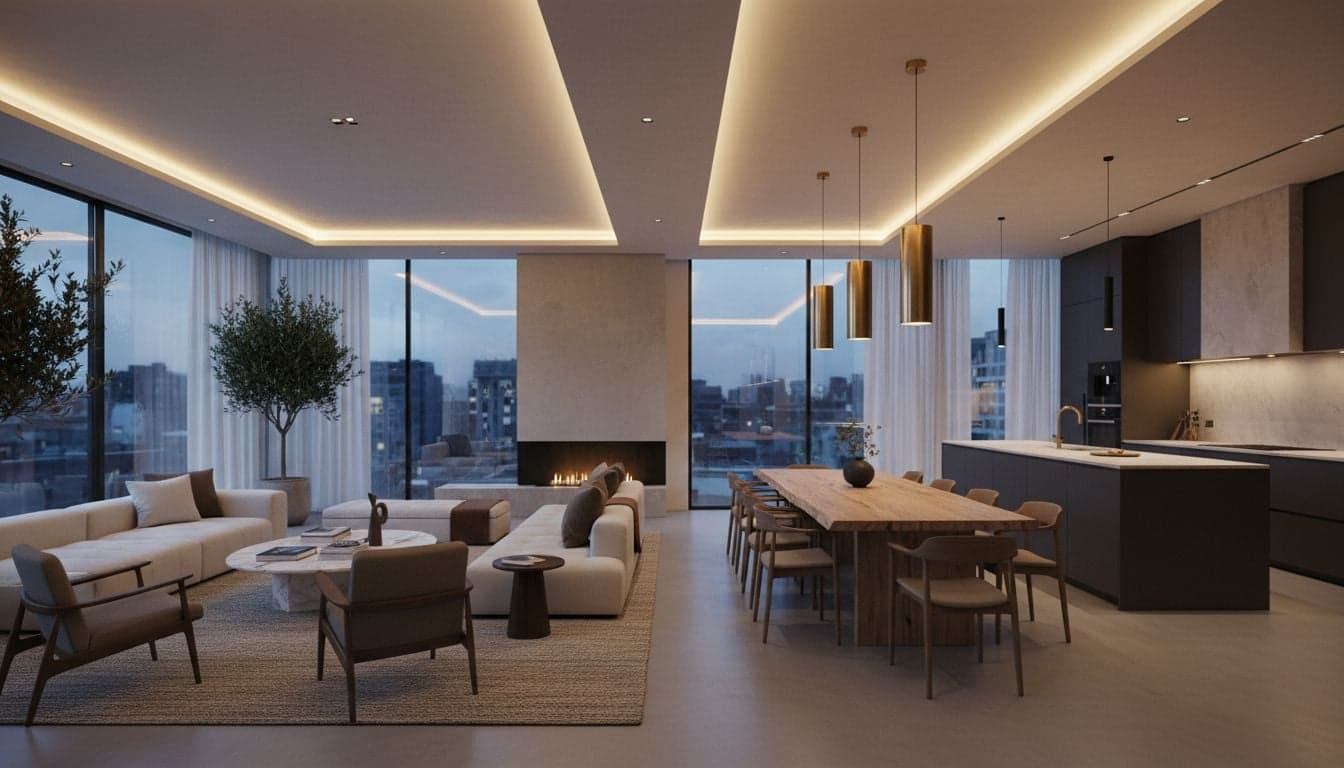
Interior designers face a unique challenge: showcasing spatial transformations and design details through static images alone. While photography captures beautiful moments, it fails to convey the full experience of walking through a transformed space or understanding how light shifts throughout the day.
AI video creation has changed this equation entirely. Designers now produce professional portfolio videos, client presentations, and social media content without expensive videography equipment or editing expertise. The technology transforms before-and-after photos, design renderings, and project documentation into compelling visual narratives that close more deals and attract ideal clients.
This transformation isn't just about prettier marketing materials. It's about communicating your design vision in the format modern clients actually consume. Video content receives 1200% more shares than text and images combined, and design portfolios presented as video achieve 49% higher engagement rates than traditional PDF portfolios.
Why Interior Design Video Portfolio Works
The human brain processes visual information 60,000 times faster than text. For interior designers, this neurological reality creates a massive advantage. When potential clients scroll through social media or browse your website, video content stops the scroll and communicates your design aesthetic within seconds.
Traditional portfolio formats require clients to imagine the transformation. They flip through before-and-after photos, trying to mentally reconstruct the project timeline and understand your design decisions. Video removes this cognitive load by showing the complete transformation as a seamless narrative.
Immediate credibility: Professional video content signals that you're an established designer who invests in quality presentation. This perception matters when competing for high-value residential or commercial projects.
Emotional connection: Video with music and smooth transitions creates emotional resonance that static images cannot match. Clients don't just see your work—they feel the transformation.
SEO advantages: Websites with video content rank 53 times higher in Google search results. Your portfolio becomes discoverable by clients actively searching for interior designers in your area.
Social media performance: Instagram, TikTok, and LinkedIn algorithms heavily favor video content. Design portfolio videos regularly achieve 5-10x the reach of photo posts.
The shift toward video marketing strategies has been particularly pronounced in design industries. Clients expect to see your work in motion, and competitors who fail to adapt lose market share to designers who embrace video presentation.
Creating Design Portfolio Videos with AI
AI video generation eliminates the traditional barriers to video content creation. You don't need to shoot video during installations, hire a videographer, or spend hours learning complex editing software. Instead, you work with the assets you already have: project photos, design renderings, and client testimonials.
The process starts by organizing your best project photos chronologically. Most successful design portfolio videos follow a simple structure: establish the challenge, show the transformation process, reveal the final result. This narrative arc works because it mirrors how clients think about their own spaces.
Selecting Your Best Projects
Not every project deserves video treatment. Choose projects that demonstrate your unique value proposition and appeal to your ideal client profile. A luxury residential designer creates different portfolio content than a commercial office space specialist.
Visual transformation: Select projects with dramatic before-and-after contrasts. Subtle refinements may be artistically satisfying but don't create compelling video content.
Diverse spaces: Showcase your versatility across different room types, design styles, and project scales. This breadth demonstrates capability while allowing viewers to find something that resonates with their specific needs.
Recent work: Prioritize projects from the last 18-24 months. Design trends evolve, and clients want to see your current aesthetic, not your portfolio from five years ago.
Photography quality: AI can enhance images, but starting with well-lit, professionally composed photos produces superior results. If you lack quality project photos, this becomes your next investment.
Structuring Your Portfolio Video
The most effective interior design videos follow a three-act structure that maintains viewer attention from start to finish. Each segment serves a specific purpose in communicating your design expertise.
Act 1 - The Challenge (15-20%): Open with before photos that establish the problem. Show awkward layouts, dated finishes, or underutilized spaces. This creates tension and makes the transformation more impressive. Include 2-3 seconds per before photo, just enough to register the issues.
Act 2 - The Process (20-30%): If you have progress photos or design renderings, incorporate them here. This middle section demonstrates your problem-solving approach and builds anticipation for the reveal. Many designers skip this section, but it differentiates you from competitors by showcasing how you think, not just what you create.
Act 3 - The Transformation (50-60%): The final reveal deserves the majority of your runtime. Slow down here. Give viewers time to appreciate details, notice how different areas of the space work together, and imagine themselves in the transformed environment. Include 4-6 seconds per final photo.
Create videos like this with AI
Script, voiceover, images and subtitles — automated in minutes.
AI Tools for Interior Design Video Creation
Vexub specializes in transforming static images into professional video content through AI-powered workflows. The platform handles technical complexity—transitions, timing, aspect ratios, music selection—while you focus on creative decisions about which projects to showcase and how to tell your design story.
The AI analyzes your uploaded images and automatically generates smooth transitions between photos. This prevents the jarring cuts that characterize amateur video slideshows. The panning and zooming effects direct viewer attention to specific design details: a custom lighting fixture, an unexpected color combination, or clever storage solutions.
Music Selection for Design Videos
Audio dramatically impacts how viewers perceive your work. Upbeat music creates energy and suggests a fun, approachable design style. Minimal ambient music communicates sophistication and high-end luxury. The wrong music choice can completely undermine your visual presentation.
AI video platforms like Vexub provide curated music libraries organized by mood and genre. For interior design content, focus on instrumental tracks that complement rather than compete with your visuals. Avoid music with vocals, as lyrics distract from the design story you're telling.
Modern residential: Light electronic, indie pop instrumentals, acoustic guitar
Luxury commercial: Orchestral, minimalist piano, sophisticated jazz
Boutique retail: Upbeat pop instrumentals, energetic electronica
Traditional/classic: Classical chamber music, elegant strings
Optimizing Video Length
Platform determines ideal video length. Instagram Reels perform best at 15-30 seconds. YouTube allows longer-form content where 60-90 second portfolio videos thrive. LinkedIn audiences engage with 45-60 second videos that balance professionalism with conciseness.
Create multiple versions of the same project video optimized for different platforms. Use your full 90-second version on your website and YouTube channel. Cut a punchy 20-second version highlighting just the most dramatic transformation for Instagram and TikTok. This multi-platform approach maximizes reach without creating entirely separate content.
Client Presentation Videos
Beyond portfolio marketing, AI video serves a critical function in client presentations. When proposing a new project, create a mood video that combines inspiration images, material samples, and preliminary design concepts. This presentation format helps clients visualize your vision before construction begins.
Traditional design presentations involve boards with fabric swatches, paint chips, and furniture photos. Clients struggle to synthesize these disparate elements into a cohesive vision. A presentation video sequences these materials as a flowing narrative, showing how different elements work together to create the intended atmosphere.
Reduce revision cycles: When clients clearly understand your design direction upfront, they request fewer changes during implementation. This saves time and improves project profitability.
Justify pricing: Professional presentation videos signal expertise and justify premium pricing. The investment in quality presentation materials correlates directly with perceived project value.
Win competitive bids: When competing against other designers for a project, superior presentation quality often determines the winner. Video presentations demonstrate technological sophistication and attention to detail.
Similar techniques apply across related industries. Real estate professionals use AI video to showcase properties with virtual staging and neighborhood tours, demonstrating the broad applicability of these content creation strategies.
Social Media Marketing with Design Videos
Instagram and TikTok have become primary discovery platforms for interior designers. The algorithm heavily favors video content, meaning photo-only accounts reach a fraction of their potential audience. Designers who consistently post video content report 3-5x follower growth compared to those posting only photos.
The key to social media success lies in consistent content production. Posting once per month doesn't build an audience. You need 3-5 videos per week to maintain algorithmic visibility and top-of-mind awareness with your target audience.
Content Themes That Perform
Variety prevents audience fatigue while demonstrating your range as a designer. Develop a content calendar that rotates through different video types:
Before and after reveals: The classic transformation video. These consistently perform well because they satisfy our innate love of dramatic change. Create one per week featuring different rooms or project types.
Design tips and tutorials: Short educational videos establishing thought leadership. Examples: 'Three ways to make a small bedroom feel larger' or 'How to choose the right rug size for your living room.'
Behind-the-scenes process: Show yourself shopping for materials, meeting with contractors, or reviewing design plans. This builds personal connection and demystifies the design process.
Trend analysis: Commentary on emerging design trends. Position yourself as an expert who stays current with industry developments.
Client testimonials: Record brief client interviews or convert written testimonials into video format with project photos. Social proof builds trust with potential clients.
Platform-Specific Optimization
Each social platform has unique characteristics that affect video performance. Instagram Reels favor vertical 9:16 videos with trending audio. TikTok rewards authentic, less polished content over overly produced videos. LinkedIn prefers professional, informative content that provides genuine business value.
Vexub allows you to generate the same core content in multiple aspect ratios and durations. Create your master version, then automatically generate platform-optimized variations without manual re-editing. This efficiency makes multi-platform presence sustainable for solo designers and small firms.
Measuring ROI from Design Video Content
Video marketing investment must generate measurable business results. Track specific metrics that correlate with actual client acquisition and project bookings, not vanity metrics like total views or likes.
Website traffic: Monitor how video content drives visitors to your website. Google Analytics shows which videos generate the most referral traffic and whether those visitors explore additional pages or immediately bounce.
Consultation requests: The ultimate metric. Track how many consultation requests or project inquiries you receive and correlate timing with video posting frequency. Most designers see a 2-3 day lag between video publication and inquiry spikes.
Email list growth: Video content with strong calls-to-action builds your email list. Track signup sources to identify which videos most effectively convert viewers into subscribers.
Project quality: Beyond quantity, assess whether video marketing attracts better-fit clients. Higher budget projects, clearer design briefs, and fewer revision requests indicate that your video content successfully communicates your value proposition to ideal clients.
Common Mistakes Interior Designers Make
Even with powerful AI tools, several pitfalls undermine video marketing effectiveness. Awareness prevents these common errors:
Over-editing: Adding too many transitions, effects, or text overlays creates visual chaos. Clean, simple presentations let your design work speak for itself.
Inconsistent branding: Each video should feel cohesively part of your brand identity. Use consistent intro sequences, color grading, and music styles to build recognition.
Missing calls-to-action: Every video should guide viewers toward a next step: visit your website, follow your account, book a consultation. Videos without CTAs waste opportunities.
Poor photo quality: AI cannot fix fundamentally poor photography. Invest in proper project documentation or hire a professional photographer for completed projects.
Ignoring captions: 85% of video plays on social media happen with sound off. Always add captions to ensure your message lands even in silent viewing.
The Future of Interior Design Marketing
AI video technology continues advancing rapidly. Emerging capabilities include AI-generated virtual staging that places furniture in empty rooms, style transfer that applies your design aesthetic to client photos, and predictive rendering that shows how materials age and patina over time.
Early adopters gain disproportionate advantages. As AI video becomes standard practice across the design industry, those who built audiences and refined their video content strategies will dominate their markets. Competitors who delay adoption will struggle to catch up once video content becomes table stakes rather than differentiator.
The barrier to entry has never been lower. You don't need expensive equipment, technical expertise, or significant time investment. With platforms like Vexub, any interior designer can produce portfolio videos, client presentations, and social media content that rivals agencies with six-figure production budgets.
Your existing project photos represent untapped marketing assets. Each completed project contains the raw material for multiple videos: transformation stories, design detail spotlights, style guides, and client testimonials. The question isn't whether you have enough content—it's whether you'll activate the content you already possess.