Restaurant owners spend an average of 8-12 hours weekly managing social media, yet 73% report inconsistent posting schedules. AI video generation transforms this challenge into an opportunity, enabling restaurants and cafes to produce daily content in minutes rather than hours.
The numbers tell a compelling story: restaurants using video content see 34% higher reservation rates and 41% more customer engagement than those relying solely on static images. As diners increasingly discover new restaurants through TikTok and Instagram, video marketing has shifted from optional to essential.
This guide reveals how AI video tools streamline content creation for food businesses, from automated menu showcases to behind-the-scenes glimpses that build authentic connections with your community.
Why Video Marketing Matters for Restaurants
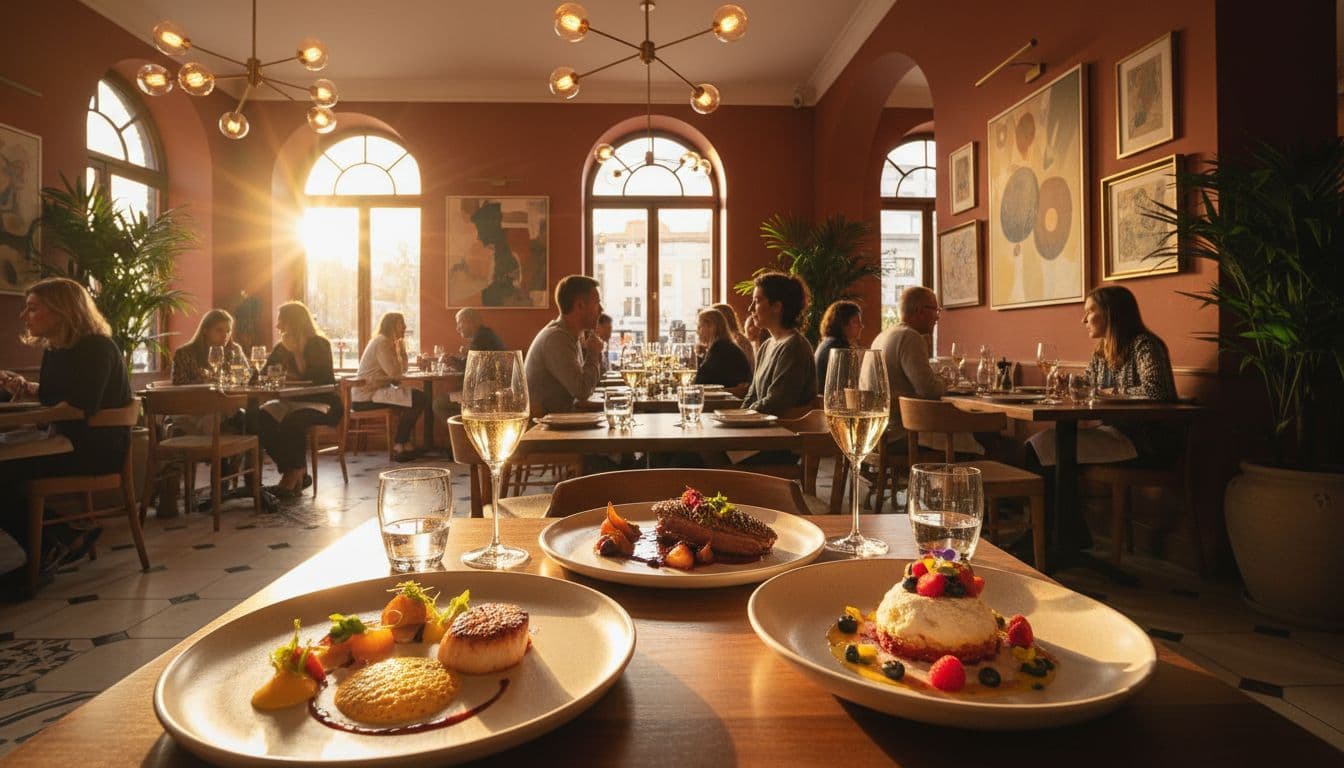
Video content drives measurable results for food businesses. A single menu item video generates 3x more clicks than photo posts, while Instagram Reels featuring restaurant atmospheres receive 22% higher save rates than traditional stories.
The restaurant industry faces unique marketing challenges. Traditional food photography requires professional equipment, perfect lighting, and hours of editing. AI video generation eliminates these barriers, allowing restaurants to maintain consistent social media presence without hiring dedicated content teams.
Increased foot traffic: Restaurants posting 4-5 weekly videos report 28% more walk-in customers compared to those posting irregularly.
Menu discovery: Video showcases of daily specials convert 3.2x better than text-based announcements.
Brand loyalty: Behind-the-scenes content creates emotional connections, with 67% of viewers saying they feel more loyal to restaurants sharing their story.
Cost efficiency: AI-generated videos cost $0.10-$2 per video versus $150-$500 for professional videography.
Types of Restaurant Videos That Drive Engagement
Different video formats serve distinct marketing objectives. Understanding which content types resonate with your audience maximizes return on creative effort.
Menu Item Showcases
Close-up videos of signature dishes generate the highest engagement rates in the restaurant category. These videos work best at 15-30 seconds, featuring the dish from multiple angles with smooth transitions.
AI tools excel at creating these showcases by combining your food photography with dynamic camera movements, text overlays highlighting ingredients, and trending audio tracks. The key is showing the dish's appeal without requiring professional video equipment.
Daily Special Announcements
Time-sensitive content drives urgency. A cafe posting daily special videos at 7 AM sees 4x higher morning traffic than competitors relying on static menu boards. These videos require minimal editing—just consistent formatting and clear messaging.
Behind-the-Scenes Content
Kitchen preparation, staff introductions, and ingredient sourcing videos humanize your brand. These authentic glimpses build trust, with 82% of diners saying they prefer restaurants that show their food preparation process.
Vexub's AI video generator transforms written scripts about your kitchen processes into engaging visual narratives, complete with relevant stock footage and professional voiceovers that maintain your brand voice.
Customer Testimonial Videos
Social proof influences dining decisions. Converting customer reviews into video testimonials increases their impact by 89%. AI tools can animate text reviews over ambient restaurant footage, creating compelling social proof without extensive video editing skills.
Create videos like this with AI
Script, voiceover, images and subtitles — automated in minutes.
Creating Restaurant Videos with AI Tools
Traditional video production demands significant time investment—filming, editing, adding captions, and optimizing for each platform. AI video generators compress this workflow into minutes.
The process starts with your concept: a new menu item, a seasonal promotion, or a brand story. Instead of coordinating with videographers, you input text descriptions or upload existing photos. The AI handles scene composition, transitions, music selection, and caption placement.
Step-by-Step AI Video Creation Workflow
Content planning: List your weekly video ideas—Monday lunch special, Wednesday chef spotlight, Friday happy hour promotion. This consistency builds audience expectations.
Asset preparation: Gather high-quality photos of dishes, restaurant interior shots, and any existing customer content (with permission). These serve as visual anchors for AI-generated videos.
Script development: Write concise descriptions for each video concept. Example: 'Pan sears salmon fillet, adds lemon butter sauce, plates with roasted vegetables and fresh herbs.' The AI uses this to generate appropriate visuals and narration.
Generation and customization: Input your script into the AI tool, select style preferences (modern, rustic, elegant), and generate the video. Review and adjust timing, music, or transitions as needed.
Platform optimization: Export in formats optimized for each platform—vertical for TikTok and Instagram Reels, square for Instagram feed, horizontal for YouTube.
Optimizing Videos for Food Content
Food videos follow specific best practices that maximize appeal. The first 2 seconds determine whether viewers keep watching, so lead with your most visually striking element—melted cheese stretching, a knife cutting through a perfectly cooked steak, or steam rising from fresh pasta.
Color grading significantly impacts food appeal. AI tools can automatically enhance warm tones (reds, oranges, yellows) that make dishes appear more appetizing. This subtle adjustment increases engagement rates by up to 18% in food content.
Sound design matters even on muted autoplay. When viewers unmute, sizzling sounds, knife chops, or ambient restaurant noise create immersive experiences. Many AI video generators include relevant audio effects in their libraries.
Building a Restaurant Social Media Strategy with Video
Random posting yields random results. Strategic video marketing follows a structured approach that aligns content with business objectives and customer behavior patterns.
Successful video marketing strategies for restaurants balance promotional content with value-driven posts. The 60-30-10 rule proves effective: 60% educational or entertaining content, 30% community-building posts, and 10% direct promotions.
Content Calendar Framework
Plan video content around weekly rhythms and seasonal events. A typical week might include:
Monday: Weekly menu highlights or chef's recommendation
Wednesday: Behind-the-scenes preparation or staff spotlight
Friday: Weekend specials or reservation reminders
Sunday: Customer testimonials or community engagement
This consistency builds audience habits. Followers anticipate your content, increasing view rates and engagement over time.
Platform-Specific Strategies
Each social platform serves different discovery patterns. Instagram users browse during meal planning hours (10-11 AM, 5-7 PM), while TikTok food content peaks during lunch breaks and evening scrolling sessions.
TikTok favors entertainment and trend participation. Restaurant videos incorporating popular audio tracks receive 3x more distribution than those using generic background music. The faceless cooking channel approach works particularly well here, focusing entirely on food preparation without showing faces or restaurant branding until the end.
Instagram Reels and Stories drive immediate action. These videos should include clear calls-to-action: 'Reserve your table for weekend brunch' or 'Try our new spring menu available this week.' Direct language converts browsers into customers.
Measuring Restaurant Video Marketing Results
Analytics reveal which content drives actual business outcomes. Vanity metrics like view counts matter less than conversion metrics—reservation increases, menu item orders, or website traffic.
Track video performance against specific business goals. If your objective is increasing lunch traffic, measure how Monday lunch special videos correlate with Tuesday-Thursday lunch reservations. Most restaurants find a 2-3 day lag between video posting and measurable impact.
Key Performance Indicators for Food Videos
Engagement rate: Likes, comments, and shares relative to follower count. Food content averaging 4-7% engagement performs well.
Save rate: Instagram saves indicate purchase intent. Menu videos with 8%+ save rates typically drive measurable order increases.
Click-through rate: How many viewers visit your website or reservation system. Optimize for 2-5% CTR by including clear links in bios and captions.
Cost per acquisition: For paid promotion, track cost to acquire a new customer. Restaurant video ads averaging $3-$8 per new customer perform efficiently.
Most AI video platforms include built-in analytics showing which generated videos perform best, allowing you to refine your content strategy based on actual data rather than assumptions.
Scaling Video Production Without Expanding Your Team
The breakthrough advantage of AI video generation is scalability. A single person can produce 20-30 videos weekly using AI tools—output that would require a full production team using traditional methods.
Batch production maximizes efficiency. Dedicate one 90-minute session weekly to creating your entire week's video content. Write all scripts in one sitting, generate videos sequentially, and schedule posts across platforms. This approach reduces context-switching and maintains creative consistency.
Template systems accelerate production further. Create 5-7 video templates for recurring content types—menu specials, staff introductions, customer reviews, seasonal promotions. Each template establishes visual style, music preferences, and caption formatting. New videos simply require updating the specific content while maintaining your brand's consistent look.
Restaurants using AI video tools report 68% reduction in content creation time while posting 3x more frequently. This efficiency lets small cafe owners compete with restaurant chains that have dedicated marketing departments.
The investment in AI video creation tools pays for itself within weeks through increased customer acquisition. Most restaurants recoup their monthly subscription cost with 3-5 additional reservations driven by video content.
Authentic Brand Building Through Video
AI-generated content raises authenticity concerns, but the most successful restaurant videos balance automation with genuine personality. The tool handles technical production while you provide the unique voice and perspective that differentiates your establishment.
Your competitive advantage lies in local knowledge, culinary expertise, and community relationships—elements no AI can replicate. Use video to showcase your chef's unique preparation techniques, your sourcing relationships with local farms, or your restaurant's role in neighborhood events.
Customer-generated content amplifies authenticity. Encourage diners to tag your restaurant in their food videos, then incorporate these clips into your marketing with permission. This social proof outperforms branded content, with user videos driving 4x higher trust scores.
Vexub enables restaurants to maintain consistent video output while preserving authentic voice. The platform's customization options ensure AI-generated videos reflect your brand personality rather than generic corporate messaging. Your stories, your food, your community—just automated production.