Cooking channels dominate YouTube with billions of monthly views, but traditional recipe content requires expensive equipment, professional lighting, and countless hours filming in your kitchen. A faceless cooking channel eliminates these barriers entirely—you never appear on camera, yet you create engaging recipe content that attracts subscribers and generates revenue.
AI technology has transformed how creators produce cooking content. You can now generate professional recipe videos with AI-created visuals, natural voiceovers, and polished editing without owning a camera or stepping into frame. Channels using this approach are gaining millions of views monthly, proving that audiences care about the recipe, not the chef's face.
This guide walks through the complete process of building a faceless cooking channel using AI tools, from choosing your niche to publishing your first video and growing your audience.
Why Faceless Cooking Channels Work
The cooking niche generates massive engagement on YouTube. People search for specific recipes, cooking techniques, and meal ideas daily—creating consistent traffic for channels that provide value. A faceless YouTube channel in this niche offers several advantages:
Lower production costs: No filming equipment, kitchen setup, or wardrobe required.
Privacy protection: Build a brand without revealing your identity or personal space.
Scalable content: Create multiple videos weekly without physical filming limitations.
Global appeal: AI voiceovers support multiple languages, expanding your potential audience.
Consistent quality: AI-generated visuals maintain professional standards across all videos.
Successful faceless cooking channels focus on specific angles: quick weeknight dinners, desserts without ovens, college dorm recipes, or cultural cuisine. The key is delivering genuine value through clear instructions and appetizing visuals, regardless of format.
Choosing Your Cooking Channel Niche
Generic cooking channels struggle against established competitors with millions of subscribers. Your faceless channel needs a specific angle that attracts a dedicated audience. Consider these proven niches:
Recipe-Focused Niches
5-ingredient meals: Simple recipes appeal to busy viewers seeking quick solutions.
One-pot dishes: Minimal cleanup resonates with home cooks avoiding kitchen chaos.
Air fryer recipes: Trending appliance creates strong search demand for new recipe ideas.
Desserts without baking: No-oven treats attract viewers in dorms, small apartments, or summer months.
Meal prep guides: Batch cooking content helps viewers save time and money.
Audience-Specific Niches
College cooking: Budget-friendly recipes for small kitchens and limited equipment.
Kids' meals: Nutritious recipes parents can make for picky eaters.
Fitness meals: High-protein, macro-friendly recipes for gym enthusiasts.
Regional cuisine: Authentic recipes from specific cultures or countries.
Dietary restrictions: Vegan, keto, gluten-free, or allergy-friendly cooking.
Research your chosen niche on YouTube. Check search volume for related keywords, analyze competitor channels, and identify gaps in existing content. A well-defined niche helps you rank in search results and build a loyal subscriber base.
Creating Your First AI Cooking Video
Production starts with a solid recipe and clear script. Write your recipe as if explaining it to a friend—conversational, specific, and encouraging. Include exact measurements, cooking times, and helpful tips that distinguish your content from basic recipe lists.
Writing the Script
Your script structure determines video quality. Start with a hook that immediately tells viewers what they'll learn: "This 10-minute pasta recipe uses only five ingredients and tastes like restaurant quality." Follow this formula:
Hook: State the recipe and key benefit in the first 5 seconds.
Ingredient list: Name each ingredient with quantities—viewers often screenshot this section.
Step-by-step instructions: Break the cooking process into clear, sequential steps.
Pro tips: Share techniques, substitutions, or common mistakes to avoid.
Final result: Describe the finished dish and suggest serving ideas.
Keep scripts between 300-800 words for videos under 5 minutes. Shorter videos perform better for recipe content, especially when viewers are actively cooking and need quick reference.
Generating Visuals with Vexub
Vexub transforms your script into professional cooking videos through AI-generated imagery and smooth transitions. The platform creates appetizing food visuals that match your narration without requiring actual cooking footage. Here's the workflow:
Upload your script to Vexub's text-to-video interface. The AI analyzes your content and generates corresponding visuals—ingredients being prepared, cooking processes, and finished dishes. Customize the style to match your brand: rustic kitchen aesthetic, modern minimalist, or vibrant food photography.
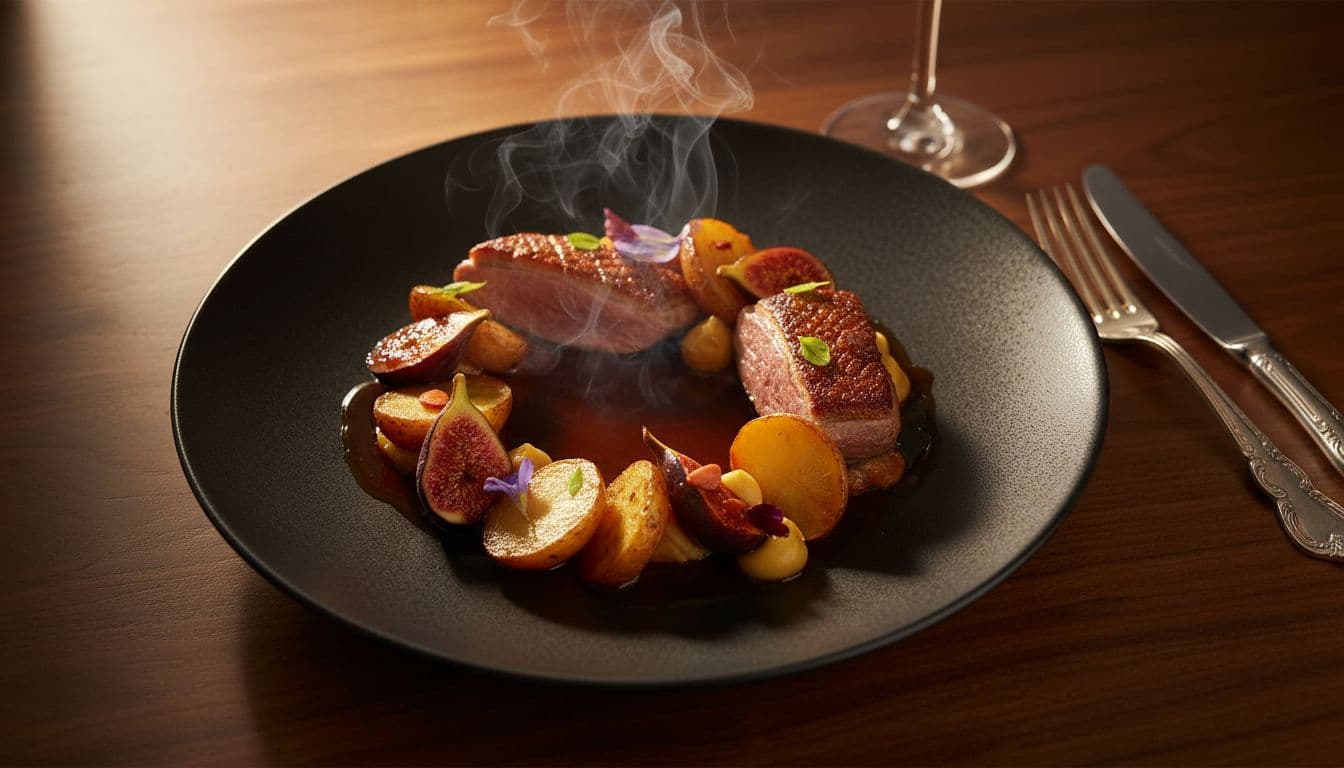
For cooking channels, select image styles that emphasize texture and color. Food content relies heavily on visual appeal—viewers should feel hungry watching your videos. Vexub's AI generates realistic food imagery that looks professional and appetizing.
The platform automatically syncs visuals with your voiceover, ensuring ingredients appear when mentioned and cooking steps display at appropriate moments. This synchronization creates a polished viewing experience without manual editing.
Create videos like this with AI
Script, voiceover, images and subtitles — automated in minutes.
Adding Professional Voiceovers
Voice quality makes or breaks cooking videos. Viewers follow along with instructions, so unclear or robotic narration frustrates the experience. Modern AI voices sound natural, warm, and engaging—perfect for recipe content.
Vexub offers multiple AI voice options with different tones and accents. Choose a voice that matches your target audience: friendly and casual for college cooking, professional and clear for meal prep guides, or warm and nurturing for family recipes.
Some creators record their own voice while others use AI voiceovers exclusively. Both approaches work for faceless channels. If you record personally, your voice remains anonymous while adding authentic personality. AI voices provide consistency and save time, especially when scaling content production.
Learn more about selecting the right voice style in our AI voiceover guide which covers tone, pacing, and audience preferences in detail.
Optimizing Videos for YouTube Search
Recipe content benefits from strong SEO because viewers actively search for specific dishes. Your video title, description, and tags determine whether your content appears in search results.
Title Optimization
Include the recipe name and key benefit in your title. "Easy Chicken Alfredo Recipe (Ready in 15 Minutes)" outperforms "Chicken Pasta" because it specifies the dish and highlights the time-saving benefit. Add relevant keywords naturally without stuffing: "5-Ingredient", "No Oven", "Budget-Friendly", or "Meal Prep".
Thumbnail Design
Cooking thumbnails need three elements: the finished dish photographed beautifully, bold text stating the recipe name, and a visual indicator of the key benefit (clock icon for quick recipes, dollar sign for budget meals). Use bright, high-contrast colors that stand out in YouTube's interface.
Description Best Practices
Write detailed descriptions with the full recipe text, ingredient quantities, and cooking instructions. Many viewers check descriptions before watching videos, so provide immediate value. Include timestamps for major sections: "0:15 - Ingredients", "1:30 - Cooking Instructions", "3:45 - Final Result".
Link to related recipes in your description and cards. If your video covers chocolate cake, link to your frosting tutorial or cookie recipes. These internal links increase session watch time and improve your channel's overall performance.
Scaling Your Content Production
Successful faceless cooking channels publish consistently—2-4 videos weekly maintains momentum and satisfies the algorithm. AI tools make this volume achievable without burning out.
Create content batches by learning how to make AI videos efficiently. Write 5-10 scripts in one session, then generate all videos consecutively. This batch approach reduces context-switching and maintains creative flow.
Content Calendar Strategy
Plan your content around seasonal ingredients, holidays, and trending searches. Pumpkin recipes gain traction in autumn, grilling content peaks in summer, and holiday cookies dominate December. Search Google Trends for your niche to identify upcoming opportunities.
Balance evergreen content with timely videos. Evergreen recipes like "How to Cook Perfect Rice" generate views year-round, while "Valentine's Day Desserts" spike seasonally. A 70/30 split between evergreen and seasonal content provides stable growth with periodic boosts.
Analyzing Performance
Review YouTube Analytics weekly to identify which recipes perform best. Notice patterns in watch time, click-through rate, and average view duration. If 5-minute videos outperform 10-minute content, adjust your production accordingly. If chicken recipes consistently gain more views than vegetarian options, your audience preference is clear.
Monitor comments for recipe requests and questions. Your audience directly tells you what content they want—create videos addressing these requests. Engaged viewers who feel heard become loyal subscribers who watch every upload.
Monetization Strategies Beyond AdSense
YouTube ad revenue provides baseline income, but successful cooking channels diversify earnings through multiple streams. A faceless format doesn't limit your monetization options—it often expands them.
Affiliate marketing: Link to cooking tools, ingredients, or kitchen equipment in descriptions. Amazon Associates, kitchen supply companies, and specialty food retailers offer commission programs. Recommend products you actually use in recipes for authentic endorsements.
Digital products: Sell recipe ebooks, meal planning guides, or cooking courses. Your faceless videos demonstrate your expertise, making viewers willing to purchase deeper resources.
Sponsorships: Food brands partner with cooking channels for product placements. Once you reach 10,000 subscribers, companies may approach you directly or you can pitch relevant brands.
Membership programs: Offer exclusive recipes, early access, or personalized meal plans through Patreon or YouTube memberships.
Licensing content: Media companies and food websites license recipe videos for their platforms. Your faceless format actually simplifies licensing since no personal rights issues exist.
Focus on building an engaged audience before pursuing monetization. Channels with 50,000 active subscribers earn more from diversified streams than channels with 500,000 passive viewers relying solely on ads.
Launching Your Faceless Cooking Channel Today
Starting a faceless cooking channel requires minimal investment—just clear recipes, AI tools, and consistent effort. Choose your specific niche, write your first three scripts, and generate videos using Vexub's AI platform. Upload consistently, optimize for search, and engage with your growing audience.
The cooking niche rewards creators who provide genuine value regardless of format. Your faceless channel can compete with traditional cooking shows because viewers care about learning new recipes, not watching celebrity chefs. Focus on clear instructions, appetizing visuals, and solving real cooking problems your audience faces.
AI technology has removed every technical barrier to creating professional cooking content. The only requirements are understanding your audience, sharing valuable recipes, and publishing consistently. Your faceless cooking channel can start generating views and building a subscriber base within weeks—no kitchen filming required.