In the rapidly evolving landscape of education, harnessing technology effectively can transform learning experiences. AI tools stand at the forefront, offering dynamic solutions for creating educational content that captivates and educates. These tools don't just simplify the content creation process; they enhance the way educational material is delivered and absorbed.
Educators and content creators face the challenge of engaging diverse audiences with varying learning styles. AI-driven tools offer innovative ways to tailor content to these needs, ensuring that educational material is not only informative but also engaging. Let's explore the best AI tools specifically designed to elevate educational content.
Which AI Tools Enhance Educational Content Creation?
AI tools have revolutionized content creation in education by automating tasks, providing insights, and enabling personalized learning experiences. They allow educators to focus more on teaching strategies rather than the mechanics of content creation.
Among the top AI tools, Vexub stands out for its ability to create high-quality video content tailored to educational needs. It offers a seamless way to integrate visuals and narratives, making complex topics more digestible. Another noteworthy tool is Google's Teachable Machine, which facilitates interactive learning by enabling users to create machine learning models without coding.
Vexub:Create engaging educational videos with ease, offering tools that enhance visual storytelling.
Google Teachable Machine:Empower students and educators to create simple machine learning models for interactive learning.
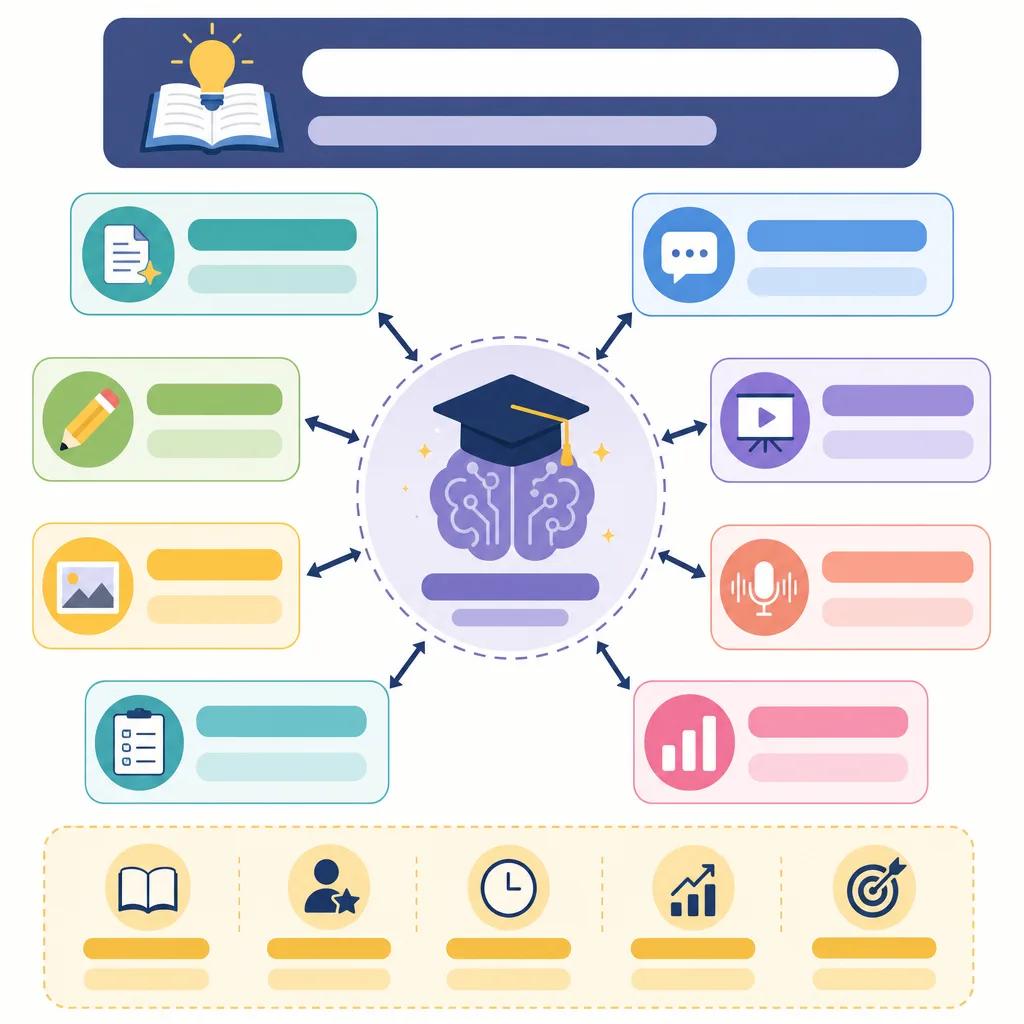
What Makes These AI Tools Stand Out?
The distinguishing factor of these AI tools lies in their adaptability and ease of use. They are designed to cater to educators who may not have extensive technical expertise but still wish to leverage cutting-edge technology in their teaching.
For instance, Vexub simplifies the video creation process, allowing educators to focus on the content rather than the technical aspects. It integrates with various platforms, supporting different formats and making it easier to distribute content across multiple channels. Similarly, tools like Edmodo's AI-driven assessment platform offer personalized feedback, enhancing student engagement and learning outcomes.
Ease of Use:User-friendly interfaces ensure that educators can focus on content rather than technical details.
Adaptability:These tools integrate with other platforms, allowing for seamless content distribution.
How Can AI Tools Personalize Learning?
Personalized learning is a significant advantage offered by AI tools. By analyzing individual student data, these tools can tailor educational content to meet specific learning needs. This approach not only improves comprehension but also keeps students engaged by aligning with their interests and learning pace.
Platforms like Coursera and Khan Academy utilize AI to recommend courses and materials based on user interactions, ensuring that learners receive content that's most relevant to them. This personalization extends to video content as well, where AI can suggest additional resources or quizzes based on the viewer's interactions.
Moreover, AI tools can track progress and adapt learning paths in real-time, offering challenges or support as needed. This dynamic adjustment is crucial for maintaining student motivation and ensuring continuous learning. Explore more about how AI personalizes video content in our article on enhancing educational videos with AI.
Create videos like this with AI
Script, voiceover, images and subtitles — automated in minutes.
What Are the Benefits of Using AI in Educational Content?
Integrating AI into educational content creation offers numerous benefits, from efficiency gains to improved learning outcomes. AI tools can automate repetitive tasks such as grading and content updates, freeing up educators to focus on more strategic activities.
Additionally, AI enhances the quality of educational content by providing insights into student performance and content efficacy. For example, AI analytics can help identify which parts of a lesson are most engaging or where students struggle the most, allowing for targeted improvements.
Efficiency:Automate routine tasks, allowing educators to focus on teaching.
Insightful Analytics:Gain insights into student performance and content effectiveness.
Are AI Tools Accessible for All Educators?
While AI tools offer incredible potential, accessibility remains a key consideration. Many tools provide free or low-cost options for educators, ensuring that even those with limited budgets can benefit from advanced technologies.
Platforms like Vexub offer tiered pricing models, allowing educators to start with basic features and upgrade as needed. This flexibility ensures that all educators, regardless of their institution's financial situation, can access and leverage AI tools effectively.
Furthermore, ongoing support and training are essential to maximize the use of these tools. Many platforms provide resources and workshops to help educators become proficient users. Discover more about how to get started without financial constraints in our guide on how to start a YouTube channel with no money.
Conclusion: Unlocking the Potential of AI in Education
AI tools are transforming the landscape of educational content creation, offering unprecedented opportunities to enhance learning experiences. By personalizing learning, providing insightful analytics, and streamlining content creation, these tools empower educators to deliver more effective and engaging lessons.
As you explore the potential of AI tools, consider platforms like Vexub that specialize in educational content. By integrating these technologies into your teaching strategy, you can unlock new levels of engagement and understanding for your students. Explore further comparisons of AI tools in education in our article on AI video tools comparison for fitness.
The future of education lies in embracing these technologies, ensuring that learning is not only informative but also interactive and enjoyable. As AI continues to evolve, so too will the possibilities for creating captivating educational content.