AI-driven video shorts are transforming the digital landscape, offering creators new ways to engage audiences effectively. As we move into 2026, understanding the best practices for AI video shorts is crucial for standing out in a crowded market.
With platforms like YouTube Shorts and TikTok leading the charge, creators must adapt to evolving technologies and audience preferences. This article delves into strategies that leverage AI innovations to produce captivating video content.
What Makes AI Video Shorts Popular in 2026?
AI video shorts have gained popularity due to their ability to quickly capture attention and convey messages succinctly. In 2026, the trend towards bite-sized content continues to grow, driven by short attention spans and the demand for rapid content consumption.
AI tools, such as those offered by Vexub, enable creators to produce high-quality videos efficiently. They automate tasks like editing and scene selection, allowing you to focus on content quality and creativity.
The integration of AI in video creation also supports personalized content recommendations, enhancing viewer engagement through tailored experiences.
Strategies for Crafting Engaging AI Video Shorts
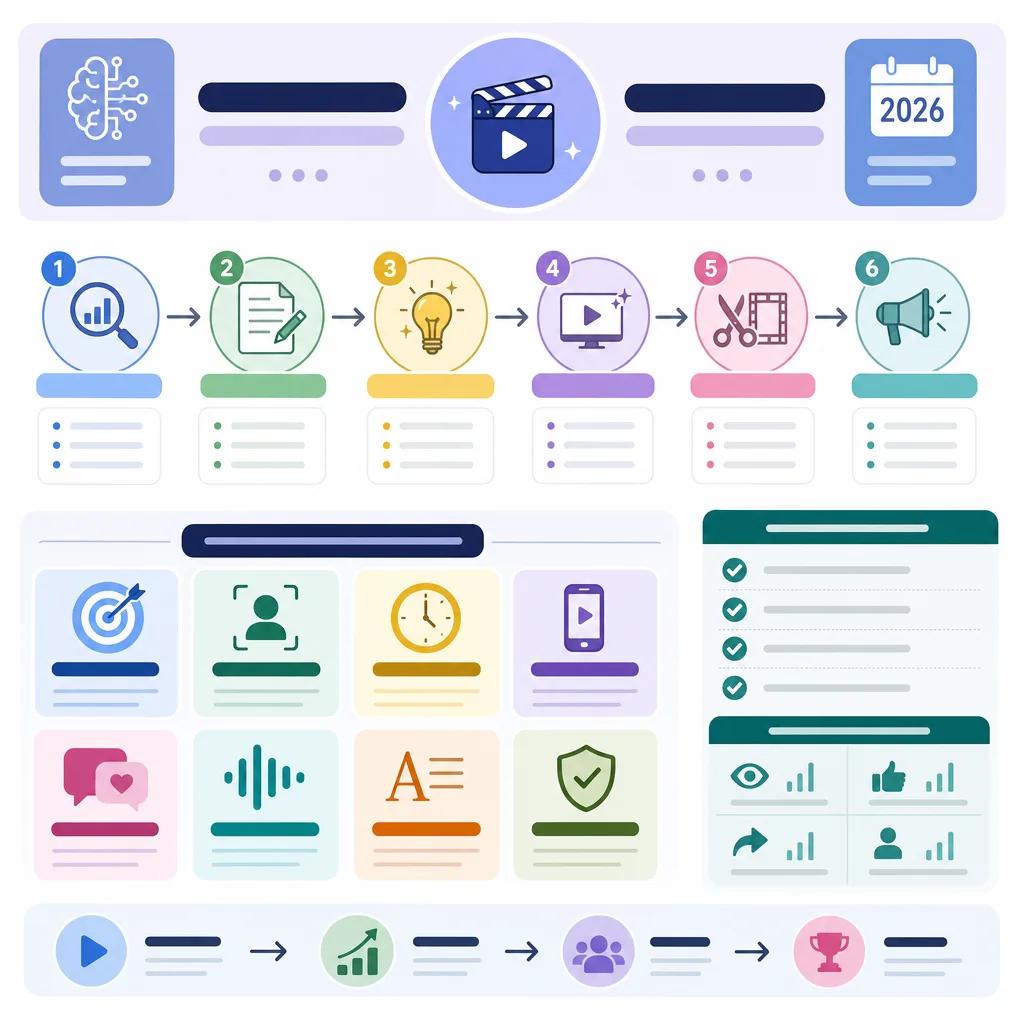
To create engaging AI video shorts, it's essential to understand the elements of storytelling. Even in short formats, a clear narrative can captivate audiences. Consider starting with a hook, followed by a concise development and a strong conclusion.
Using AI tools like Vexub, you can experiment with various styles and formats to discover what resonates with your audience. This process involves analyzing audience preferences and adjusting content accordingly.
Additionally, incorporating trending topics or themes can boost visibility. AI analytics can help identify these trends, enabling you to tailor your content to current viewer interests.
Leveraging AI for Video Production
AI streamlines video production by automating repetitive tasks. Tools like Vexub focus on enhancing video quality through AI-powered editing, freeing you to concentrate on creative aspects. This includes selecting key scenes, applying filters, and optimizing video length for platform-specific requirements.
By utilizing AI, you can also experiment with ", bold("different formats and styles"), ", ensuring your content remains fresh and engaging. For example, you might explore ", AI storytelling techniques, " to enhance narrative depth.
Create videos like this with AI
Script, voiceover, images and subtitles — automated in minutes.
Optimizing AI Video Shorts for Social Media
Social media platforms have unique requirements that can impact the performance of your AI video shorts. Understanding platform-specific algorithms and audience behaviors is crucial. For instance, on TikTok, videos should be catchy and concise, often leveraging popular sounds or challenges.
On YouTube Shorts, your content might require a different approach. Consider using thumbnails and titles optimized for search engines. AI tools can assist in analyzing keywords and trends, helping improve your video’s discoverability.
Engagement is key on social platforms. Encourage interactions by including calls-to-action, such as asking viewers to comment, share, or like your content. This not only boosts engagement but also improves algorithmic performance.
Trends in AI Video Content Creation
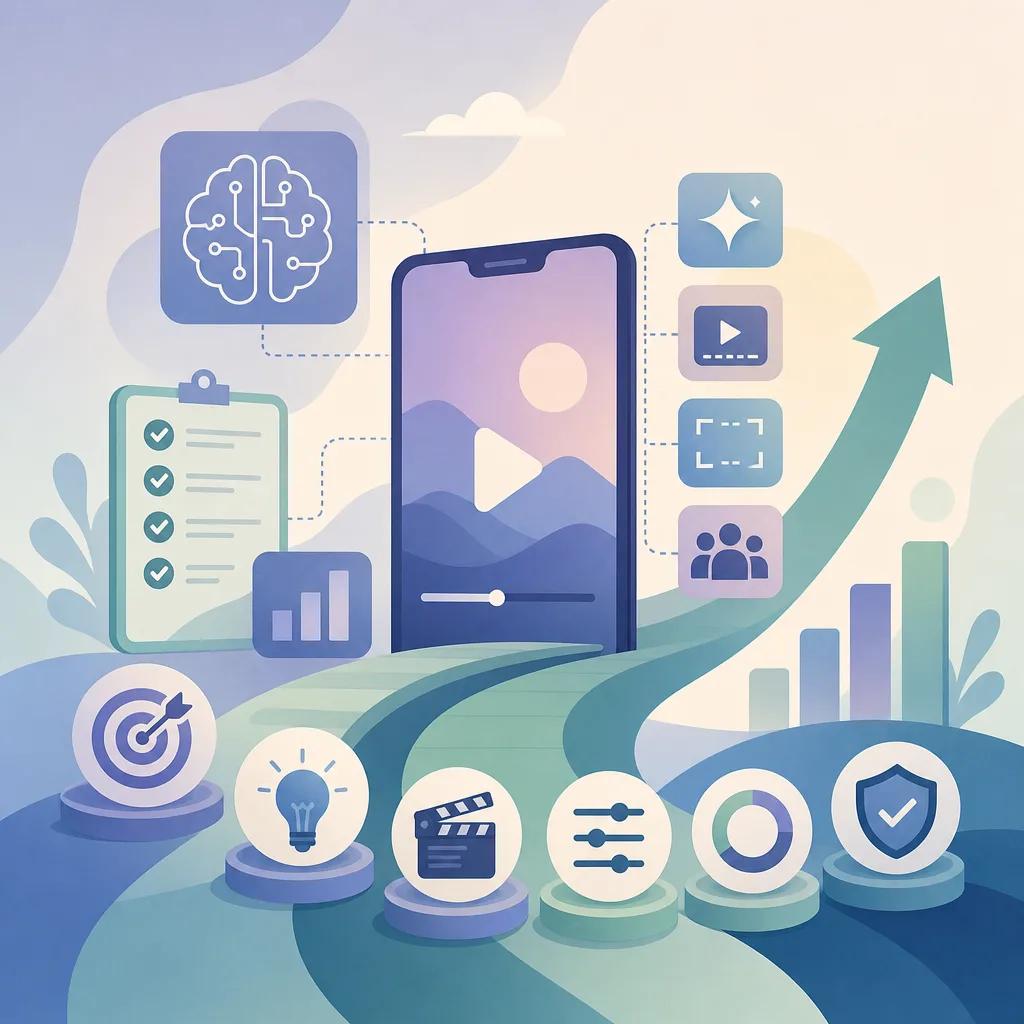
As AI technology evolves, new trends in video content creation emerge. In 2026, we see a shift towards more interactive and immersive content. This includes using VR and AR elements that engage viewers in novel ways.
Live streaming AI-generated content is also gaining traction, offering real-time interaction opportunities. This trend is popular in gaming and entertainment, where immediate audience feedback can be integrated into content.
Creators are also exploring AI-generated personalization, tailoring content to individual viewer preferences. This approach increases viewer retention and encourages return visits, essential for building a loyal audience base.
The Role of AI in Educational Content
AI's role in educational content is expanding, making learning more accessible and interactive. Platforms like Vexub are at the forefront, providing tools for creating ", educational tutorials with AI videos, ".
These videos often incorporate quizzes, interactive elements, and real-time feedback to enhance the learning experience. AI analytics can assess viewer engagement and adapt content delivery accordingly.
Conclusion: Embracing AI for Future Video Content
In the ever-evolving digital landscape of 2026, embracing AI for video content creation is not just a trend but a necessity. By understanding and implementing best practices for AI video shorts, you can create content that stands out and resonates with audiences.
Vexub offers a suite of tools designed to assist creators in navigating these trends, ensuring your videos are both high-quality and impactful. As you adapt to new technologies, remember that creativity and audience insight remain at the heart of effective video content.
Discover more about maximizing your content's potential by exploring topics like ", using AI for educational video content, " and ", enhancing educational videos with AI, ". These resources provide further insights into leveraging AI for content success.