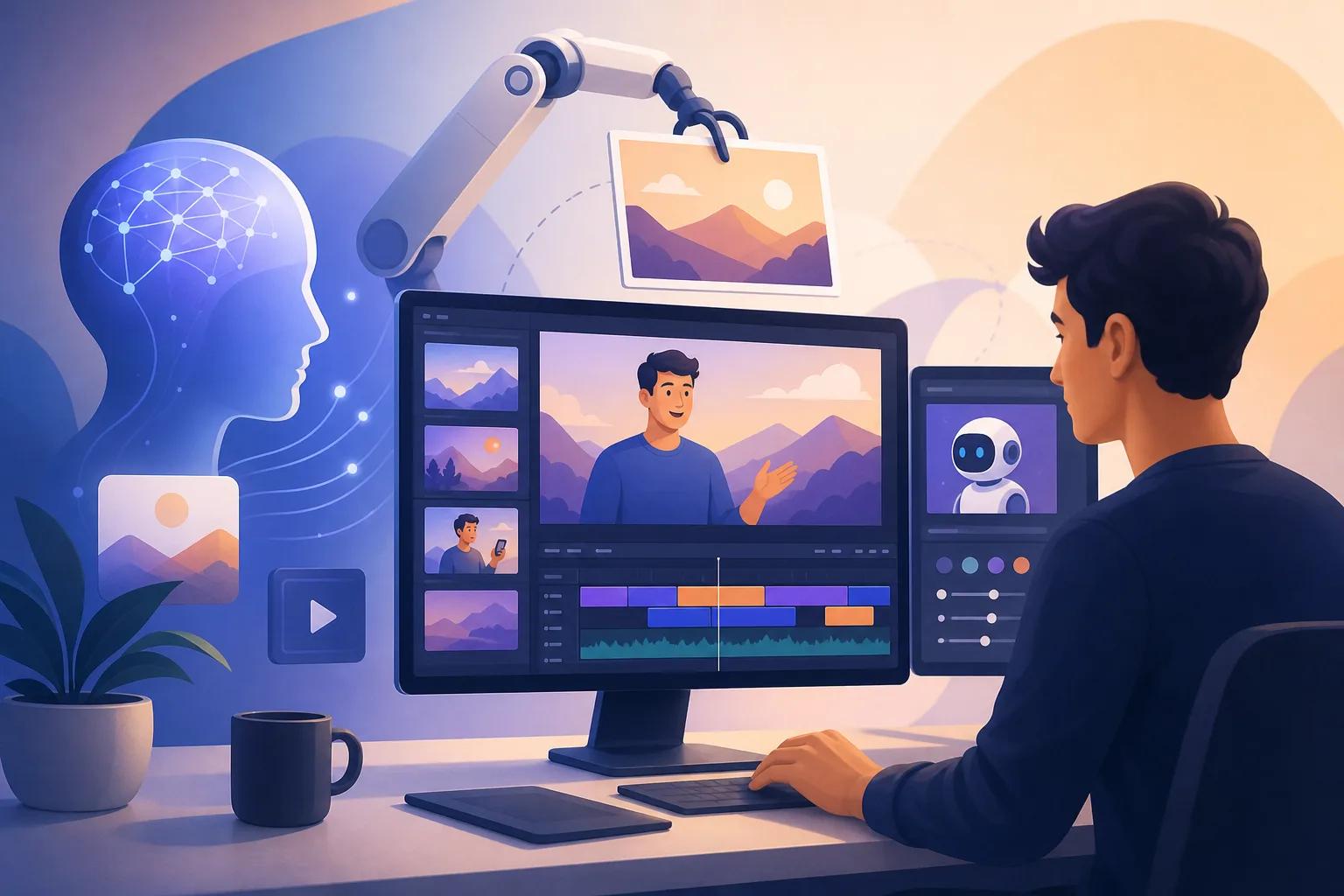
Crafting an engaging explainer video in 2026 is both an art and a science, especially with AI tools at your disposal. These tools not only streamline the creation process but also enhance the overall quality of your videos. Utilizing artificial intelligence effectively can make your content stand out, whether you're a business aiming to boost your brand or an educator looking to engage students.
With the right AI tools, you can transform complex ideas into digestible content that captivates your audience. This tutorial will walk you through the steps of using AI to create explainer videos that are not only informative but also visually appealing and memorable.
Why Use AI for Explainer Videos?
AI technologies drastically reduce the time and effort needed to create high-quality explainer videos. Traditional video creation methods often require significant resources and specialized skills. In contrast, AI tools automate many of these processes, allowing you to focus more on crafting your message and less on the technical details.
Moreover, AI provides features such as automated voiceovers, customizable animations, and smart editing tools that enhance the viewer's experience. Such advancements are essential in a landscape where viewer engagement is pivotal to content success.
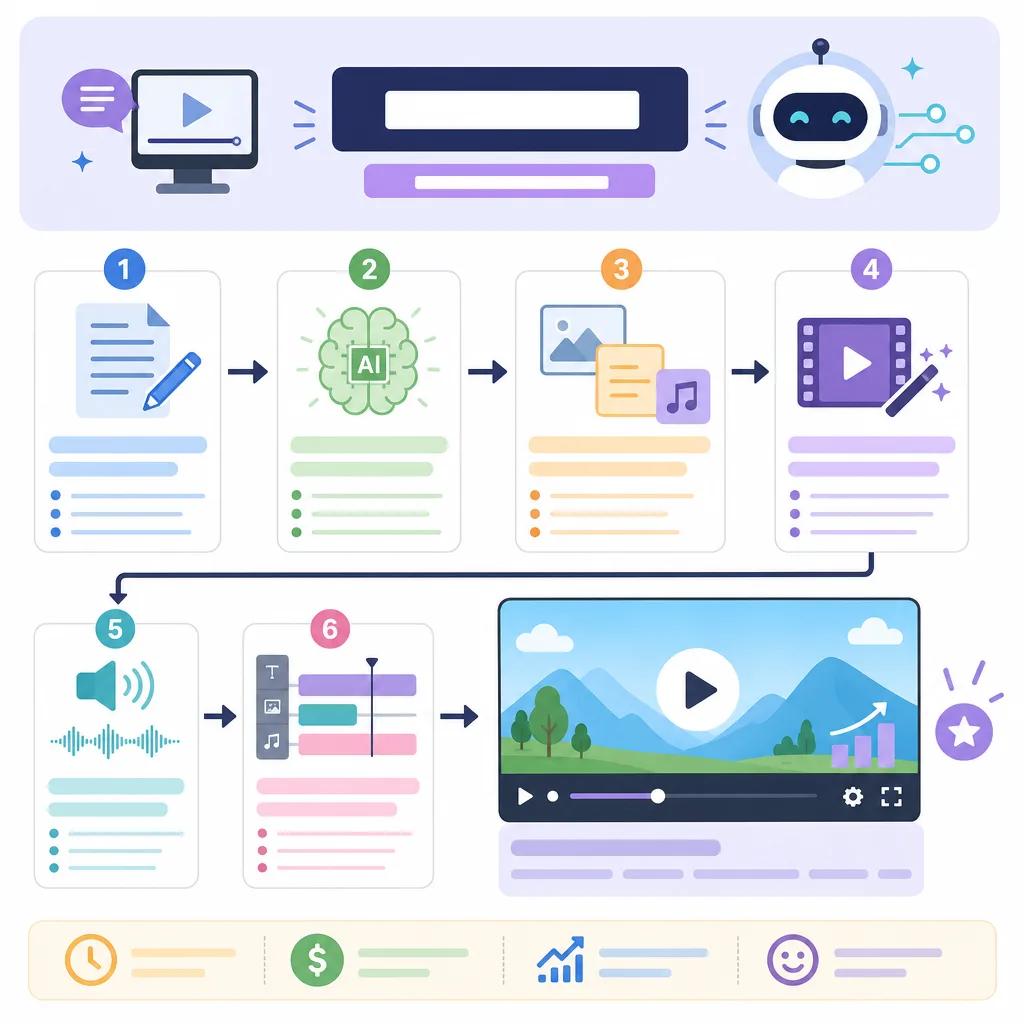
Choosing the Right AI Tools for Your Needs
Selecting the appropriate AI tool depends on your specific needs and the type of video you intend to create. For example, Vexub offers comprehensive solutions for both beginners and advanced users, providing features that cater to a wide range of video styles.
Consider the following factors when choosing your AI tool:
Ease of use: Look for user-friendly interfaces that simplify complex processes.
Feature set: Ensure the tool offers the necessary features for your project, like text-to-speech, animation options, and editing capabilities.
Cost: Evaluate the pricing models to find a solution that fits your budget without compromising on quality.
Crafting Your Script and Storyboard
A well-crafted script is the foundation of any successful explainer video. Start by identifying your core message and structuring your script around it. Keep your language simple and direct to maintain clarity and engagement.
Once your script is ready, create a storyboard to visualize how your content will come to life. This step allows you to plan the sequence of scenes, transitions, and visuals that will accompany your narrative. Tools like Vexub can assist in this process by offering templates and suggestions based on your script.
Create videos like this with AI
Script, voiceover, images and subtitles — automated in minutes.
Incorporating AI-Generated Voiceovers
AI-generated voiceovers are a game changer for explainer videos. They provide a professional touch without the need for costly recording sessions. Many AI platforms, including Vexub, offer customizable voice profiles to match the tone and style of your video.
Enhancing Engagement with Visuals
Visuals play a crucial role in maintaining viewer interest. AI tools can automatically generate animations and graphics that complement your script. These visuals should be relevant and enhance the viewer's understanding of the topic.
Consider using a mix of animation styles and infographics to break down complex information. This approach not only keeps the audience engaged but also aids in information retention.
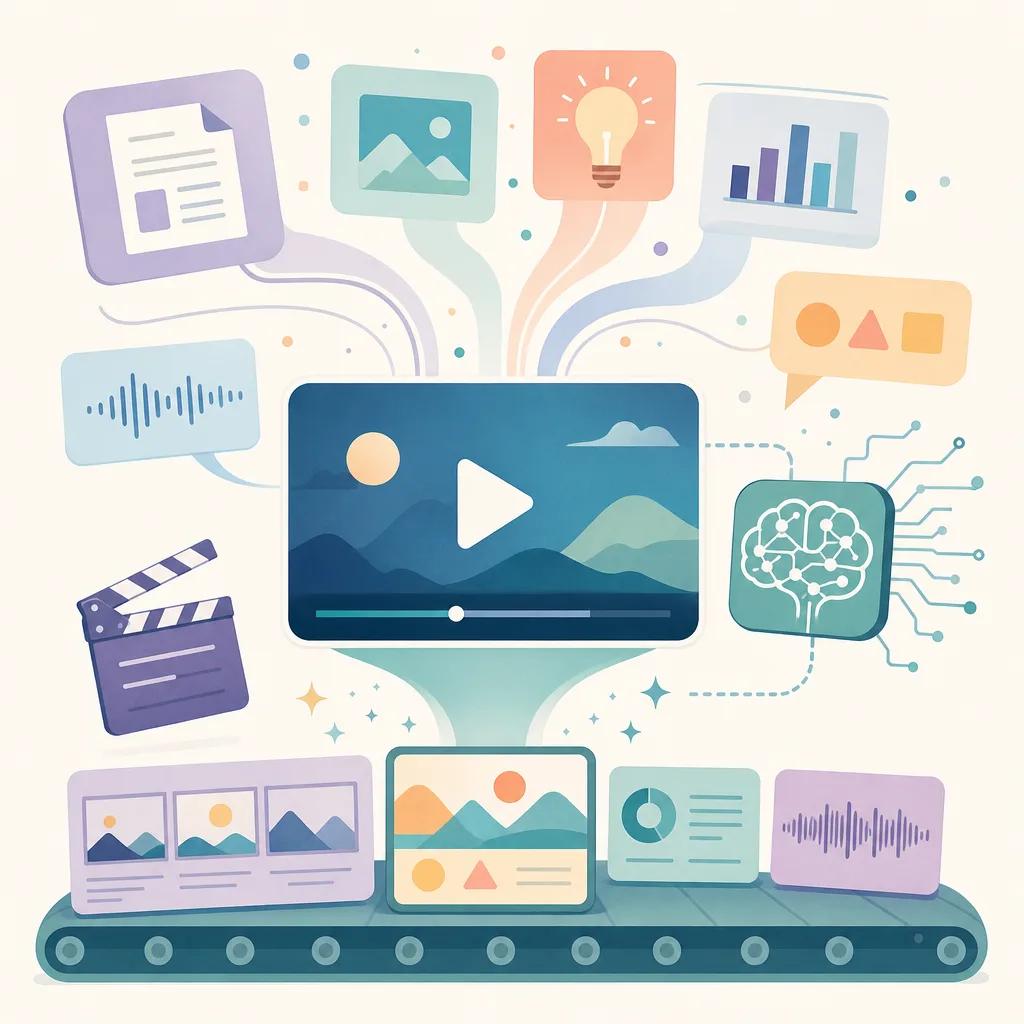
Editing and Refining Your Video
Once your video is assembled, the editing phase allows you to refine the content. AI editing tools can suggest cuts, transitions, and effects that align with your video's theme. This automation significantly reduces editing time while ensuring a polished final product.
Don't overlook feedback loops. Use AI analytics to gather insights on audience engagement and iteratively improve your video content. Vexub provides detailed analytics that can guide these refinements.
Publishing and Promoting Your Explainer Video
After creating your explainer video, it's time to share it with the world. Choose the right platforms that align with your target audience. Social media, company websites, and educational platforms are excellent starting points.
Ensure that your video is optimized for SEO to maximize its reach. This includes using appropriate keywords in titles, descriptions, and tags. For more on optimization, consider reading about ", how to repurpose content into short videos, " and ", optimize AI video for eCommerce, ".
Finally, leverage internal networks and collaborations to promote your video. The more you integrate your video into existing content strategies, the more visibility and engagement it will receive. You might find it helpful to explore ", creating educational tutorials with AI videos, " for additional strategies.
By following these steps, you can leverage AI to create explainer videos that not only inform but also captivate and engage your audience. Tools like Vexub simplify this process, allowing you to focus on creativity and communication.