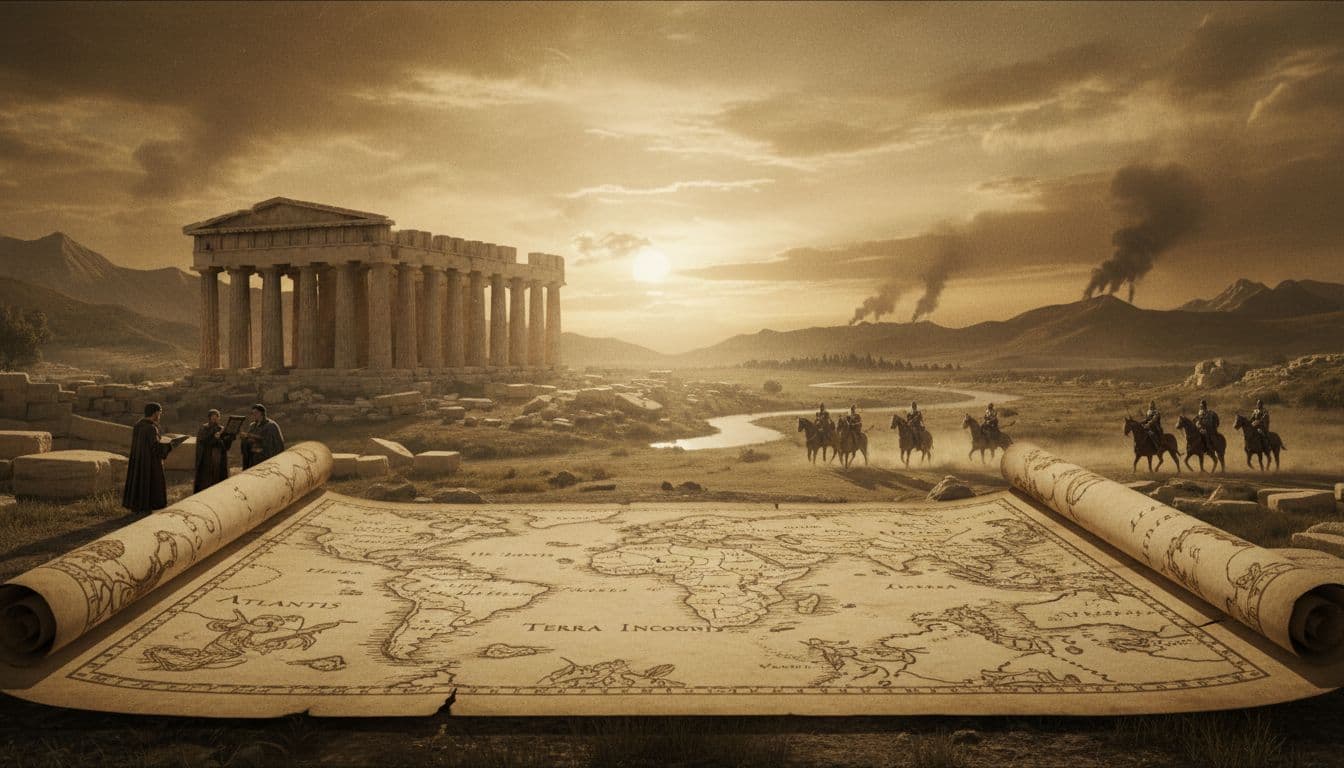
History documentary channels generate millions of views monthly, but traditional production requires expensive equipment, location shoots, and extensive research time. AI tools now enable creators to produce professional historical content using generated period-accurate visuals and narration without ever appearing on camera.
Channels focusing on ancient civilizations, World War events, and lesser-known historical figures consistently attract dedicated audiences. The combination of AI-generated imagery, voiceover technology, and automated video assembly makes this niche accessible to solo creators with minimal budgets.
This guide shows you exactly how to build a faceless history documentary channel using AI tools that handle everything from script generation to final video production.
Why History Documentary Content Dominates YouTube
Historical content attracts viewers who watch longer sessions and return consistently. The faceless YouTube channel format works particularly well for this niche because viewers focus on the story and visuals rather than the presenter.
High watch time: Documentary-style content averages 8-15 minutes per video with 60%+ retention rates.
Evergreen topics: Historical events remain relevant indefinitely, generating views for years after publication.
Low competition gaps: Specific periods like the Bronze Age collapse or lesser-known wars have minimal quality coverage.
Multiple revenue streams: AdSense rates range from $8-$15 CPM for educational content, plus sponsorship opportunities from audiobook platforms and educational services.
Channels covering World War II battles, ancient Rome, or medieval history regularly achieve 100K+ subscribers within 12-18 months of consistent posting. The key lies in finding underserved topics where existing content lacks production quality or depth.
Selecting Profitable Historical Topics
Not all historical periods generate equal viewer interest. Data from successful channels reveals specific patterns in what audiences actually watch.
High-Performing Topic Categories
Military history: Specific battles, weapons development, and tactical analysis generate consistent views. Focus on conflicts beyond World War II—ancient warfare, Napoleonic campaigns, and Cold War incidents offer less saturated opportunities.
Mysterious disappearances: Lost civilizations, unexplained archaeological finds, and historical enigmas combine education with intrigue. Videos about the Indus Valley civilization or the Sea Peoples attract curious viewers.
Daily life reconstructions: How people actually lived in specific periods—what they ate, how they worked, their entertainment—provides relatable content. 'A Day in Ancient Egypt' style videos perform exceptionally well.
Technological evolution: How specific inventions developed through history, from ancient metallurgy to early computing, appeals to both history enthusiasts and technology audiences.
Research YouTube search suggestions and Google Trends for your chosen period. Topics with 10K-100K monthly searches offer the sweet spot—enough audience interest without overwhelming competition from established channels.
Creating AI-Generated Historical Visuals
Professional-looking historical content requires period-appropriate imagery. AI generation tools now produce accurate representations of historical periods, buildings, clothing, and artifacts without requiring photo archives or stock footage subscriptions.
Start by creating a visual reference library for your chosen period. Generate 20-30 core images showing typical scenes, architecture, clothing styles, and landscape features. These become your template library for future videos.
Ensuring Historical Accuracy
Research visual references: Use museum collections, archaeological reconstructions, and academic publications to verify accuracy before generating images.
Specify time periods precisely: Roman architecture changed dramatically between 100 BCE and 300 CE. Include specific dates in your AI prompts for accurate results.
Layer multiple images: Combine generated backgrounds with separately created foreground elements for depth and realism.
Add aging effects: Slight grain, sepia tones, or desaturation can make AI-generated content feel more authentic for older periods.
For complex historical reconstructions, custom image styles in Vexub let you maintain consistent visual aesthetics across your entire channel. Create a signature look that viewers immediately recognize.
Create videos like this with AI
Script, voiceover, images and subtitles — automated in minutes.
Writing Documentary-Style Scripts
Historical documentary scripts differ significantly from typical YouTube content. They require narrative structure, factual accuracy, and pacing that builds viewer engagement without sensationalism.
Start each script with a compelling hook—a surprising fact, a controversial question, or a dramatic moment from the event you're covering. Avoid generic openings like 'Today we'll explore' or 'Have you ever wondered.' Jump directly into the most interesting element.
Script Structure That Retains Viewers
Opening hook (30 seconds): Present the most dramatic or surprising element immediately. For a video about the fall of Constantinople, start with the moment the walls were breached, then backtrack to explain the context.
Context and background (2-3 minutes): Establish who the key players were, what led to this moment, and why it matters. Include specific numbers, dates, and names.
Main narrative (5-8 minutes): Tell the story chronologically with specific details. Describe what happened hour by hour, include quotes from primary sources, and explain decision-making processes.
Consequences and legacy (2-3 minutes): Show how this event affected history afterward. Connect it to modern times when relevant.
Closing (30 seconds): Summarize the key takeaway and tease your next video topic.
Use AI writing assistants to draft initial scripts, but always verify facts against multiple historical sources. Include specific details—exact casualty numbers, direct quotes from letters or speeches, weather conditions, time of day—that make the narrative feel real and researched.
AI Voiceover for Documentary Narration
Documentary narration requires authority and clarity. The voice needs to sound knowledgeable without being condescending, engaging without being overly dramatic.
Modern AI voice generators produce broadcast-quality narration that works perfectly for historical content. Select voices with slight gravitas—deeper tones with measured pacing create the documentary feel audiences expect.
Male voices: Generally perform better for military history and ancient civilizations, likely due to audience expectations from traditional documentaries.
Female voices: Excel for social history, daily life reconstructions, and biographical content about historical figures.
Accents: British accents increase perceived authority for European history, while neutral American accents work well for world history topics.
Vexub's AI voiceover system generates natural-sounding narration with appropriate pacing for documentary content. The system automatically adjusts timing for dramatic pauses and emphasis on key information.
Video Assembly and Pacing Techniques
Historical documentaries require different pacing than entertainment content. Viewers expect time to absorb information, see visual evidence, and follow complex narratives.
Display each visual for 4-8 seconds minimum—long enough for viewers to examine details without feeling rushed. For maps showing troop movements or battle positions, extend to 10-12 seconds while narration explains the tactical situation.
Visual Variety Patterns
Establish location: Start scenes with wide shots of the setting—the battlefield, the city, the landscape.
Add detail: Follow with closer views of specific elements—weapons, architecture, people.
Show maps: Include simple maps every 2-3 minutes to maintain geographical context.
Use title cards: Display dates, names, and statistics as text overlays to reinforce key information.
Layer subtle background music that matches the period and mood. Ancient history benefits from minimal instrumentation—simple strings or woodwinds. Medieval content works with period instruments. Modern conflicts suit orchestral scores.
Optimizing for YouTube's Algorithm
Historical content faces unique algorithmic challenges. Educational videos compete in a different category than entertainment, requiring specific optimization strategies.
Create thumbnails showing the most visually interesting element from your topic—a dramatic battle scene, an imposing historical figure, or an intriguing artifact. Add text overlay with numbers ('1453', '300 Ships', '10,000 Soldiers') or intriguing phrases ('The Day That Changed Everything').
Title formulas: Use specific dates and events: 'The Battle of Adrianople: Rome's Darkest Day (378 AD)' outperforms generic 'Famous Roman Battles'.
First 30 seconds: Jump straight into the most interesting moment. YouTube's algorithm heavily weights early retention.
Chapter markers: Add timestamps for major sections. This increases average view duration as viewers can jump to specific interests.
End screens: Link to related historical periods or events, creating playlist-style viewing sessions.
Post consistently on the same schedule—weekly uploads work well for this niche. The algorithm favors channels with predictable content velocity, and historical topics provide endless material for regular production.
Building a Content Calendar
Successful history channels maintain content variety while establishing expertise. Plan your uploads to balance popular topics with deeper niche content that builds authority.
Create content pillars around 3-4 major historical periods or themes. If you focus on ancient history, alternate between Rome, Greece, Egypt, and Mesopotamia. This variety prevents audience fatigue while building comprehensive coverage.
Popular anchors: Monthly videos on well-known events that attract new viewers.
Deep dives: Bi-weekly detailed explorations of lesser-known topics that satisfy existing subscribers.
Series format: Multi-part narratives about specific wars, dynasties, or time periods that encourage binge-watching.
The faceless history YouTube approach lets you batch-produce content efficiently. Create 4-8 scripts in one session, generate all required visuals in another, then assemble videos in a final production session.
Monetization Beyond AdSense
History documentary channels unlock multiple revenue streams beyond YouTube ads. Educational content attracts specific sponsor categories willing to pay premium rates for access to engaged audiences.
Audiobook platforms: Audible, Scribd, and similar services sponsor history channels heavily. Typical rates: $1,000-$5,000 per integration for channels with 50K+ subscribers.
Educational courses: Partner with platforms like The Great Courses or create your own course content about your historical specialty.
Patreon exclusive content: Offer extended versions, additional visuals, or early access to dedicated fans. History audiences convert to Patreon at 2-3x higher rates than entertainment channels.
Affiliate links: Recommend history books, documentaries, or historical novels relevant to each video topic.
Channels in the history documentary space typically achieve full-time income at 75K-100K subscribers through combined revenue streams. Focus on creating engaging faceless videos that educate while entertaining, and the audience growth follows naturally.