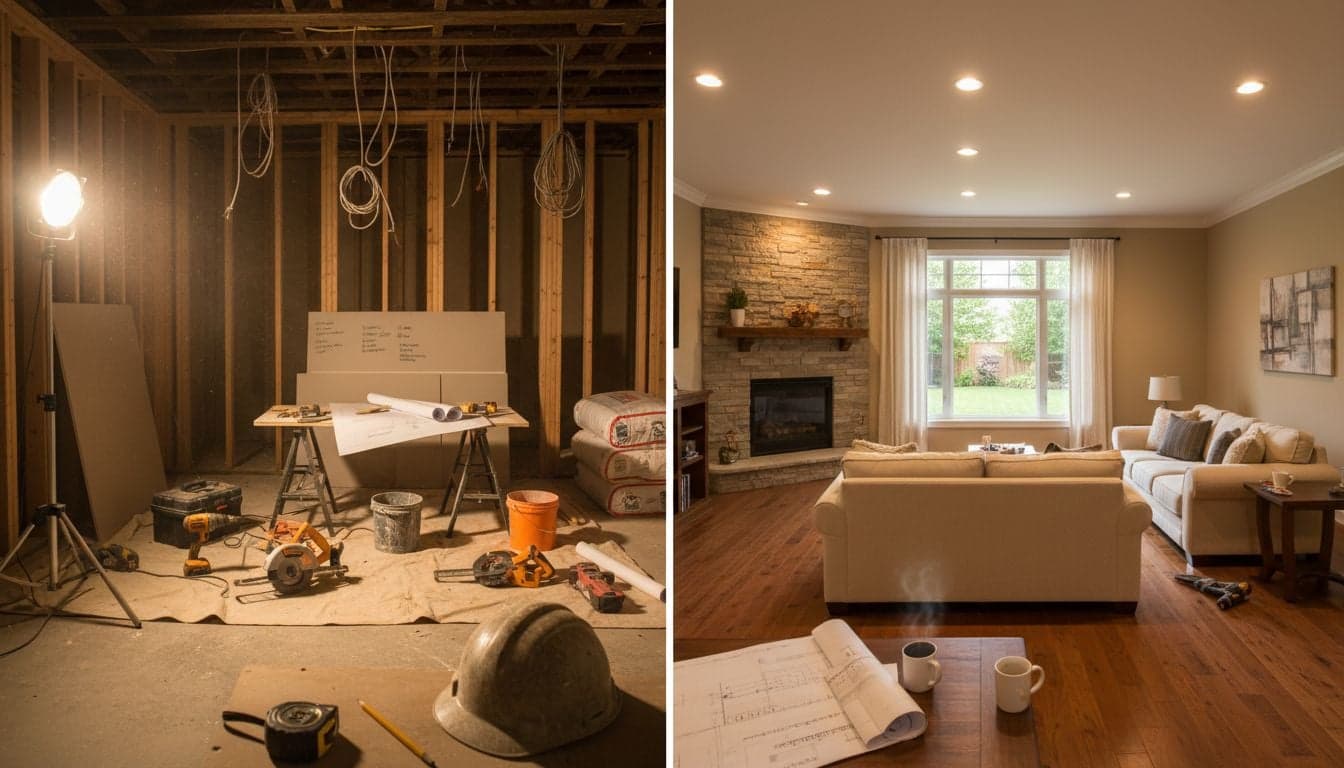
Home improvement content consistently ranks among YouTube's most watched categories, with DIY renovation videos generating millions of views monthly. Traditional creators spend thousands on cameras, lighting equipment, and countless hours filming messy construction projects. AI-powered video generation eliminates these barriers entirely, letting you create professional home improvement content without ever picking up a camera.
The home renovation niche combines evergreen demand with high advertising rates. Homeowners actively search for specific project tutorials, making this content highly discoverable through YouTube search. With AI tools like Vexub, you can produce detailed step-by-step renovation guides, before-and-after transformations, and project planning videos using generated visuals that match professional production quality.
This approach works because viewers want clear, visual instructions—not personality-driven content. Your value comes from accurate information, comprehensive coverage, and helpful guidance. AI-generated visuals can demonstrate techniques more clearly than shaky phone footage, while professional voiceovers deliver instructions without background noise or hesitation.
Why Home Improvement YouTube Channels Generate Revenue
Home improvement channels attract viewers with genuine purchase intent. Someone watching a bathroom remodeling tutorial is likely planning an actual renovation, making them valuable to advertisers selling tools, materials, and home services. This translates to higher CPM rates compared to entertainment-focused content.
The niche offers multiple monetization streams beyond YouTube ad revenue:
Affiliate marketing: Link to specific tools, materials, and equipment featured in your tutorials. Home improvement affiliate programs offer 4-8% commissions on purchases that can range from $50 to $5,000.
Sponsored content: Tool manufacturers and home improvement retailers actively seek content creators for product demonstrations and project showcases.
Digital products: Sell project plans, material calculators, and renovation checklists as downloadable guides.
Consultation services: Offer paid project planning sessions for viewers tackling complex renovations.
Channels focusing on specific renovation types—kitchen remodels, bathroom upgrades, or basement finishing—build engaged audiences that return for multiple projects. This creates consistent viewership patterns that YouTube's algorithm rewards with increased recommendations.
Planning Your AI-Generated Home Improvement Content
Successful DIY channels focus on specific project types rather than attempting to cover all home improvement topics. This specialization helps you build authority and makes content planning more systematic. Choose a focus area based on project complexity, search volume, and renovation costs.
High-Value Content Categories
Kitchen renovations generate the highest engagement because these projects involve substantial investment and multiple trade skills. Content covering cabinet installation, countertop selection, backsplash tiling, and appliance integration attracts viewers planning $15,000-50,000 renovations. Create detailed series showing complete kitchen transformations from demolition through final installation.
Bathroom remodeling content works well because homeowners frequently tackle these projects themselves to save on contractor costs. Focus on specific skills: tile work, shower installation, vanity replacement, and plumbing fixture upgrades. Break down complex waterproofing techniques and code compliance requirements that DIYers struggle to find clear information about.
Basement finishing projects appeal to homeowners looking to add living space without building additions. Cover framing techniques, moisture control, flooring options, and egress window installation. These videos attract viewers with serious commitment—basement finishing represents a major project requiring weeks of work and significant material investment.
Content Structure for Maximum Value
Home improvement tutorials need comprehensive coverage to actually help viewers complete projects. Structure each video to include:
Project overview: Show the finished result first, then explain skill level, timeline, and total cost estimates.
Tools and materials list: Display every item needed with specific product recommendations and where to purchase them.
Preparation steps: Cover area protection, safety equipment, and preliminary measurements or demolition.
Detailed installation process: Break complex procedures into clear steps with visual demonstrations of proper techniques.
Common mistakes section: Address typical errors and how to avoid or correct them.
Finishing touches: Show cleanup, final adjustments, and maintenance recommendations.
This comprehensive approach creates videos ranging from 10-20 minutes, which YouTube favors for search rankings. Longer watch times signal valuable content, improving your visibility in both search results and recommendations.
Create videos like this with AI
Script, voiceover, images and subtitles — automated in minutes.
Creating Professional AI Home Improvement Videos
AI video generation excels at home improvement content because renovation projects follow logical sequences that visual AI can represent accurately. You're showing processes and transformations rather than capturing spontaneous moments, making generated content perfectly suited to this niche.
Start with detailed project scripts that break down each renovation phase. Describe visual scenes specifically: "Close-up of measuring tape marking 16-inch intervals on wall stud" or "Wide angle showing level positioned across multiple cabinet boxes during installation." This specificity helps AI generate images that clearly demonstrate proper techniques.
Use Vexub's image generation to create step-by-step visual sequences. For a tile installation video, generate images showing substrate preparation, layout planning, thinset application, tile setting, spacer placement, grout application, and final cleaning. Each image becomes a frame in your instructional sequence, with voiceover narration explaining the technique shown.
Visual Styles for Home Improvement Content
Different visual approaches serve different content types. For general tutorials and technique demonstrations, use clean, well-lit workshop aesthetics that emphasize clarity over atmosphere. Generate images with bright, even lighting that shows details clearly—think professional how-to book illustrations rather than dramatic photography.
Before-and-after transformation content benefits from realistic rendering styles that showcase finished results. Generate images of completed rooms with proper lighting, accurate material textures, and realistic proportions. These visuals help viewers envision their own completed projects while demonstrating your channel's project quality.
For project planning and design inspiration content, use architectural visualization styles. Generate images showing different material options, color schemes, or layout configurations. This helps viewers make decisions before starting physical work, making your channel valuable during the planning phase.
Product comparison and tool review videos work well with clean product photography styles. Generate images isolating specific tools or materials against neutral backgrounds, making features and differences clearly visible. Add overlay graphics highlighting key specifications or performance characteristics.
Scripting Effective Home Improvement Tutorials
Home improvement scripts require technical accuracy combined with beginner-friendly explanations. Research actual project requirements thoroughly before writing—incorrect information destroys credibility in this niche. Consult building codes, manufacturer installation guidelines, and professional contractor resources.
Structure narration to match visual sequences precisely. When the generated image shows applying construction adhesive to a panel, your voiceover should explain the specific adhesive type, application pattern, and working time. This synchronization between visual and audio creates the clarity that makes tutorials actually useful.
Include measurements, specifications, and technical details that viewers need for project planning. Rather than saying "attach the bracket," specify "Install the bracket using two 2-inch wood screws driven into wall studs spaced 16 inches on center." This level of detail separates helpful tutorials from generic content.
Address safety considerations explicitly. When showing electrical work, mention shutting off power at the breaker panel. For demolition projects, discuss proper eye protection and respiratory equipment. These safety notes protect viewers and demonstrate professional standards.
Creating Project Series for Channel Growth
Complete renovation series keep viewers engaged across multiple videos while demonstrating comprehensive expertise. Document an entire bathroom remodel across 8-12 videos covering demolition, plumbing rough-in, electrical work, tile installation, vanity installation, and final assembly. This series approach encourages binge-watching and increases overall channel watch time.
Use consistent visual elements across series videos to create cohesive branding. Generate room views from the same angle to show renovation progress. This visual consistency helps viewers track transformation and makes before-and-after comparisons more impactful.
Link related videos explicitly in both narration and descriptions. When discussing shower tile installation, reference your previous waterproofing video and upcoming grout application tutorial. This internal linking guides viewers through complete project sequences while increasing views across your content library.
Optimizing for YouTube Search and Discovery
Home improvement searches on YouTube are highly specific and intent-driven. People search for exact projects: "how to install laminate countertops" or "bathroom vanity installation step by step." Target these precise long-tail keywords rather than broad terms like "home renovation."
Structure video titles to match search queries. Use formats like "How to Install Subway Tile Backsplash - Complete DIY Tutorial" or "Basement Framing Guide - Code Requirements and Techniques." Include the specific project name, indicate it's a tutorial or guide, and mention key differentiators like code compliance or cost-saving approaches.
Video descriptions should provide comprehensive project information. List all tools and materials needed, link to product recommendations, note estimated costs and timelines, and include chapter markers for long videos. This detailed description helps YouTube understand your content and provides immediate value to viewers reading before watching.
Create custom thumbnails showing clear before-and-after splits or highlighting the specific technique being taught. Use bold text overlays stating the project name and key benefit: "Kitchen Backsplash - $200 Budget" or "Bathroom Tile - Pro Results." High-contrast colors and clean layouts make thumbnails stand out in search results.
Building a Content Calendar for Consistent Growth
Home improvement channels benefit from seasonal content planning. Spring renovation season (March-May) drives searches for outdoor projects, deck building, and exterior painting. Fall content (September-November) should focus on winterization projects, insulation upgrades, and indoor renovations before holidays.
Balance evergreen tutorials with trending topics. Basic skills like drywall repair, painting techniques, and fixture installation maintain consistent search volume year-round. Supplement these with trending projects—smart home integration, energy efficiency upgrades, or popular design styles currently featured in home improvement media.
Plan content clusters around complete room renovations. When covering kitchen remodeling, create separate videos for cabinet installation, countertop options, backsplash techniques, lighting upgrades, and flooring choices. This cluster approach establishes comprehensive coverage while generating multiple videos from a single project theme.
AI video generation makes it practical to publish 3-4 videos weekly, a pace that traditional filming would make impossible. This consistency helps YouTube's algorithm recognize your channel as an active, reliable source of home improvement content, increasing recommendations to interested viewers.
Leveraging AI Efficiency for Content Volume
Traditional home improvement channels struggle with production volume because filming actual renovations takes weeks or months. You can't speed up the time required for concrete to cure or paint to dry. AI-generated content eliminates this constraint entirely—create comprehensive project tutorials without waiting for physical work to progress.
This efficiency advantage lets you cover projects that would be impractical to film. Generate content about large-scale renovations like whole-house remodels, second-story additions, or complete basement finishing projects. Physical creators can't afford to document these months-long projects, but you can produce detailed series covering every phase.
Similar to building a DIY crafts channel, home improvement content benefits from systematic production workflows. The approach differs in technical detail and project complexity, but the fundamental advantage of AI-generated content remains: consistent output without physical limitations.
Monetization Strategies Beyond YouTube Ads
Home improvement content generates revenue through multiple channels because viewers are actively planning purchases. Every tutorial you create introduces dozens of products that viewers will buy to complete their own projects.
Amazon Associates works particularly well for home improvement content. Link to every tool and material mentioned in your videos. A single bathroom renovation tutorial might include affiliate links for tile, thinset, grout, spacers, sponges, buckets, mixing paddles, and specific power tools. Viewers purchasing complete material lists can generate $100-300 in commissions per conversion.
Specialized affiliate programs from Home Depot, Lowe's, and tool manufacturers offer higher commission rates for their specific products. These retailers provide product data feeds that let you link to exact items, making recommendations more helpful and increasing conversion rates.
Create downloadable project planners and material calculators as digital products. A comprehensive kitchen remodel planner that helps viewers budget, schedule subcontractors, and track material purchases solves real problems worth $20-50. These information products scale infinitely once created—your effort goes into the initial development, then generates passive income from each sale.
The comprehensive faceless YouTube channel guide covers additional monetization strategies that apply across content types. Home improvement channels benefit particularly from sponsor relationships with tool brands and material suppliers looking to reach engaged DIY audiences.
Growing Your Channel Through Community Engagement
Home improvement viewers actively seek help with their specific projects. Respond to comments asking about particular challenges or modifications. This engagement signals to YouTube that your content generates valuable discussion, improving your video rankings.
Create follow-up content based on common questions. If multiple viewers ask about installing tile on different substrate types, produce a dedicated video covering tile installation on cement board, plywood, and concrete. This responsive content strategy ensures you're addressing actual viewer needs.
Use community posts to share quick tips, tool recommendations, and project progress updates. These posts keep your channel visible between video uploads and can drive traffic to your tutorial library when viewers discover new projects they want to tackle.
Consider creating project showcase features where you highlight renovations completed by viewers following your tutorials. This social proof demonstrates that your instructions work while building community around your channel. Use AI-generated recreations if viewers don't provide photos of their completed projects.
Starting Your AI Home Improvement Channel Today
Home improvement YouTube channels combine evergreen content demand with strong monetization potential. AI video generation removes the traditional barriers—expensive filming equipment, lengthy project timelines, and technical video editing skills—that have kept this lucrative niche exclusive to professional creators with substantial resources.
Begin with thorough project research and detailed scripting. Your content value comes from accuracy and completeness, not production flash. Generate clear, well-lit visuals that demonstrate techniques effectively. Add professional voiceovers that explain processes step-by-step. This straightforward approach creates genuinely helpful content that viewers appreciate and YouTube rewards.
The renovation niche rewards consistency and specialization. Focus on specific project types, publish regularly, and build comprehensive coverage that establishes your channel as the definitive resource for particular home improvement topics. As your library grows, your channel becomes increasingly valuable to viewers planning renovations—and to advertisers, affiliates, and sponsors reaching those engaged homeowners.