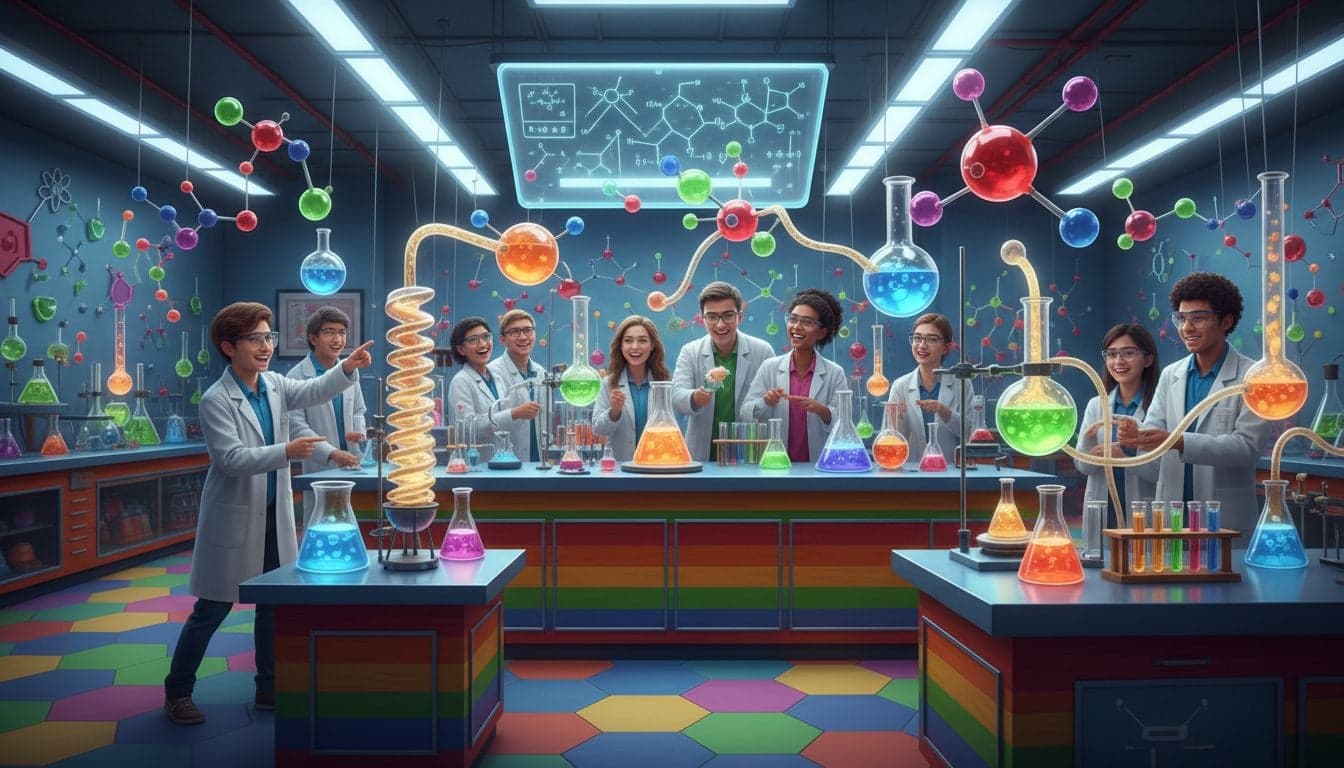
Science experiment channels rack up millions of views monthly, yet most creators struggle with expensive equipment and on-camera presence. AI technology eliminates these barriers. You can now build a successful science YouTube channel without lab access, specialized equipment, or showing your face.
The educational science niche generates consistent viewership because curiosity drives engagement. Channels like The Action Lab and NileRed prove that science content attracts dedicated audiences. With AI tools, you replicate their success using generated visuals, voiceovers, and animations—all from your computer.
This guide shows exactly how to launch and scale a faceless science experiment channel using AI. You'll learn content strategies, visual generation techniques, and monetization approaches that work in 2026.
Why Science Experiment Channels Succeed
Educational content maintains stable viewership regardless of algorithm changes. Science experiments tap into natural human curiosity about how things work. Parents share these videos with children. Teachers assign them as homework. Hobbyists binge-watch entire playlists.
The numbers support this strategy:
Educational content CPM: $8-25 per thousand views, higher than entertainment niches
Viewer retention: Science videos average 65% retention, well above the 50% benchmark
Playlist engagement: Viewers watch 4-6 related videos per session
Sponsorship potential: STEM brands pay premium rates for educational audiences
Unlike trending topics that fade, fundamental science remains relevant. A video about chemical reactions attracts views for years. This evergreen quality builds sustainable channel growth without constant content refreshes.
Content Strategy for AI Science Channels
Successful faceless YouTube channels follow specific content patterns. Science experiment channels need structured approaches that balance education with entertainment.
Experiment Categories That Perform
Focus on these proven content types:
Kitchen science: Experiments using household items (baking soda volcanoes, density towers, surface tension tests)
Physics demonstrations: Visual explanations of forces, energy, motion (pendulum waves, gyroscope stability, Bernoulli effect)
Chemistry reactions: Color-changing solutions, crystallization, pH indicators
Biology concepts: Cell processes, genetics basics, ecosystem simulations
Earth science: Rock cycles, weather patterns, geological processes
Each category supports multiple video series. A single topic like surface tension spawns 10+ experiments: water striders, pepper scatter, bubble science, capillary action, and more.
Video Structure Formula
Organize each video following this proven template:
Hook (0-5 seconds): Show the most dramatic moment or surprising result
Question setup (5-20 seconds): State what you're testing and why it matters
Prediction (20-30 seconds): Ask viewers to guess the outcome
Procedure (30-90 seconds): Demonstrate the experiment steps
Results (90-120 seconds): Reveal what happens with slow-motion or close-ups
Explanation (120-180 seconds): Break down the science behind the results
Call to action (180-200 seconds): Suggest next video and ask for subscription
This structure maintains pacing while delivering educational value. The early hook captures attention before the algorithm drops your video.
Create videos like this with AI
Script, voiceover, images and subtitles — automated in minutes.
Creating Visuals with AI
Traditional science channels require cameras, lighting, and laboratory setups. AI generation bypasses these requirements entirely. Vexub transforms written descriptions into professional science visuals.
Generating Experiment Visuals
Create compelling experiment footage through detailed prompts:
Strong prompts include:
Specific colors and changes: Describe exact visual transformations
Camera angles: Specify close-ups, overhead views, or side perspectives
Lighting conditions: Mention laboratory lighting, natural light, or dramatic spotlighting
Motion details: Describe bubbling, swirling, crystallizing, or other dynamic elements
Style references: Reference educational, documentary, or scientific visualization aesthetics
Building Diagram Sequences
Complex concepts need step-by-step visual breakdowns. Generate diagram sequences showing processes:
Photosynthesis stages with labeled chloroplasts and molecules
Water cycle animation from evaporation through precipitation
Cell division phases with chromosome movement
Energy transfer in food chains with arrows and labels
Vexub creates these educational graphics from text descriptions. Combine multiple generated images into animations showing progressive stages.
AI Voiceover for Science Content
Professional narration makes science accessible. AI voices deliver clear explanations without hiring voice actors or recording yourself.
Effective science narration requires:
Measured pacing: Slower delivery for complex concepts, 140-160 words per minute
Clear pronunciation: AI voices handle technical terms when phonetically spelled
Enthusiastic tone: Select voice profiles with energy that maintains engagement
Pauses for emphasis: Insert breaks before revealing results or key concepts
Write scripts in conversational language. Avoid academic jargon that alienates casual viewers. Explain osmosis as "water moving through a barrier" before introducing the technical definition.
Script Writing Tips
Craft scripts that balance education with entertainment:
Start with a surprising fact or question that hooks attention
Use analogies relating science to everyday experiences
Include specific measurements and numbers for credibility
Ask rhetorical questions that encourage mental participation
End with connections to related topics in your channel
Scaling Content Production
Consistency drives YouTube success. Science channels posting 3-5 videos weekly grow 4x faster than sporadic uploaders. AI enables this production volume without burnout.
Batch Content Creation
Produce multiple videos simultaneously:
Research 10-15 related experiments in one session
Write all scripts before generating any visuals
Generate visuals for multiple videos in parallel
Create voiceovers for the entire batch
Edit and schedule all videos for staggered release
This batching approach takes 6-8 hours weekly and produces enough content for regular posting. You maintain quality while scaling output.
Content Calendar Strategy
Plan releases around these patterns:
Series releases: Post related experiments on consecutive days to build binge-watching
Seasonal timing: Align content with school schedules for maximum educational searches
Trending topics: Create timely content around science news events
Challenge weeks: Post daily experiments for 5-7 days to boost algorithm performance
YouTube rewards consistent upload schedules. The algorithm promotes channels that train audiences to expect new content on specific days.
Monetization Beyond AdSense
Educational science channels unlock multiple revenue streams. AdSense provides baseline income, but strategic creators multiply earnings through supplementary methods.
Revenue Stream Options
Sponsorships: STEM toy companies, educational platforms, and science kits pay $500-5,000 per integration
Affiliate marketing: Promote science equipment, books, and learning subscriptions for 5-15% commissions
Digital products: Sell experiment guides, curriculum packets, or teaching resources
Membership tiers: Offer exclusive experiments, extended explanations, or downloadable materials
Course creation: Package channel content into structured learning programs
A channel with 50,000 subscribers generating 500,000 monthly views typically earns $1,200-2,000 from AdSense. Adding sponsorships and affiliate links increases monthly revenue to $3,000-6,000.
Building Brand Partnerships
Science brands actively seek educational content creators:
Reach out to companies after hitting 10,000 subscribers
Create a one-page media kit showing demographics and engagement metrics
Propose specific integration ideas rather than generic sponsorships
Negotiate contracts including creative control over educational accuracy
Educational audiences convert well for relevant products. Sponsors pay premium rates because science channel viewers actively seek learning resources.
Expanding Into Space and Advanced Science
Once you establish your science channel foundation, expanding into specialized niches attracts passionate audiences. Space science channels represent particularly strong growth opportunities.
Astronomy, cosmology, and space exploration content generates exceptional engagement. Videos about black holes, exoplanets, and rocket science consistently trend. AI tools create stunning space visuals without telescope access or NASA footage licensing.
Advanced science topics like quantum mechanics, genetic engineering, and artificial intelligence attract older demographics with higher purchasing power. These viewers engage with premium content offerings and support creators through memberships.
Launch Your Science Channel Today
Science experiment channels combine evergreen content potential with educational impact. AI removes traditional barriers to entry—expensive equipment, laboratory access, and on-camera requirements no longer limit creators.
Start with simple household experiments that demonstrate fundamental principles. Build your presentation style through consistent posting. Expand into more complex topics as your audience grows. The faceless YouTube channel approach lets you focus on content quality rather than production logistics.
Vexub provides the complete toolset for AI-powered science content creation. Generate experiment visuals, create educational voiceovers, and produce professional videos—all from written descriptions. Your science channel launches this week, not next year.