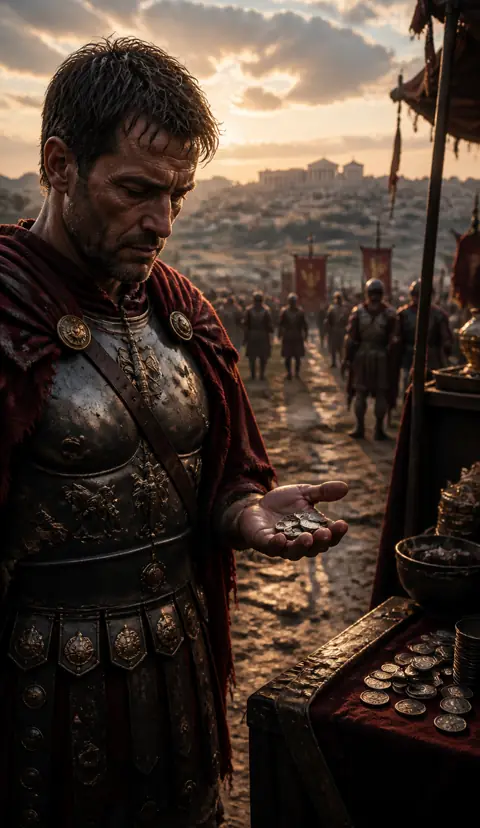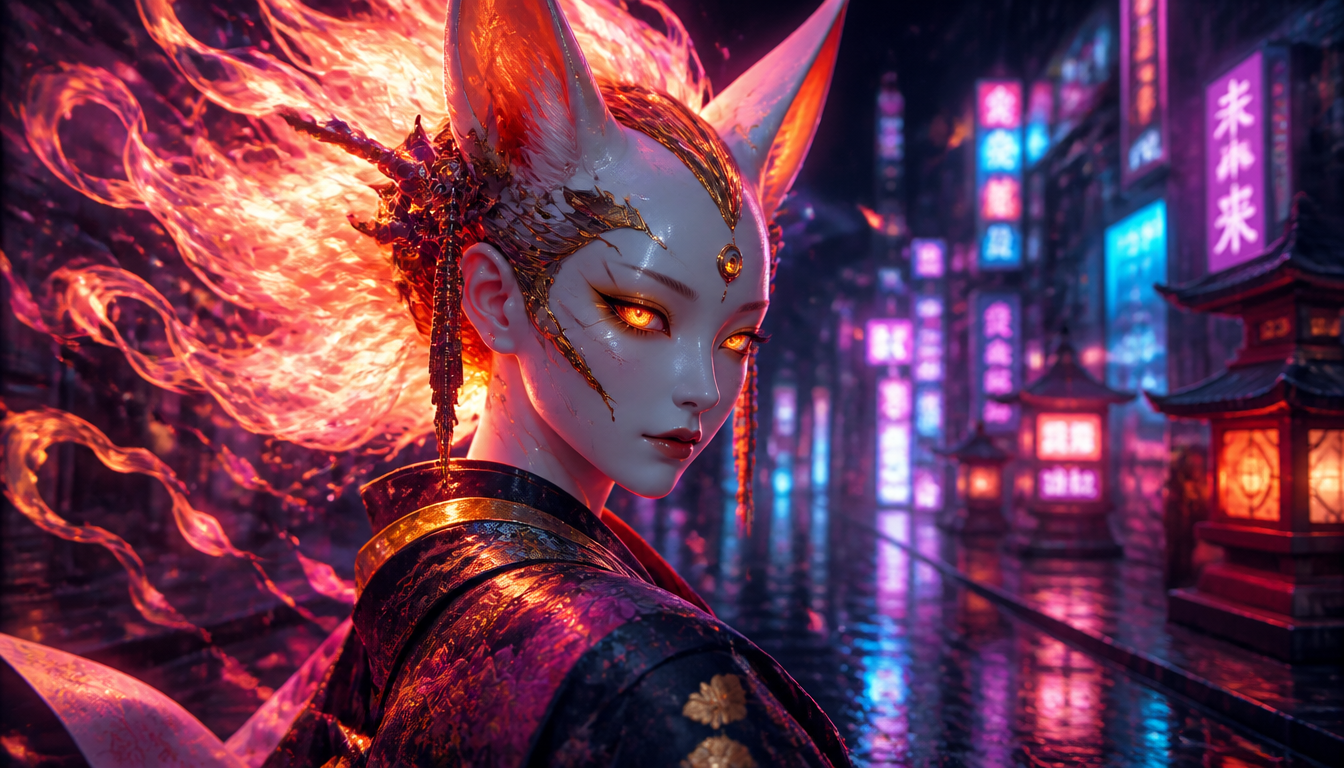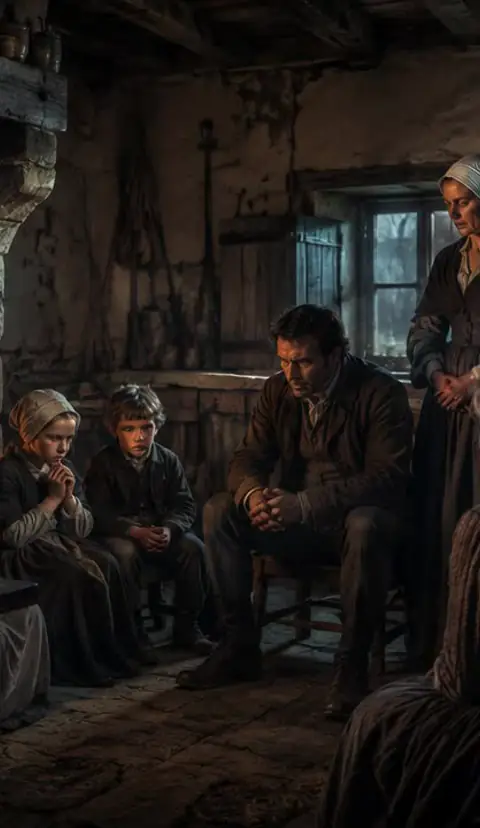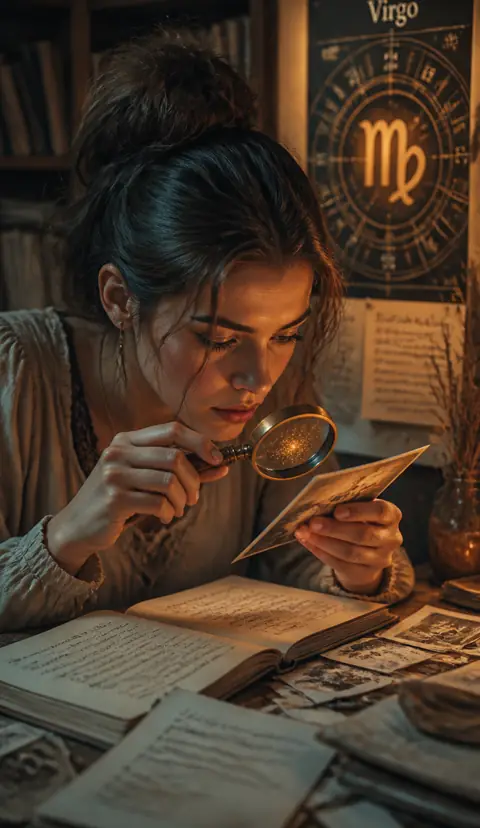
Urban legends channels dominate YouTube's mystery and horror niche, with top creators earning $15,000 to $50,000 monthly from ad revenue alone. The Infographics Show, Nexpo, and Mr. Nightmare built multi-million subscriber audiences by narrating creepy tales over atmospheric visuals—without ever showing their faces.
The barrier to entry has dropped dramatically with AI video generation. You can now produce professional-quality urban legend videos in 30 minutes instead of spending 8-10 hours manually editing stock footage, b-roll, and transitions. Vexub's AI handles the entire visual production process while you focus on scripting compelling stories that keep viewers watching until the final reveal.
This guide shows you exactly how to build a faceless urban legends channel using AI-generated visuals, from content strategy and script structure to monetization benchmarks and audience retention tactics.
Why Urban Legends Dominate YouTube's Algorithm
Urban legend content consistently outperforms other YouTube niches in watch time and click-through rates. Viewers actively seek these stories during evening hours, creating predictable traffic patterns that smart creators exploit.
The format offers three algorithmic advantages. First, average watch times exceed 12 minutes because viewers want to hear the complete story—they won't click away before learning what happened to the hitchhiker or what the security camera captured. Second, mysterious thumbnails with phrases like "Never Solved" or "Caught on Camera" generate 8-12% click-through rates compared to the YouTube average of 2-4%. Third, the evergreen nature means videos continue generating views for years after publication.
Channels like Lazy Masquerade and Scary Mysteries prove you don't need expensive equipment or a personal brand. Their faceless format works because the story matters more than the storyteller. Viewers subscribe to the content, not a personality, which gives you freedom to experiment with different narrative styles and topics.
Content Strategy: Choosing Your Urban Legend Niche
The urban legends category splits into distinct sub-niches, each attracting different audience demographics and advertiser rates. Your choice determines both your production workflow and revenue potential.
Classic Urban Legends
Traditional tales like Bloody Mary, the Vanishing Hitchhiker, and the Hook-Handed Man offer proven engagement. These stories work well for channels targeting 18-34 year olds who grew up hearing these tales around campfires. The advantage: viewers already know the setup, so you can add new twists or investigate real-world connections.
CPM range: $3-6 per thousand views in US traffic
Best length: 10-15 minutes for deep dives into one legend
Competition: Moderate—focus on unique angles or regional variations
True Crime Urban Legends
Stories that blur the line between myth and reality—like the Smiley Face Killers or the missing 411 cases—attract dedicated true crime audiences. This sub-niche commands higher CPMs ($8-15) because viewers skew older and watch longer videos, but requires more research to maintain credibility.
Internet Age Legends
Modern myths like Slenderman, The Backrooms, or SCP Foundation lore appeal to younger demographics (13-24) who discovered these stories online. These legends allow more creative freedom since they're collaboratively created, and you can cover new variations as the community develops them.
Local Legends and Folklore
Regional ghost stories, cryptids, and paranormal incidents offer unique content that larger channels often ignore. A channel focused on Appalachian legends or Southwestern folklore can dominate local search terms while building a loyal geographic audience.
For your first 50 videos, pick one primary sub-niche to establish audience expectations and algorithm recognition. You can expand later once you've built momentum.
Create videos like this with AI
Script, voiceover, images and subtitles — automated in minutes.
Scripting Urban Legends That Maximize Watch Time
The script determines whether viewers watch 30 seconds or 13 minutes. Urban legend scripts follow a specific structure that exploits psychological curiosity gaps—you plant questions that viewers must see answered.
The Hook Formula (0:00-0:30)
Start with the most disturbing detail, not background information. Compare these openings:
Weak: "Today we're looking at an urban legend from the 1970s about a babysitter."
Strong: "The police found her hiding in the closet, clutching the phone. The call was coming from inside the house."
Your first 15 seconds must create immediate tension. Use specific sensory details—what someone saw, heard, or felt—rather than general statements about the legend's popularity or origin.
The Investigation Structure (0:30-10:00)
After hooking viewers, organize your investigation into clear segments:
The Incident: Present the core story with vivid details (2-3 minutes)
The Variations: Show how the legend changed across regions or time periods (2-3 minutes)
The Evidence: Examine any real events, photos, or documents connected to the legend (3-4 minutes)
The Theories: Present competing explanations from believers and skeptics (2-3 minutes)
The Verdict: Give your analysis while leaving room for mystery (1 minute)
This structure keeps viewers engaged because each segment answers one question while raising another. They watch to see if you'll confirm or debunk the legend.
Script Length and Pacing
Target 1,400-1,800 words for videos in the 10-13 minute range—YouTube's sweet spot for mid-roll ads. Write conversational sentences that narration software can handle smoothly, avoiding complex punctuation or unusual words that AI voices might mispronounce.
Insert natural pauses where your visuals will emphasize key moments. Mark these in your script with [PAUSE] tags so you remember to leave space for atmospheric transitions during editing.
Creating Atmospheric Visuals With Vexub
The visual layer transforms your script from a podcast into a YouTube video. Urban legend channels rely on dark, mysterious imagery that matches the mood of each story beat—and Vexub generates this automatically from your script.
Visual Style Selection
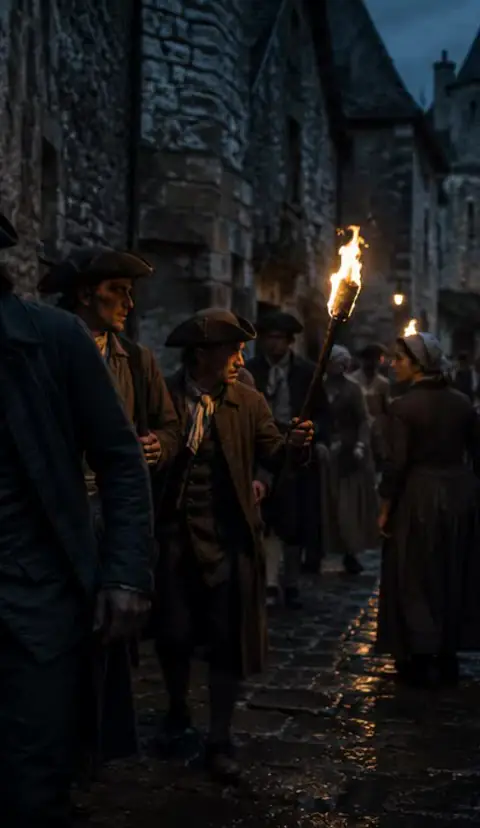
Vexub offers image styles specifically designed for horror and mystery content. For urban legends, these styles work best:
Cinematic Dark: Creates film-noir atmosphere for serious investigation videos
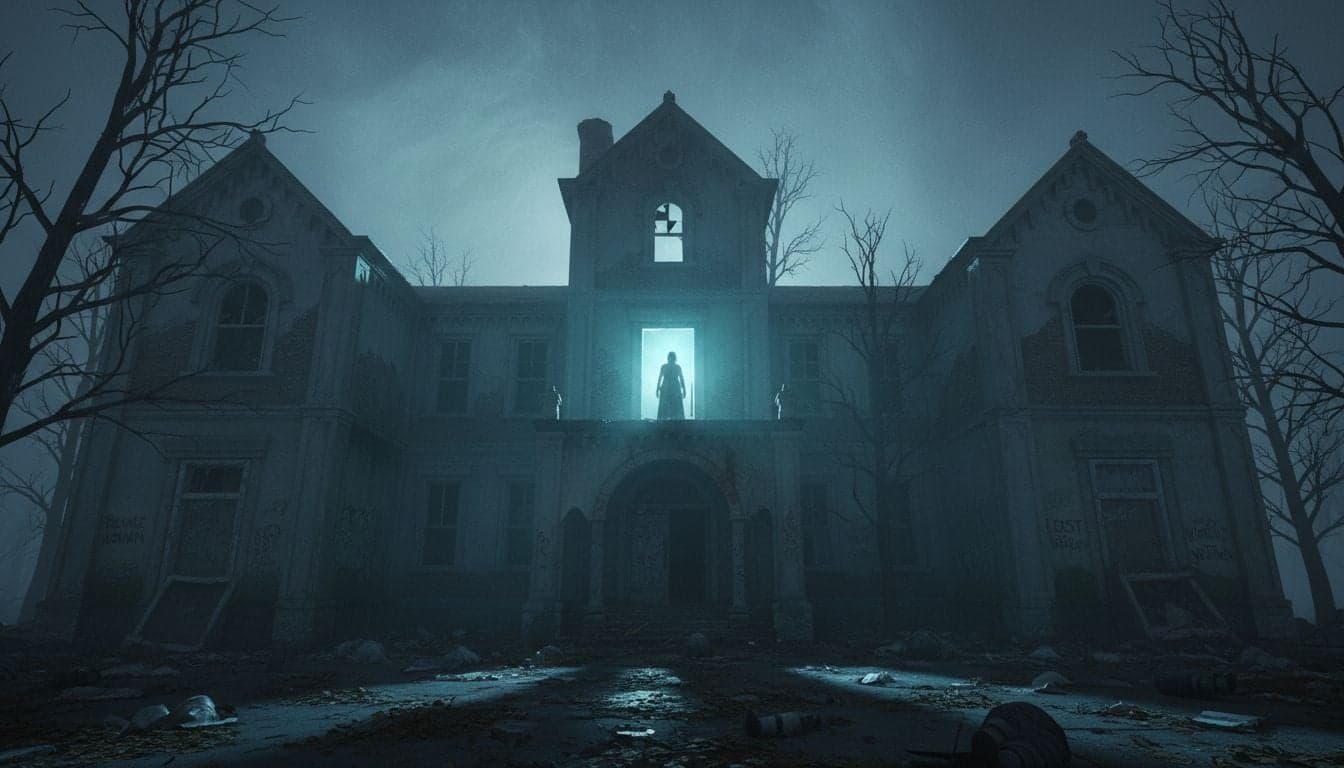
Horror Realistic: Generates unsettling imagery for supernatural legends
Documentary Style: Produces authentic-looking historical scenes for true crime legends
Illustrated Mystery: Perfect for classic folklore and regional tales
Test different styles with the same 30-second script segment to see which matches your brand. Most successful urban legend channels maintain visual consistency—viewers should recognize your content instantly from the thumbnail and opening shot.
Scene-by-Scene Visual Planning
Break your script into distinct scenes before generating the video. Each major story beat needs supporting visuals:
Opening hook: Dark, close-up imagery that matches your most disturbing detail
Location establishment: Wide shots showing where the legend takes place
Character moments: Mid-shots of victims, witnesses, or investigators
Evidence presentation: Clean frames highlighting photos, documents, or artifacts
Atmospheric transitions: Abstract or symbolic imagery during pauses
Vexub analyzes your script and automatically selects appropriate visuals for each segment. You can regenerate specific scenes if the AI's first choice doesn't match your vision, giving you creative control without manual editing.
Adding Authentic Documentary Elements
Urban legend audiences expect some documentary-style elements that signal credibility. Vexub helps you incorporate these without complex editing:
Text overlays displaying dates, locations, or key facts
Newspaper headline recreations for historical context
Map animations showing where incidents occurred
Timeline graphics tracking the legend's evolution
These elements break up talking-head monotony while reinforcing your investigative angle. Place them during longer explanatory segments to maintain visual interest.
Voice and Audio Production
Your narration voice shapes how viewers perceive the content. A dramatic, over-the-top delivery feels cartoonish, while a flat, monotone reading puts people to sleep. Urban legend narration requires controlled tension—serious but not theatrical.
AI Voice Selection for Mystery Content
Vexub's voice library includes narrators specifically trained for horror and mystery content. Look for these characteristics:
Mid-range pitch that sounds authoritative without being aggressive
Moderate pacing around 150 words per minute—fast enough to maintain energy, slow enough for comprehension
Natural inflection that emphasizes key words without sounding artificial
Clear pronunciation of unusual names, locations, and technical terms
The "Documentary Narrator" and "Mystery Host" voices work well for serious urban legend content. For lighter, more entertainment-focused channels, "Storyteller" voices add appropriate dramatic flair without crossing into parody.
Background Music Strategy
Music creates 80% of the atmospheric tension in faceless videos. Urban legend channels typically layer two audio elements:
Ambient Drone: Low-frequency background that creates unease without distracting from narration. Volume at 15-20% of voice level.
Tension Swells: Musical crescendos during key reveals or disturbing details. Volume at 30-40% during these moments, then fade back to ambient.
Vexub's music library includes royalty-free tracks tagged for horror and mystery content. Select one ambient track for your entire video to maintain consistency, then mark script sections where you want tension swells. The AI handles volume automation and fade transitions.
Avoid jump-scare sounds or sudden loud noises—they spike viewer drop-off rates because people watching on phones or at work get startled and click away. Build tension through sustained atmospheric pressure instead of cheap shocks.
Thumbnail Psychology for Urban Legends
Your thumbnail must communicate mystery without revealing the answer. The best urban legend thumbnails follow a specific visual formula that generates 8-12% click-through rates.
The Three-Element Thumbnail
Successful mystery thumbnails combine exactly three elements:
The Subject: A person, creature, or location central to the legend—shown in shadow, silhouette, or partial view
The Question: 3-5 words of text that pose the core mystery ("What Happened Next?" or "Never Explained")
The Context Clue: One visual detail hinting at the story—a date, location name, or symbolic object
This formula works because it creates a curiosity gap. Viewers see enough to understand the topic but not enough to satisfy their curiosity without clicking.
Color Psychology in Horror Thumbnails
Urban legend thumbnails perform best with limited color palettes:
Red and black: Classic horror combination, signals danger and the supernatural
Blue and black: Suggests nighttime, mystery, and police investigations
Sepia tones: Implies historical events and vintage photographs
Desaturated color: Creates documentary-style authenticity
Avoid bright, saturated colors that signal entertainment or clickbait. Your thumbnail should look like a documentary frame, not a cartoon. This positions your content as serious investigation rather than casual storytelling.
Growth Strategy and Upload Consistency
Urban legend channels require different upload strategies than daily vlog channels. Your audience expects quality over quantity—they'll wait five days for a thoroughly researched 15-minute investigation rather than watch three rushed 6-minute videos.
The 2-3 Videos Per Week Schedule
Most successful urban legend channels publish Monday, Wednesday, and Friday or Tuesday and Saturday. This schedule gives you time for proper research while maintaining algorithmic presence. Each video should represent 2-3 hours of scripting work, even though Vexub reduces production time to 30-45 minutes.
Build a content bank of 10-12 completed videos before launching your channel. This buffer prevents panic when research takes longer than expected or when a video underperforms and you need to pivot quickly.
Series and Playlist Strategy
Group related legends into playlists that encourage binge-watching:
"Unsolved Mysteries of [State/Region]" for geographic series
"Classic Urban Legends Explained" for familiar tales with new research
"Internet Legends Investigated" for modern digital folklore
"Listener-Submitted Stories" for community engagement
Playlists increase session watch time—YouTube's most important ranking factor for small channels. A viewer who watches three consecutive videos from your "Haunted Highways" playlist signals strong engagement to the algorithm.
Leveraging Seasonal Trends
Urban legend content sees predictable traffic spikes:
October: Halloween drives 300-400% normal traffic to horror content
December: Ghost stories and winter legends perform well
Summer: Camp horror and road trip legends match seasonal activities
Friday the 13th: Plan special uploads around these dates
Prepare seasonal content 6-8 weeks in advance. Upload your Halloween series starting in late September to capture early-season searches, when competition is lower but interest is rising.
Monetization Beyond AdSense
Urban legend channels typically earn $4-8 CPM from YouTube ads, meaning 100,000 views generates $400-800. Successful creators multiply this through strategic diversification.
Affiliate Promotions That Match Your Audience
Urban legend viewers purchase specific products you can promote naturally:
Books: Link to urban legend collections, regional folklore anthologies, and paranormal investigation guides on Amazon Associates
Investigation Tools: EMF detectors, night vision equipment, and recording devices for viewers inspired to investigate themselves
Merchandise: Location-specific gear related to legends you've covered ("I survived [haunted location]" shirts)
Streaming Services: Promote documentary platforms like CuriosityStream or horror streaming services
Mention these products when relevant to your script—"The investigators used EMF detectors like this one"—rather than adding disconnected sponsorship segments that spike drop-off rates.
Patreon and Membership Tiers
Mystery audiences pay for deeper access to your research process. Successful Patreon tiers for urban legend channels:
$3/month: Early video access and voting on upcoming topics
$8/month: Extended director's cuts with additional research and debunked legends
$15/month: Monthly exclusive investigations and behind-the-scenes research notes
Launch Patreon after you've published 20-30 videos and have a core audience of 5,000-10,000 subscribers. Present it as a way to support deeper investigations rather than just "supporting the channel"—frame the value proposition around more thorough research, not charity.
Advanced Techniques: Interactive Urban Legends
The next evolution in urban legend content involves audience participation. Channels that successfully incorporate community input see 40-60% higher engagement rates and build stronger parasocial relationships.
Listener Investigation Series
Create a monthly series where viewers submit their own encounters, local legends, or unsolved mysteries from their areas. This generates three advantages:
Unlimited content ideas from your audience
Higher emotional investment when viewers see their submission featured
Social proof through real testimony rather than retold folklore
Set clear submission guidelines: location details, dates if known, and why they believe it's an unexplained event. Feature 3-5 submissions per video, creating a anthology format that maintains pacing variety.
Collaborative Investigation Projects
Pick one complex urban legend per quarter and invite your audience to help research. Create a shared document or forum thread where viewers contribute:
Historical newspaper archives from local libraries
First-hand family stories related to the legend
Geographic details about relevant locations
Alternative theories not covered in mainstream retellings
Document the investigation process in a 4-6 video series, showing how community research uncovers new angles. This transforms passive viewers into active participants—and participants subscribe, share, and watch every upload.
Scaling Your Urban Legend Channel
Once you've validated your niche with 50+ videos and 20,000+ subscribers, you face a choice: maintain the current format or expand into a media brand.
Expansion options that successful mystery channels pursue:
Second channel: Launch a faceless horror channel covering related but distinct content like horror movie analysis or creepypasta readings
Podcast version: Repurpose your video scripts as audio-only content for Spotify and Apple Podcasts, reaching commuters and background listeners
Compilation channel: Create a second channel featuring 30-60 minute compilations of your best investigations, capturing long-form viewers
Merchandise line: Design location-specific merch for your most popular legends—"I explored [haunted location]" becomes a conversation starter
Each expansion should maintain brand consistency. If your main channel investigates urban legends with serious documentary style, don't launch a comedy horror channel—the audience overlap will confuse both subscriber bases.
Many creators also explore conspiracy theory content as a natural adjacent niche, since the audiences significantly overlap and production techniques transfer directly.
Common Mistakes That Kill Urban Legend Channels
After reviewing 200+ failed urban legend channels, these mistakes appear repeatedly:
Reading Wikipedia verbatim: Viewers can read Wikipedia themselves. Add original research, new angles, or personal investigation to justify the video format.
Inconsistent upload quality: Publishing three polished videos then two rushed ones destroys credibility. Maintain your quality standard or skip the upload week.
Ignoring geographic specificity: "A woman in a city" lacks power. "A woman in room 408 of the Roosevelt Hotel in Los Angeles" creates concrete imagery viewers remember.
Over-explaining obvious details: Your audience knows what a babysitter is. Don't waste time defining common terms—this signals you're padding runtime.
Ending without analysis: Simply retelling the legend leaves viewers unsatisfied. Always include your investigation process and conclusions, even if the conclusion is "still unexplained."
The most damaging mistake: copying successful channels exactly. Mr. Nightmare and Nexpo succeeded with specific styles, but dozens of direct copycats failed because they offered nothing unique. Find your angle—regional focus, investigation depth, narrative style, or visual approach—that differentiates your content.
Getting Started This Week
Launch your urban legend channel with this 7-day timeline:
Day 1-2: Research 20-30 urban legends in your chosen sub-niche. Note which have limited YouTube coverage, interesting local variations, or new evidence uncovered recently.
Day 3-4: Write scripts for your first three videos. Target 1,500 words each, following the structure outlined above. Read them aloud to catch awkward phrasing.
Day 5: Create your first video in Vexub. Upload your script, select your visual style, choose your narrator voice, and generate the complete video. Review and regenerate any scenes that don't match your vision.
Day 6: Design three thumbnail variations for your first video using Vexub's thumbnail templates. Test them with friends or in design feedback communities to see which generates strongest curiosity.
Day 7: Upload to YouTube with optimized title, description, and tags. Schedule for your target upload day and immediately begin scripting video #4.
Your first video won't be perfect. The goal is publishing and learning from real audience feedback rather than endlessly perfecting in private. Urban legend audiences are forgiving of production imperfections if your research is solid and your story is compelling.
Start with one sub-niche, one upload schedule, and one clear visual style. Master the fundamentals before experimenting with interactive elements, multiple formats, or channel expansion. The channels earning $30,000+ monthly all started with a single well-researched urban legend and consistent execution.