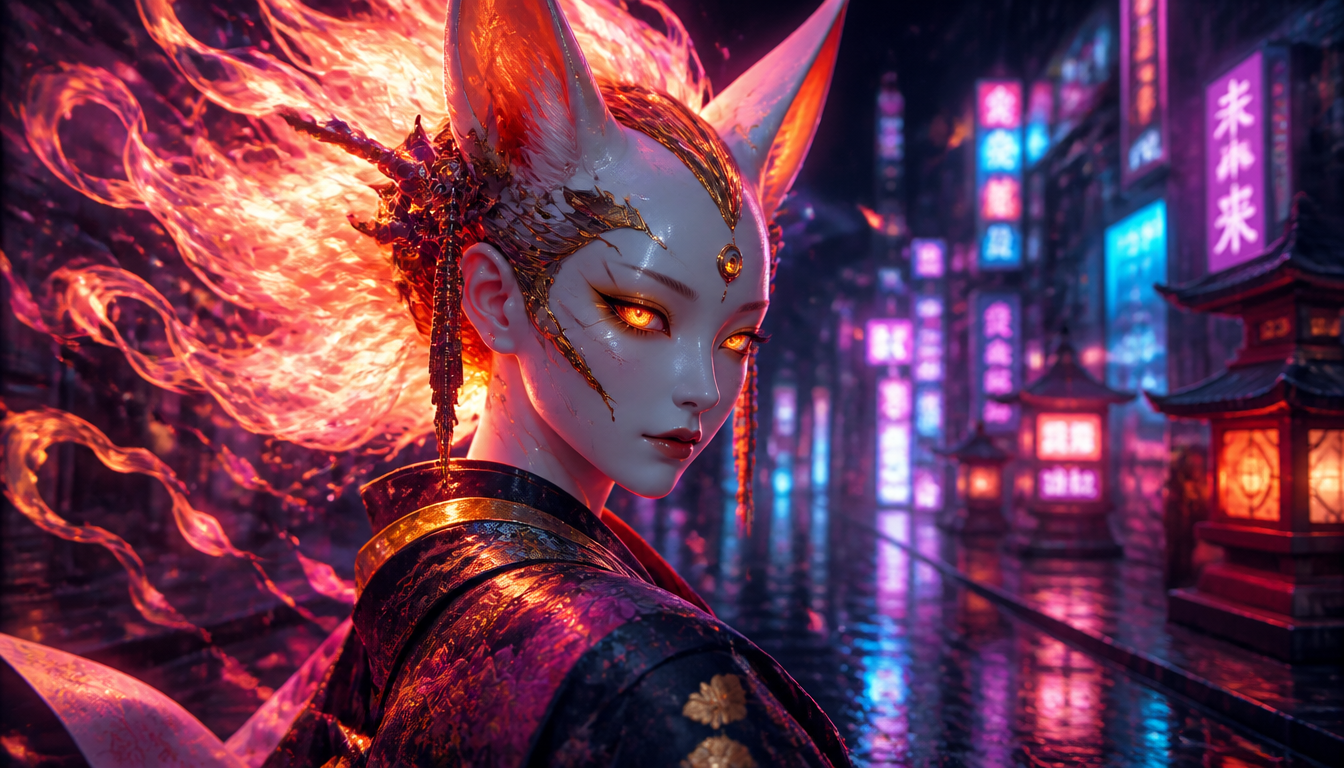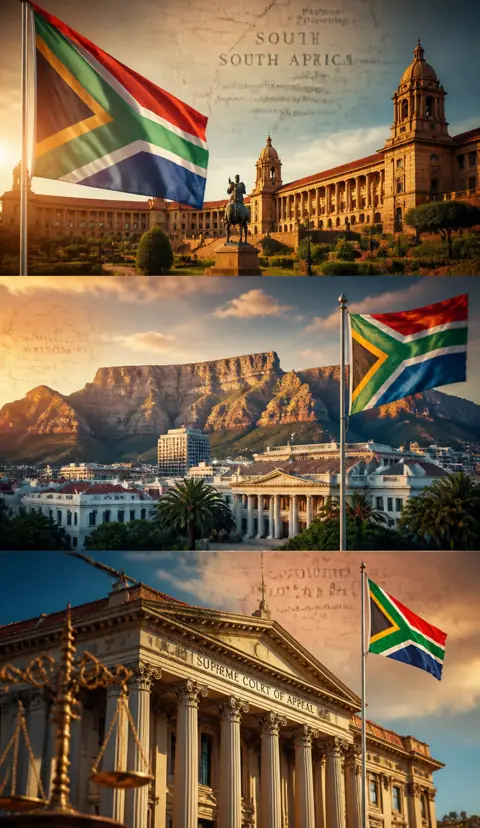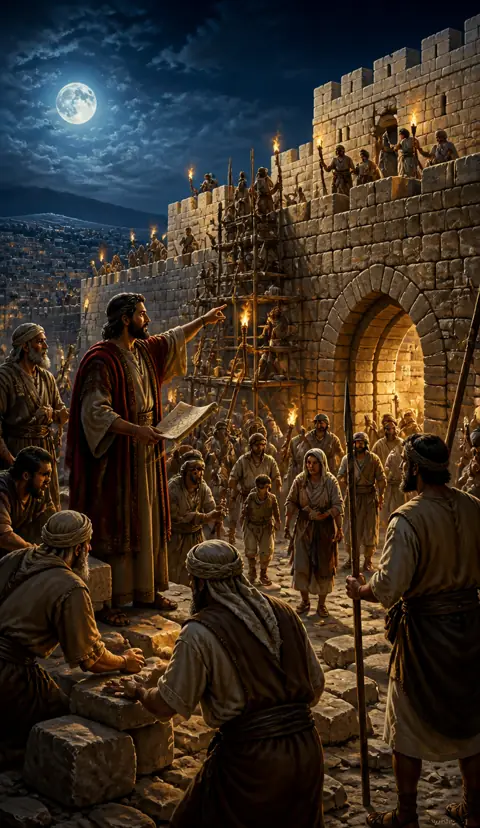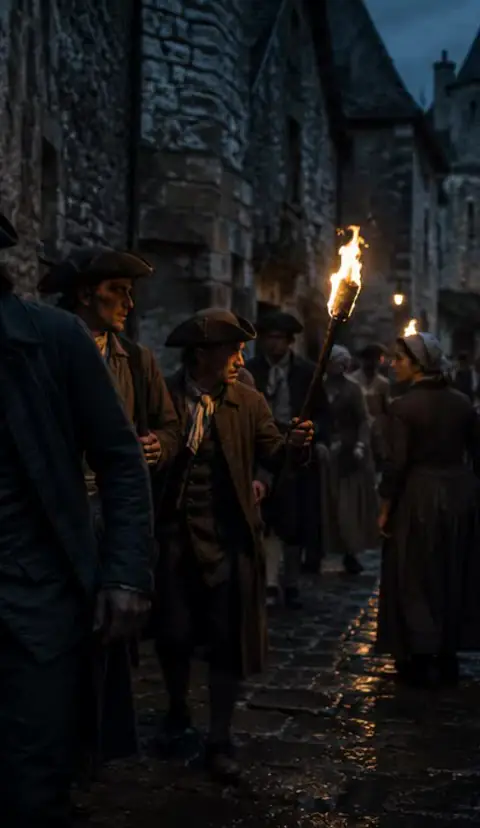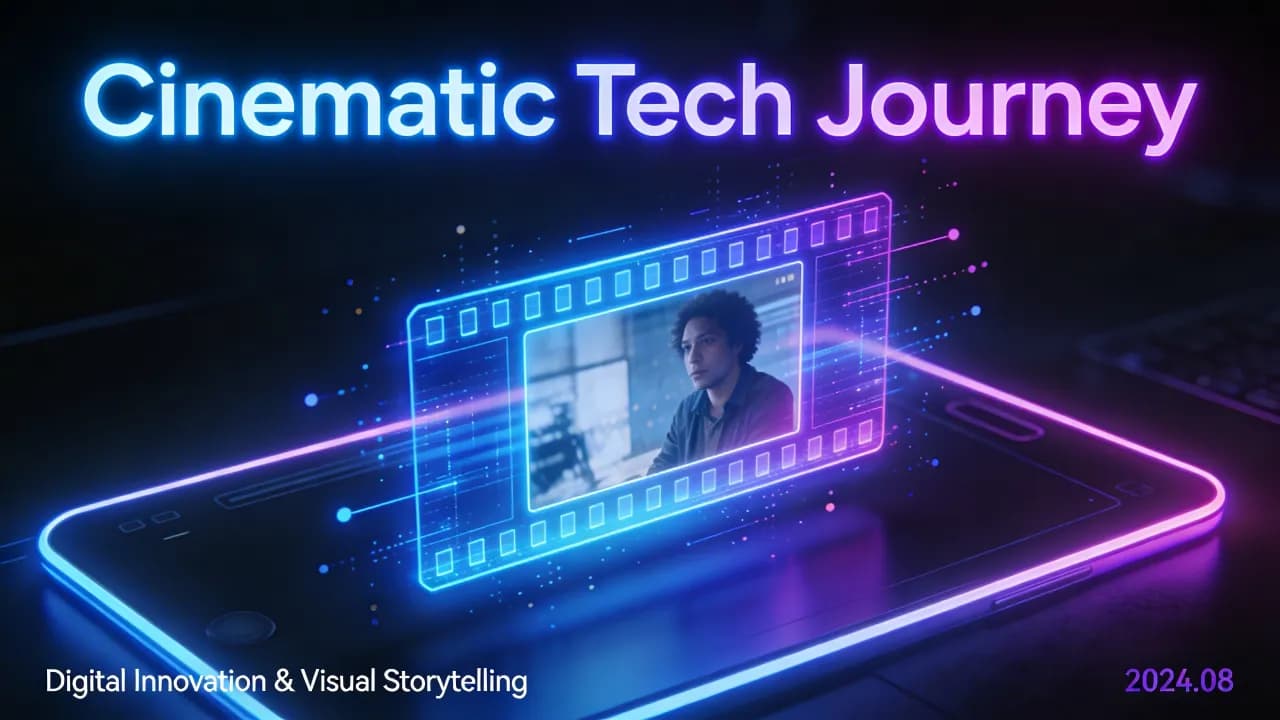
Text to video AI has transformed the way creators, marketers, and businesses produce video content. Instead of spending hours filming, editing, and rendering footage, you can now type a description and watch an AI model generate a polished video in minutes. In this guide, we cover everything you need to know about text-to-video AI in 2026, from the underlying technology to practical tips for getting the best results.
What Is Text to Video AI?
Text to video AI refers to artificial intelligence systems that convert written prompts into video clips. You provide a sentence or paragraph describing the scene you want, for example "A drone shot flying over a misty mountain lake at sunrise", and the model synthesizes a video that matches your description. These systems combine large language models, diffusion models, and temporal coherence techniques to produce smooth, realistic motion.
Unlike traditional video production, which requires cameras, actors, and post-production software, text-to-video AI eliminates most of the physical production pipeline. That does not mean human creativity is removed. Instead, the creative work shifts to prompt engineering, storyboarding, and post-editing rather than lighting rigs and boom microphones.
How Text to Video AI Works
At a high level, most text-to-video models follow a similar architecture. The process can be broken into four stages:
Text encoding: Your prompt is tokenized and converted into a high-dimensional embedding by a language model. This embedding captures the semantic meaning of your description.
Latent diffusion: The model starts with random noise in a compressed latent space and iteratively denoises it, guided by the text embedding, until a coherent sequence of frames emerges.
Temporal modeling: Specialized attention layers ensure consistency across frames so that objects move naturally and backgrounds remain stable over time.
Upscaling and decoding: The latent frames are decoded into pixel space and upscaled to the target resolution, often 1080p or 4K, using super-resolution networks.
Advances in 2025 and 2026 have dramatically improved temporal coherence. Early models suffered from flickering, morphing objects, and inconsistent lighting between frames. Modern architectures use 3D attention mechanisms and motion priors trained on millions of real-world video clips to maintain visual stability across several seconds of footage.
Top Text to Video AI Tools in 2026
The market has expanded rapidly. Here are the most capable platforms available right now, each with different strengths depending on your use case.
Vexub
Vexub combines text-to-video generation with a full editing suite, including auto-generated subtitles, AI voiceover, and branded templates. It is designed for creators who need to go from idea to published video in a single workflow. The platform supports prompt-based generation as well as script-to-video pipelines where you paste an article or blog post and receive a complete video with narration and visuals.
Runway Gen-4
Runway continues to push the frontier of generative video quality. Gen-4 offers high-fidelity outputs up to 4K resolution and supports both text-to-video and image-to-video workflows. It is popular among filmmakers and professional editors who integrate AI-generated clips into larger projects.
Pika 2.0
Pika focuses on ease of use and fast iteration. Its browser-based editor lets you generate short clips, adjust motion intensity, and extend scenes with follow-up prompts. Pika is a strong choice for social media creators who need high volumes of short-form content.
Create videos like this with AI
Script, voiceover, images and subtitles — automated in minutes.
Best Practices for Text to Video Prompts
The quality of your output depends heavily on how you write your prompts. Treat prompt engineering as a skill worth developing. Here are proven techniques for getting better results.
Be specific about the scene: Instead of writing "a city at night," write "a wide-angle shot of Tokyo's Shibuya crossing at night, neon signs reflecting on wet pavement, pedestrians with umbrellas." Specificity gives the model more information to work with.
Specify camera movement: Terms like "slow pan left," "dolly zoom," or "tracking shot following a runner" help the model understand the intended motion rather than defaulting to a static frame.
Include lighting and mood: Descriptors such as "golden hour lighting," "overcast and moody," or "high-contrast cinematic lighting" steer the visual tone of the output.
Mention style references: If you want a particular aesthetic, reference it directly: "in the style of a Wes Anderson film" or "anime-inspired watercolor look."
Keep prompts focused: Do not try to describe an entire narrative in a single prompt. Generate individual scenes and stitch them together in an editor for longer projects.
Common Use Cases
Text-to-video AI is not a novelty anymore. It is being used in production workflows across industries. Here are the most common applications we see in 2026.
Marketing and Advertising
Brands use text-to-video AI to rapidly prototype ad concepts, generate product demo visuals, and create localized versions of campaigns without reshooting. A single prompt can produce dozens of variations for A/B testing, something that would have required a full production team just two years ago. If you are getting started with AI video for marketing, our step-by-step tutorial on making AI videos walks through the full process.
Education and Training
Educators are generating explainer videos, animated diagrams, and scenario simulations from text descriptions. This is particularly valuable for subjects where real-world footage is difficult to obtain, such as historical events, scientific processes, or dangerous industrial procedures.
Social Media Content
Creators on YouTube, TikTok, and Instagram use text-to-video AI to produce eye-catching visuals for shorts and reels. The ability to generate unique footage on demand means creators can publish more frequently without relying on stock video. Check out our 50 AI video content ideas for inspiration on what to create.
Limitations to Be Aware Of
Text-to-video AI is powerful, but it is not magic. Understanding the current limitations helps you set realistic expectations and plan your workflow accordingly.
Duration limits: Most models generate clips between 4 and 30 seconds. Longer videos require stitching multiple clips together, which introduces continuity challenges.
Fine detail and text rendering: AI models still struggle with rendering legible text, precise hand movements, and small object details. If your video requires readable signs or on-screen text, add those in post-production.
Character consistency: Maintaining the same character appearance across multiple generated clips remains difficult, though seed-locking and reference-image features are improving this rapidly.
Ethical considerations: Generated video can be indistinguishable from real footage, raising concerns about misinformation. Always disclose AI-generated content and follow platform guidelines.
Getting Started Today
If you are new to text-to-video AI, the fastest way to get started is to pick a platform, write a few prompts, and iterate. Do not aim for perfection on your first attempt. Instead, focus on learning how different prompt structures affect the output. Over time, you will develop an intuition for what works.
For a hands-on walkthrough, read our beginner's guide to AI video editing, which covers the basics of working with AI-generated footage in an editing timeline.
Text-to-video AI is evolving at a pace that makes predictions difficult, but one thing is clear: the barrier to creating professional-quality video has never been lower. Whether you are a solo creator, a small business, or an enterprise marketing team, this technology is worth exploring now.