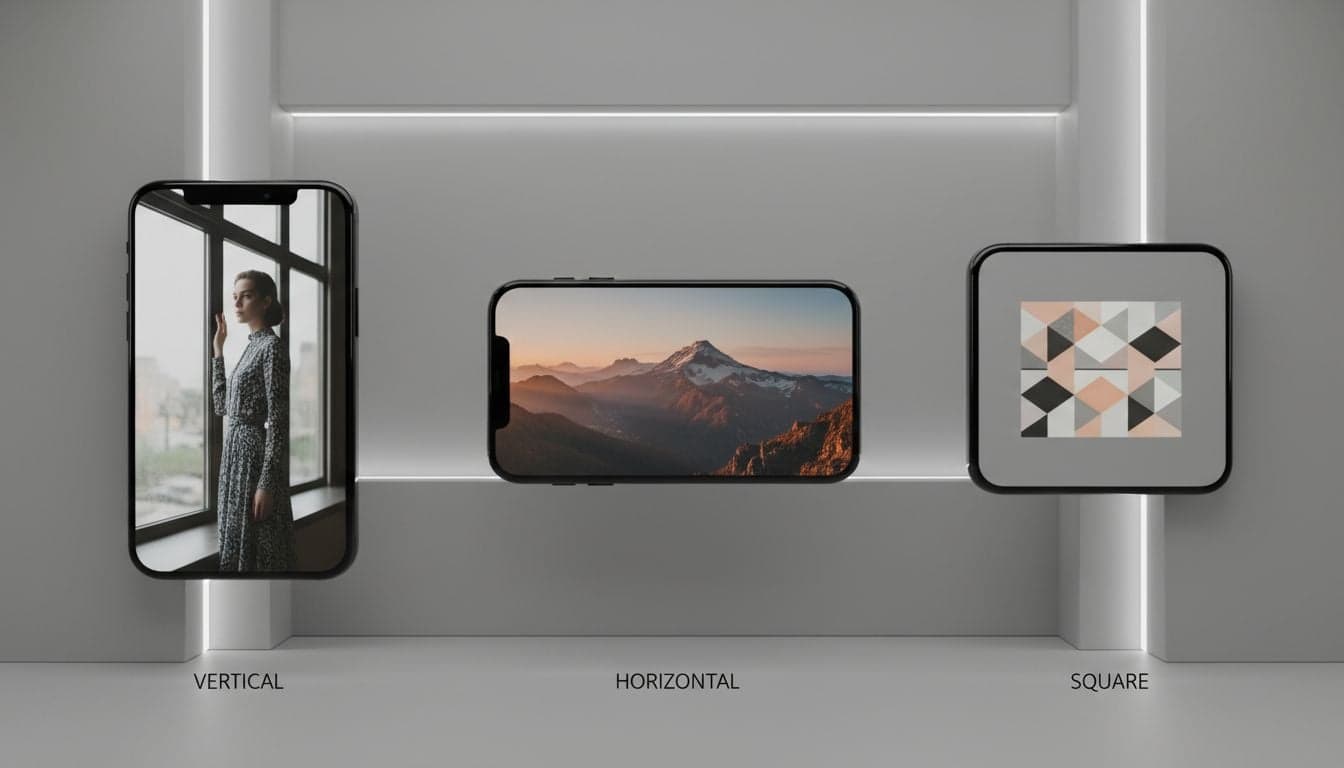
Selecting the right video format in Vexub determines whether your content succeeds or gets scrolled past. The platform offers three primary aspect ratios—9:16 (vertical), 16:9 (horizontal), and 1:1 (square)—each optimized for specific platforms and viewing contexts.
Understanding which format to use isn't just about technical specifications. It's about matching your content strategy to platform algorithms, viewer expectations, and engagement patterns. The wrong aspect ratio can result in cropped content, reduced reach, and lower completion rates.
This guide breaks down exactly when to use each Vexub video format, which platforms demand which ratios, and how to maximize engagement with strategic format selection.
Understanding Vexub's Three Core Formats
Vexub provides three distinct aspect ratio options, each designed for different content consumption patterns and platform requirements.
9:16 Vertical Format
The 9:16 format fills mobile screens completely when held vertically. This format dominates short-form video platforms and has become the default for mobile-first content creation.
Dimensions: 1080x1920 pixels
Primary platforms: TikTok, Instagram Reels, YouTube Shorts, Snapchat
Viewer behavior: Users rarely rotate their phones, making vertical the path of least resistance
Algorithm preference: Most short-form platforms prioritize vertical content in their feeds
16:9 Horizontal Format
The traditional widescreen format remains essential for long-form content and desktop viewing. YouTube maintains 16:9 as its primary format for videos longer than 60 seconds.
Dimensions: 1920x1080 pixels
Primary platforms: YouTube (long-form), LinkedIn, Facebook (desktop), Twitter/X
Viewer behavior: Desktop users and tablet viewers in landscape mode
Algorithm preference: YouTube's recommendation system favors this format for watch-time-focused content
1:1 Square Format
Square videos offer versatility across both mobile and desktop feeds. While less common than vertical or horizontal, the 1:1 format serves specific strategic purposes.
Dimensions: 1080x1080 pixels
Primary platforms: Instagram Feed, Facebook News Feed, LinkedIn Feed, Twitter/X
Viewer behavior: Feed scrollers on mobile who aren't committed to full-screen viewing
Algorithm preference: Performs well in feed-based algorithms where space efficiency matters
Platform-Specific Format Requirements
Each social platform has distinct format preferences that directly impact your content's visibility and performance. Here's how to match Vexub formats to platform requirements.
TikTok Format Strategy
TikTok exclusively prioritizes 9:16 vertical videos. The platform's algorithm actively deprioritizes horizontal content, often cropping it awkwardly or reducing its distribution.
Required format: 9:16 vertical
Maximum duration: 10 minutes (though 15-60 seconds performs best)
Safe zones: Keep critical text and visuals within the center 85% to avoid UI overlap
Vexub advantage: Automated subtitle positioning ensures text stays visible around TikTok's interface elements
TikTok's For You Page algorithm measures engagement within the first 3 seconds. Using 9:16 format in Vexub ensures your hook appears immediately without letterboxing or viewer friction. Learn more about TikTok growth strategies for maximizing reach.
Instagram Format Strategy
Instagram supports all three formats but applies them to different content types with varying algorithmic treatment.
Reels: 9:16 vertical (maximum 90 seconds)
Feed posts: 1:1 square or 4:5 vertical (Vexub's 9:16 crops well to 4:5)
IGTV: 9:16 vertical or 16:9 horizontal
Stories: 9:16 vertical (24-hour lifespan)
For maximum Instagram reach, create 9:16 content in Vexub and repurpose it across Reels, Stories, and Feed. The best video format for social media guide provides additional platform-specific optimization techniques.
YouTube Format Strategy
YouTube employs a dual format strategy based on content length and viewer intent.
YouTube Shorts: 9:16 vertical (maximum 60 seconds)
Regular uploads: 16:9 horizontal (any length)
Live streams: 16:9 horizontal
Community posts: 1:1 square thumbnails
YouTube Shorts compete directly with TikTok and Reels, requiring strict 9:16 formatting. For traditional YouTube content exceeding one minute, 16:9 remains mandatory for proper recommendation algorithm treatment.
Create videos like this with AI
Script, voiceover, images and subtitles — automated in minutes.
LinkedIn Format Strategy
LinkedIn's professional audience exhibits unique viewing patterns that favor both square and horizontal formats.
Native uploads: 1:1 square or 16:9 horizontal
Maximum duration: 10 minutes
Autoplay context: Desktop feed autoplay favors 16:9; mobile feed favors 1:1
Engagement pattern: Desktop users watch longer, mobile users scroll faster
Create 1:1 content in Vexub for LinkedIn when targeting mobile professionals during commute hours. Use 16:9 for detailed tutorials or thought leadership targeting desktop viewers during work hours.
Strategic Format Selection Framework
Choosing the right Vexub format requires analyzing three critical factors: platform destination, content type, and viewer context.
Platform Destination Decision Tree
Primary TikTok/Reels distribution: Always select 9:16 vertical
YouTube long-form (>60s): Always select 16:9 horizontal
Multi-platform distribution: Create 9:16 master, repurpose to other formats
LinkedIn professional content: Use 1:1 for mobile, 16:9 for desktop-focused
Twitter/X engagement: Use 16:9 for explanatory content, 1:1 for quick clips
Content Type Considerations
Different content formats perform better in specific aspect ratios based on visual composition and viewer expectations.
Talking head videos: 9:16 vertical creates intimacy and mobile-friendly framing
Product demonstrations: 16:9 horizontal shows more workspace and context
Text-heavy educational content: 9:16 vertical maximizes readable text area on mobile
Landscape footage or B-roll: 16:9 horizontal preserves cinematic quality
User-generated content style: 9:16 vertical matches authentic mobile recording patterns
When creating AI-generated educational content, match your format to how viewers expect to consume that information type.
Viewer Context Analysis
Understanding when and how your audience watches determines optimal format selection.
Mobile-only audiences: 9:16 vertical eliminates rotation friction
Desktop-heavy professionals: 16:9 horizontal utilizes full screen real estate
Mixed mobile/desktop traffic: 1:1 square works adequately on both
Commuters and casual scrollers: 9:16 vertical captures attention immediately
Research-mode viewers: 16:9 horizontal signals longer, more detailed content
Advanced Multi-Format Strategies
Sophisticated content creators use Vexub to generate multiple format versions from a single source, maximizing distribution efficiency.
The 9:16 Master Approach
Creating your primary content in 9:16 format allows easy adaptation to other ratios through strategic cropping and repositioning.
Design for 9:16: Keep critical elements centered for easy 1:1 crops
Export 9:16: Use on TikTok, Reels, Shorts, Stories
Center-crop to 1:1: Post to Instagram Feed, LinkedIn, Facebook Feed
Letterbox to 16:9: Upload to YouTube as traditional content (less ideal but functional)
This approach prioritizes mobile-first platforms where 80% of social video consumption occurs, while maintaining flexibility for secondary distributions.
The 16:9 Master Approach
For long-form content creators, starting with 16:9 in Vexub enables strategic vertical cuts for promotional clips.
Create full content in 16:9: Upload to YouTube as primary destination
Extract highlight clips: Identify 30-60 second high-value moments
Reframe to 9:16: Create vertical versions emphasizing key points
Distribute vertical clips: Use as promotional content on TikTok/Reels driving to full video
This strategy works particularly well for educational content, tutorials, and interview-based videos where you can extract multiple vertical clips from one horizontal source.
Format-Specific Content Variations
The most sophisticated approach creates unique content optimized for each format rather than simply reformatting the same video.
9:16 quick-hit version: 30-second hook focusing on one key point
16:9 deep-dive version: 5-10 minute comprehensive exploration
1:1 feed-optimized version: 60-second middle ground with captions for silent viewing
This approach maximizes each platform's unique algorithmic preferences and viewer expectations, though it requires more production effort.
Vexub Format Selection Best Practices
Implementing these technical and strategic practices ensures your format choices translate to measurable engagement improvements.
Technical Optimization Guidelines
Resolution consistency: Always use Vexub's default 1080p output for all formats
Safe zone adherence: Keep text and critical visuals within the center 80% of frame
Subtitle positioning: Vexub's automated subtitles adjust for format—verify placement in preview
Thumbnail strategy: Design thumbnails specifically for each format's dimensions
Export verification: Preview videos on actual devices before publishing
Testing and Iteration Framework
Baseline establishment: Post same content in different formats to identical audiences
Metric tracking: Monitor completion rate, engagement rate, and share rate by format
Platform comparison: Compare 9:16 performance on TikTok vs Instagram vs YouTube Shorts
Audience segmentation: Test format preferences across demographic segments
Iteration cycles: Adjust format strategy monthly based on performance data
Common Format Selection Mistakes
Using 16:9 for TikTok: Results in letterboxing and algorithm deprioritization
Forcing square content: 1:1 performs poorly on platforms that prefer vertical
Ignoring safe zones: Platform UI elements obscure critical text or visuals
One-size-fits-all approach: Each platform's algorithm treats formats differently
Neglecting aspect ratio in planning: Shoot content without considering final format constraints
Format Selection Quick Reference
Use this decision matrix when selecting your Vexub video format for any project.
The complete Vexub tutorial demonstrates how to implement format selection within Vexub's interface, while the social media format guide provides additional platform-specific recommendations.
Adapting to Platform Evolution
Video format preferences shift as platforms compete for user attention and viewing time. Staying current with format trends prevents content from appearing outdated or poorly optimized.
TikTok and Instagram increasingly experiment with horizontal video in feeds, but vertical remains dominant for algorithmic distribution. YouTube continues expanding Shorts while maintaining 16:9 supremacy for long-form content. LinkedIn shows growing preference for native video over external links, with 1:1 performing consistently well.
Monitor your analytics monthly to identify format performance shifts. When engagement drops on previously successful formats, test alternatives before assuming content quality issues. Vexub's flexibility allows rapid format experimentation without requiring new content production—simply regenerate existing projects in different aspect ratios.
The correct Vexub video format amplifies your content's reach by aligning with platform algorithms, viewer expectations, and consumption contexts. Master format selection to transform identical content into platform-optimized variants that maximize engagement across your entire distribution strategy.