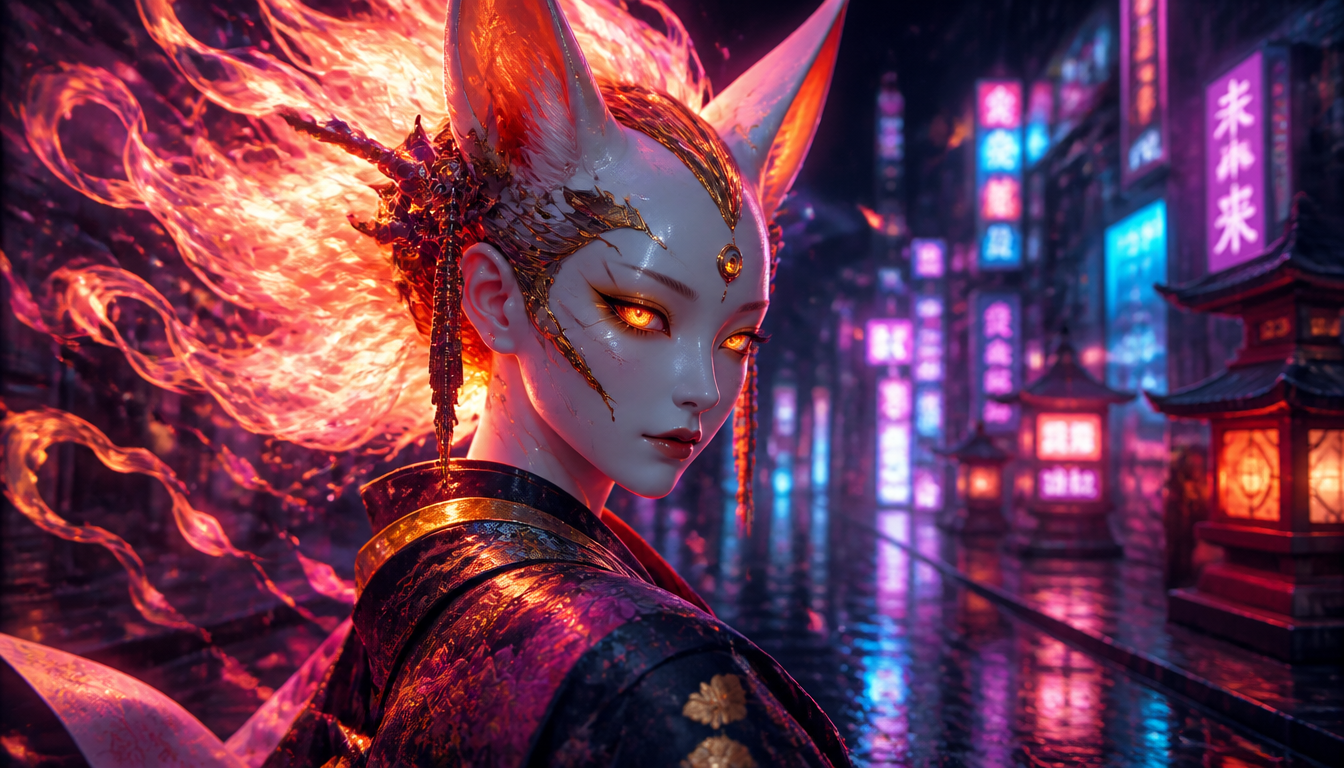
AI video generation has come a long way, but the quality of your output still depends heavily on the quality of your input. Whether you are using an AI video tool like Vexub or experimenting with other platforms, the prompts you write determine everything — from visual composition to pacing, mood, and storytelling coherence.
The gap between a mediocre AI video and a jaw-dropping one often comes down to a single well-crafted sentence. In this guide, we break down 15 proven tips for writing prompts that consistently produce better AI video results.
Why Prompt Quality Matters for AI Video
AI video models interpret your text prompt as a set of instructions. Vague prompts lead to generic, unpredictable output. Specific prompts give the model enough context to generate exactly what you envision. Think of it like briefing a cinematographer — the more detail you provide about the shot, lighting, and mood, the closer the final product matches your creative vision.
Tip 1: Start With the Subject and Action
Always lead with the main subject and what it is doing. Instead of writing "a beautiful scene in nature", write "a golden retriever running through a sunlit meadow, ears flapping". The model needs a clear focal point before it can build a scene around it.
Tip 2: Specify Camera Angle and Movement
Camera language translates directly into AI video output. Use terms like "close-up", "wide shot", "aerial drone shot", "tracking shot", or "slow dolly in". These terms help the model understand spatial relationships and perspective.
Tip 3: Define the Lighting
Lighting sets the entire mood of your video. Specify it explicitly. Examples include: "soft golden hour lighting", "harsh overhead fluorescent", "moody backlit silhouette", or "neon-lit cyberpunk atmosphere". Without lighting direction, the AI defaults to flat, even lighting that feels lifeless.
Tip 4: Include Color Palette and Mood
Color communicates emotion before a single word is spoken. Mention the dominant colors and the mood you want. For example: "warm earth tones, cozy and nostalgic" or "desaturated blues and grays, melancholic urban atmosphere". This guides the model toward a cohesive visual identity.
Create videos like this with AI
Script, voiceover, images and subtitles — automated in minutes.
Tip 5: Use Temporal Descriptions for Motion
AI video is not a still image — it unfolds over time. Describe motion with temporal cues: "starts with a wide shot, then slowly zooms into the character's face" or "rain begins lightly, then builds into a downpour". Sequential descriptions help the model create more dynamic clips.
Tip 6: Reference a Visual Style
Naming a visual style gives the AI a shortcut to an entire aesthetic. Try references like "Wes Anderson symmetry", "documentary-style handheld", "35mm film grain", or "Studio Ghibli watercolor animation". Style references act as a multiplier on prompt specificity.
Tip 7: Keep Prompts Under 75 Words
Longer is not always better. Most AI video models perform best with prompts between 30 and 75 words. Beyond that, the model may struggle to prioritize which details matter most. Be concise but specific — every word should earn its place.
Tip 8: Separate Scene Descriptions for Multi-Scene Videos
If your video has multiple scenes, break them into separate prompts rather than cramming everything into one. Each scene should have its own subject, setting, and camera direction. Tools like Vexub's clip editor let you chain scenes together seamlessly after generation.
Tip 9: Avoid Negatives — Say What You Want
Instead of writing "no blurriness, no artifacts, not dark", write "crystal clear, high resolution, brightly lit". AI models respond much better to positive descriptions. Negative prompts can sometimes confuse the model or produce the exact thing you were trying to avoid.
Tip 10: Add Environmental Details
Context makes scenes believable. Add details about the environment: weather, time of day, surrounding objects, background activity. "A barista preparing latte art in a busy downtown cafe, morning light streaming through large windows, steam rising from espresso machine" is far richer than "someone making coffee".
Tip 11: Specify Duration and Pacing
Some platforms let you control clip length. Even when they do not, pacing language helps. Use terms like "slow motion", "time-lapse", "real-time", or "quick cuts". This tells the model how fast or slow the action should unfold.
Tip 12: Use Analogies and Comparisons
When standard descriptions fall short, comparisons fill the gap. "The texture of aged leather", "movement like flowing mercury", or "lighting reminiscent of a Rembrandt painting". Analogies help the AI connect abstract concepts to concrete visual output.
Tip 13: Iterate and Refine
Your first prompt is a draft, not a final product. Generate a test video, evaluate the result, then adjust. Did the lighting feel off? Add more specificity. Was the subject too centered? Mention composition. Prompt writing is an iterative process — each round teaches you what the model responds to.
Tip 14: Match Prompt Complexity to Model Capability
Not every AI video model handles the same level of complexity. If a model struggles with multi-character scenes, simplify to single subjects. If it excels at landscapes, lean into environmental prompts. Understanding your tool's strengths lets you write prompts that play to them.
Tip 15: Build a Prompt Library
Save your best-performing prompts in a personal library. Over time, you will build a collection of reliable templates you can modify for new projects. Categorize them by style, mood, subject type, and camera work for quick access.
Prompt Template: A Quick-Start Formula
If you are starting from scratch, use this formula as a baseline:
Example: "A young woman walking through a rainy Tokyo street at night, tracking shot following from behind, neon reflections on wet pavement, cinematic color grading, contemplative and solitary mood."
Final Thoughts
Writing great prompts is a skill, and like any skill, it improves with practice. The 15 tips above give you a structured framework to work from, whether you are creating TikTok content, brand videos, or artistic shorts. Start with clear subjects, add cinematic details, and iterate relentlessly.
The creators who master prompt writing today will have an enormous advantage as AI video tools become the standard production workflow. Your words are now your camera — learn to use them well.