The difference between a video that holds attention and one that gets scrolled past often comes down to the background music. The Vexub music library gives you instant access to hundreds of royalty-free tracks specifically curated for video content, but choosing the right one requires understanding how music shapes viewer perception and engagement.
This guide breaks down the Vexub music library by mood, genre, and use case, showing you exactly which tracks work best for different video types and how to make selections that amplify your message rather than distract from it.
Whether you're creating educational content, horror shorts, motivational videos, or viral TikToks, the right background track transforms good footage into compelling content that keeps viewers watching until the end.
Understanding the Vexub Music Library Structure
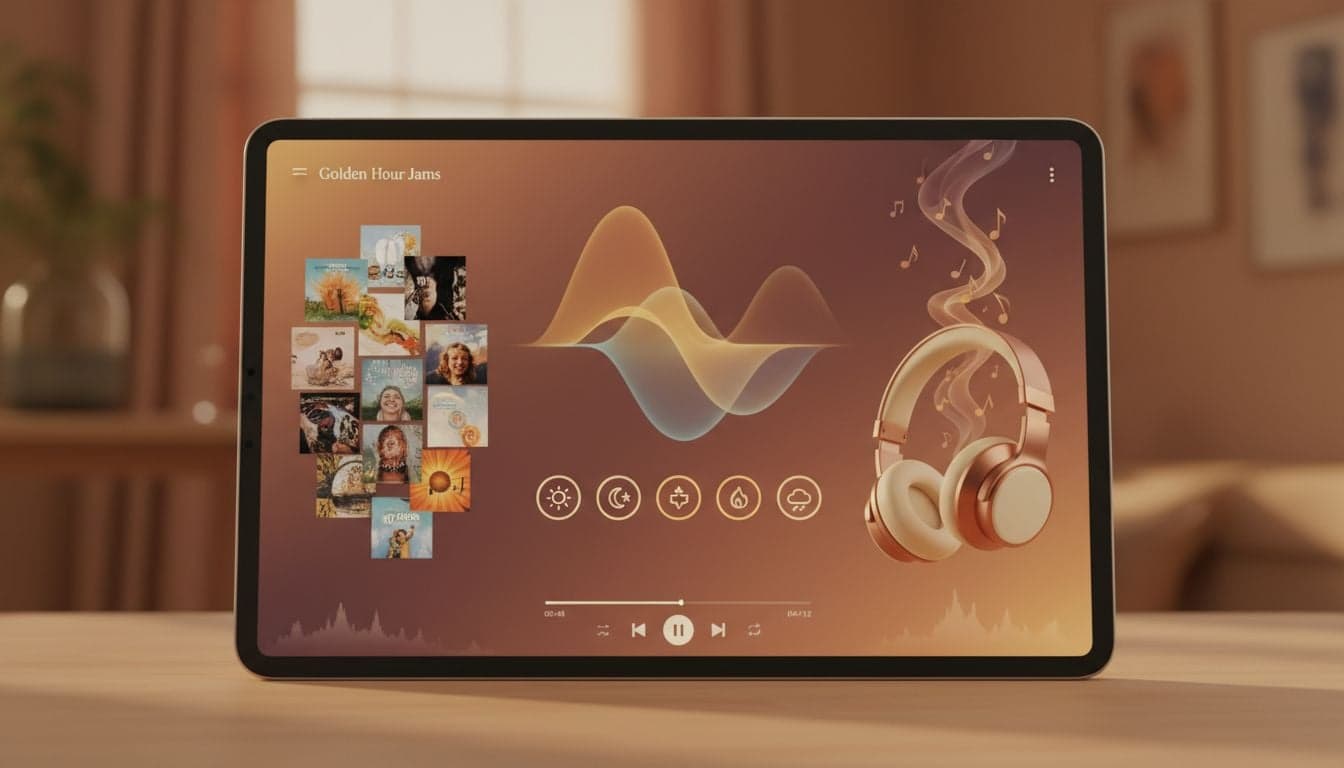
The Vexub music library organizes tracks into clear categories that match common video moods and genres. Each track has been selected for its loopability, copyright clearance, and suitability for short-form and long-form video content.
The library includes over 400 tracks spanning eight primary categories:
Cinematic: Epic orchestral pieces and dramatic scores for storytelling content
Upbeat: Energetic tracks with positive vibes for tutorials and lifestyle videos
Ambient: Atmospheric backgrounds that don't compete with narration
Electronic: Modern beats and synth-driven tracks for tech and gaming content
Dark: Tension-building music for horror, mystery, and suspense videos
Corporate: Professional background music for business and educational content
Emotional: Piano-driven and strings-based tracks for heartfelt narratives
Comedy: Playful and quirky tracks for humorous content
Each category contains 30-80 tracks with varying intensity levels, allowing you to match not just the general mood but the specific energy your video requires.
Matching Music to Video Mood and Genre
The most common mistake creators make is choosing music they personally enjoy rather than music that serves their video's purpose. Your background track should enhance the viewing experience without overwhelming your message.
Horror and Mystery Content
For faceless horror videos and paranormal content, the Dark category provides tension-building tracks with gradual buildups, dissonant strings, and subtle sound design elements that create unease without startling viewers away.
Key characteristics of effective horror background music:
Low-frequency drones that create subtle tension
Minimal melodic elements that allow narration to lead
Strategic silence gaps that amplify sudden moments
Gradual intensity changes rather than constant high tension
Top picks from the library include 'Shadows Creeping,' 'Abandoned Echo,' and 'Whisper in the Dark' for sustained atmospheric dread, and 'Sudden Descent' or 'The Watching' for more intense sequences.
Educational and Tutorial Videos
Educational content benefits from Ambient or Corporate category tracks that stay in the background while maintaining viewer energy. The goal is to prevent dead air without competing with your explanations.
Look for tracks with:
Consistent rhythm that doesn't change dramatically
Mid-range frequencies that don't clash with voice narration
Simple melodic patterns that loop seamlessly
60-100 BPM tempo range for comfortable pacing
'Focused Flow,' 'Learning Curve,' and 'Productive Hours' work exceptionally well for tutorial content because they maintain energy without demanding attention.
Motivational and Inspirational Content
Motivational videos require music that builds emotional investment. The Emotional and Cinematic categories offer tracks with rising progressions, string arrangements, and piano elements that create inspiration without melodrama.
Effective motivational music features:
Clear progression from quiet intro to fuller arrangement
Major key tonality that feels uplifting
Layered instrumentation that adds depth over time
Natural crescendo points that align with message peaks
'Rising Dawn,' 'Breakthrough Moment,' and 'Journey Upward' provide the emotional lift that turns simple advice into compelling calls to action.
Create videos like this with AI
Script, voiceover, images and subtitles — automated in minutes.
Fast-Paced Social Media Content
TikTok, Instagram Reels, and YouTube Shorts demand music with immediate energy and recognizable hooks. The Upbeat and Electronic categories contain tracks with strong opening beats and memorable melodic elements that grab attention in the first second.
For viral-oriented content, prioritize:
Strong beat on the downbeat for immediate rhythm recognition
Identifiable melodic hook within the first 3 seconds
120-140 BPM range that matches platform pacing expectations
Consistent energy throughout rather than gradual builds
'Electric Pulse,' 'Pop Energy,' and 'Digital Rush' have the immediate impact that prevents scroll-past behavior on social platforms.
Storytelling and Narrative Content
Longer narrative videos benefit from Cinematic tracks that support story arcs without overwhelming the narrative. These tracks often feature dynamic range, allowing them to recede during dialogue-heavy moments and swell during visual sequences.
Storytelling music should have:
Multiple sections that provide variation across longer videos
Natural quiet moments for dialogue emphasis
Thematic consistency that doesn't distract with genre shifts
Emotional range that matches narrative tone changes
'Epic Tale,' 'Chronicles,' and 'Unfolding Story' provide the cinematic backing that elevates narrative content from simple recitation to immersive experience.
Technical Considerations for Music Selection
Beyond mood matching, technical factors determine whether your chosen track actually works with your video format and distribution platform.
Audio Levels and Mixing
Background music should sit 12-15dB below your primary audio (narration or dialogue). The Vexub platform applies automatic ducking when you use the built-in voiceover features, but understanding these levels helps when you need to adjust manually.
Tracks in the Ambient and Corporate categories are pre-mastered at lower levels, making them easier to balance with voice content. Electronic and Cinematic tracks often have higher mastering levels and may require more aggressive volume reduction.
If your narration is difficult to understand over the music, the track is either too loud or too melodically complex for that use case. You can change the music to a simpler arrangement from the Ambient category or reduce the track volume in the Vexub editor.
Loop Points and Video Length
Most tracks in the Vexub music library range from 90 seconds to 3 minutes. For videos longer than the track duration, Vexub automatically loops the music with crossfade points that prevent jarring transitions.
However, some tracks loop more naturally than others:
Ambient and Electronic tracks typically have seamless loop points
Cinematic tracks may have distinct endings that create noticeable loops
Comedy and Upbeat tracks often feature hook-based structures that loop obviously
For videos over 2 minutes, preview the looped version before finalizing your edit. If the loop point is distracting, consider choosing a longer track from the same category or a track specifically designed for extended looping.
Platform-Specific Considerations
Different platforms have different audio level expectations and viewer tolerances for background music:
TikTok: Viewers expect prominent music; keep levels closer to -8dB below narration
YouTube: More tolerance for varied mixing; standard -12dB to -15dB works well
Instagram: Autoplay with sound off means music serves rewatchers; favor recognizable tracks
LinkedIn: Conservative platform; keep music subtle and professional from Corporate category
The platform you're targeting should influence both your track selection and your mixing approach.
Advanced Music Selection Strategies
Once you understand basic mood matching, advanced techniques let you use music strategically to guide viewer attention and emotion.
Energy Matching and Pacing
Your background music's energy should mirror your video's pacing. Fast cuts and quick scene transitions work with higher BPM tracks, while longer shots and slower pacing need more spacious music.
Count your average shot length:
Videos with 1-2 second cuts: 120-140 BPM tracks (Electronic, Upbeat)
Videos with 3-5 second cuts: 90-110 BPM tracks (Cinematic, Emotional)
Videos with 6+ second cuts: 60-80 BPM tracks (Ambient, Dark)
Mismatched pacing creates cognitive dissonance that makes viewers uncomfortable without understanding why. Your video feels 'off' even when the content is strong.
Contrast and Emphasis
Strategic music changes within a single video create emphasis points that guide viewer attention. The Vexub editor allows you to split your video into sections and apply different tracks to different segments.
Use contrast for:
Problem/solution structures: Dark or Ambient for problem setup, Upbeat for solution reveal
Before/after transformations: Emotional for before state, Cinematic for after state
Multi-topic videos: Different Electronic tracks for each distinct topic
Attention reset: Brief silence or dramatic music change at 60-second mark
These transitions work best when the tracks share similar instrumentation or tonal qualities. Jumping from orchestral to electronic jarring unless that contrast is your intended effect.
Cultural and Demographic Considerations
Different age groups and cultural backgrounds have varying associations with musical styles. Electronic music coded as 'modern' and 'tech-forward' may alienate older audiences, while orchestral music might feel dated to Gen Z viewers.
Consider your target demographic:
18-25: Electronic, Upbeat categories with modern production
25-40: Versatile; Cinematic and Emotional work across content types
40-60: Corporate and Ambient feel professional and trustworthy
60+: Simple Emotional or Ambient tracks without complex production
These are generalizations, but they provide starting points. Analyze successful channels in your niche to identify which musical styles resonate with your specific audience.
Royalty-Free Licensing and Content ID
All tracks in the Vexub music library are fully licensed for use in videos created through the platform. This means you can monetize your content on YouTube, TikTok, Instagram, and other platforms without copyright strikes or revenue sharing.
The licensing covers:
Commercial use including advertising and sponsored content
Social media distribution across all major platforms
Unlimited views and indefinite hosting
Derivative works and edited versions of the original track
However, the license is tied to Vexub-created content. You cannot extract the audio files and use them in non-Vexub projects or redistribute them separately from your video content. The music enhances videos created through Vexub's AI video generation tools, not standalone audio use.
If you receive a Content ID claim on YouTube despite using Vexub library music, this typically indicates a false positive from YouTube's automated system. The claim can be disputed through YouTube's standard process, and Vexub provides licensing documentation through the support system if needed.
Practical Workflow for Music Selection
Efficient music selection follows a systematic process that prevents the common trap of auditioning dozens of tracks without making a decision.
Identify your video's primary emotion: What should viewers feel?
Select the corresponding category: Map emotion to Vexub category
Filter by energy level: Match your video's pacing and cut speed
Audition three tracks maximum: Preview your top choices with video
Test at target volume: Set music 12-15dB below narration and evaluate
Verify loop points: Check that extended videos loop smoothly
This process takes 3-5 minutes instead of the 20-30 minutes many creators waste on music selection. The limited audition rule prevents decision paralysis and forces commitment based on clear criteria rather than endless comparison.
Trust your first instinct within the filtered category. If a track feels right immediately, it probably is. Extended deliberation rarely leads to significantly better choices.
Common Music Selection Mistakes to Avoid
Understanding what doesn't work accelerates your learning curve and prevents repeated errors.
Choosing music you like personally: Your taste is irrelevant; only viewer response matters
Using trending songs from other platforms: Copyright issues and platform expectation mismatches
Keeping music too loud: Overwhelmed narration makes viewers leave immediately
Switching genres mid-video: Creates jarring experience unless intentional contrast
Using complex melodies under detailed explanations: Competing audio streams reduce comprehension
Selecting music before creating video: Music should support existing content, not dictate it
The most persistent mistake is choosing music that works in isolation but fails when combined with your specific video content and narration style. Always audition tracks with your actual video, not as standalone audio.
Getting Started with Your First Music Selection
Open a project in Vexub and navigate to the music selection interface. Start with the Ambient category regardless of your video topic—these tracks provide the safest foundation while you develop your ear for music-video pairing.
Create three short test videos with the same content but different music from different categories. Share them with a small audience or test group and ask which version held their attention best. Their responses will calibrate your selection instincts faster than any theoretical knowledge.
As you create more videos, you'll develop intuitive understanding of which tracks work for your specific content style, voice tone, and audience preferences. The Vexub music library becomes a tool you navigate confidently rather than a overwhelming list of options.
Start creating videos with professional background music that enhances rather than distracts. The right track is waiting in the library—now you know exactly how to find it.